
Reviewed · BUKHARA TOURS
All You Need To Know About Bukhara. A Walk In The Town
Bukhara rewards slow looking, and this short walking tour is built for that. You start in the historic core, get clear orientation fast, then move seat by seat through the city’s most photo-worthy architecture with a guide who keeps the story human.
I really like the way this tour mixes monuments with street-level details, especially the Q&A moments that help you understand what you are seeing before you move on. I also like that the focus stays on history and architecture, not just dates, so the buildings make sense as you walk.
One thing to consider: this is not a one-on-one private tour. You join a small group of around 10 to 15 people, and entrance tickets are not included, so a few costs may show up if you want to go inside.
Key highlights you will feel on the ground
- Hamza’s storytelling ties buildings to Silk Road life, rulers, and everyday culture
- UNESCO historic center gives you the why behind the UNESCO label, not just a stamp
- Trading-domes shopping stops where you can connect bazaars to local crafts like carpets and textiles
- Architecture heavy route built around the Ark Fortress area, Poi Kalan, and major madrasas
- Short guided stops and photo breaks keep momentum for a 4.5-hour schedule
- Meet near the donkey statue so you can find the group without extra guesswork
Why this Bukhara old town walk makes sense in 4.5 hours
Bukhara can feel like you’re walking through a living museum, which is exactly why a guided route helps. You get the map in your head, then you can explore on your own after, without wondering why each gate and dome is placed where it is.
I like the pacing here. It’s long enough to cover the big landmarks and major bazaar areas, but short enough that you do not feel like you were dragged all day. And because the tour is set up around the historic center, you spend more time looking at the real stuff and less time on logistics.
You also benefit from the small-group format. The price is lower because the guide is working with other people, typically 10 to 15. That size is usually just right for questions, quick clarifications, and not getting steamrolled by a crowd.
More Walking Tours in Bukhara
- Bukhara: Walking Tour with a Small Group
★ 4.9 · 260 reviews - Bukhara Walking Tour
★ 4.7 · 25 reviews - Bukhara Historical City Highlights Guided Walking Tour
★ 4.5 · 16 reviews
Meet-up at the donkey statue, then you start moving with context
The tour starts near the donkey statue, at Nadir Divan Begi Madrasah. That first step matters more than it sounds. In Bukhara, landmarks are close, but the city’s layout is not intuitive until someone explains it.
This is the point where Hamza’s style shows. The route is built to help you see connections. You learn how the city developed over centuries and why rulers left their marks in stone, tile, and brick. Reviews repeatedly mention Hamza’s English and his ability to explain things in a way that stays clear even when it rains, which matters because Bukhara weather can change quickly.
Practical tip: start your day with good walking shoes and carry water. The tour duration is 4.5 hours, and you will be outside enough to feel it if you are underprepared.
Lyabi Khauz: the city’s social heart, not just a pretty square
One of the first stops is Lyabi Khauz. This area is a classic Bukhara gathering point, centered around a water basin and surrounded by buildings that look like they were made for both daily life and ceremonies.
When a guide explains the street-level logic, places like this click. You stop seeing it as a random courtyard and start seeing it as a civic stage, where people meet, talk, and trade stories. Even if you move on quickly, your brain grabs the layout, and you will recognize Lyabi Khauz again later during your own wandering.
This is also a nice early moment to ask practical questions. If you care about where to shop for textiles or how locals do daily routines, this kind of stop is perfect for that.
Toqi Sarrafon Bazaar: textiles and trade in one walking stop
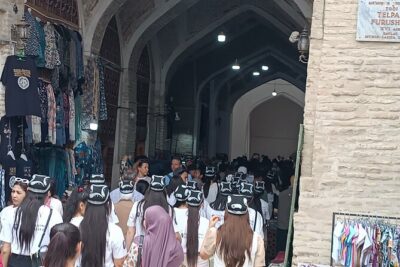
Next up is Toqi Sarrafon Bazaar, a trading dome area where commerce is part of the architecture. Bukhara is famous for crafts, and this is where you get a more grounded version of that fame.
Here’s what you should watch for. The domed trading spaces shape how sellers display goods. The result is a shopping experience that feels built-in, not accidental. You also get the chance to look for items like carpets, Uzbek spices, and hand-woven textiles, which shows up again and again in descriptions of Bukhara’s old town.
Even if shopping is not your main goal, this stop is worth it for orientation. Once you understand where trade clusters around, you can navigate bazaars later without feeling lost or overwhelmed.
More of Bukhara worth pencilling in
- Bukhara: Private Guided Walking Tour with Hotel Pickup
★ 5.0 · 11 reviews - Bukhara: Walking Tour with a Small Group
★ 5.0 · 10 reviews - A Group Walking Tour Of Old Town
★ 5.0 · 8 reviews - Bukhara Walking Tour
★ 5.0 · 4 reviews
Magok-i-Attari Mosque: a quick exterior view with a bigger story
You then visit Magok-i-Attari Mosque for a guided look. Stops like this are short, but they are not filler. The point is to connect architecture to cultural function: religious life, public gathering, and the way cities anchor beliefs in visible, walkable spots.
With Hamza as your guide, you are not just looking at a facade. You are learning how different buildings relate to each other across time. Reviews highlight that Hamza often gives context before you even arrive at the monument, which makes the stop feel useful instead of rushed.
A consideration: some madrasas and interiors may have access limits depending on the site and current rules. Plan on focusing on exterior views, courtyards, and street-level understanding rather than expecting to roam everywhere.
The Poi Kalan route: where the city’s scale hits you
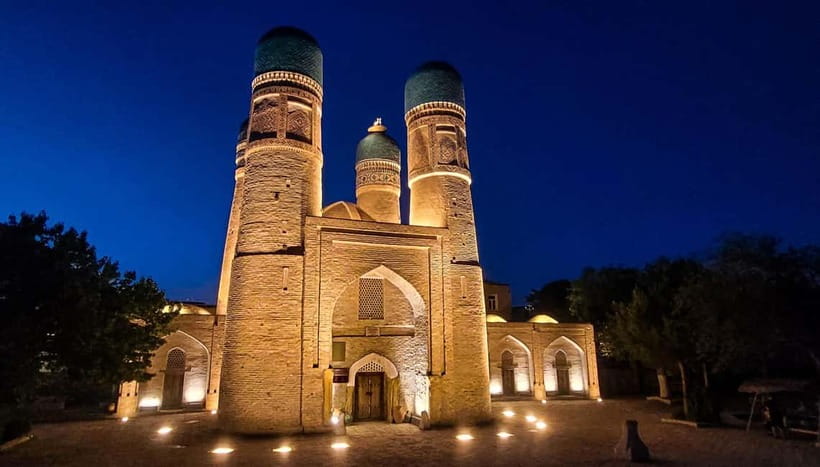
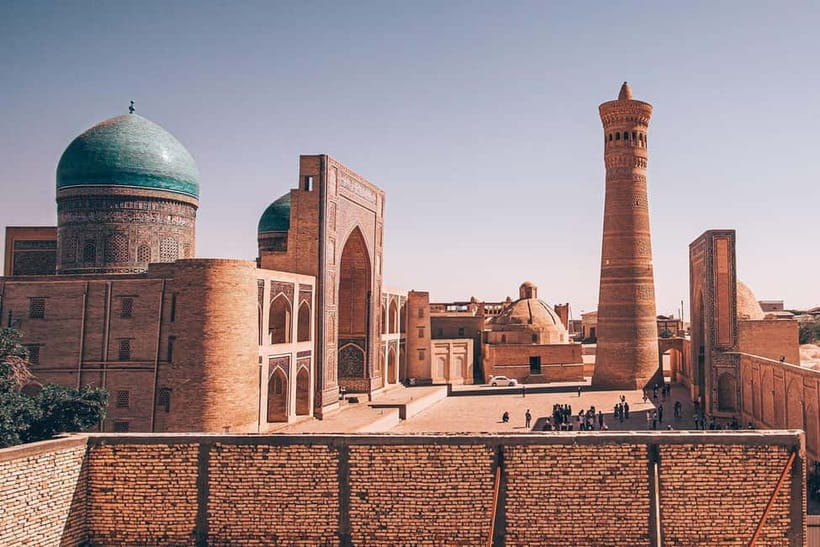
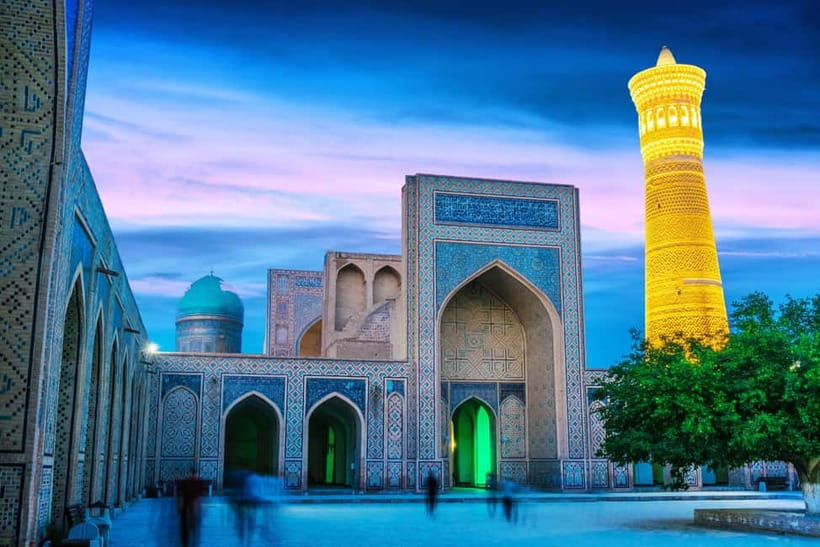
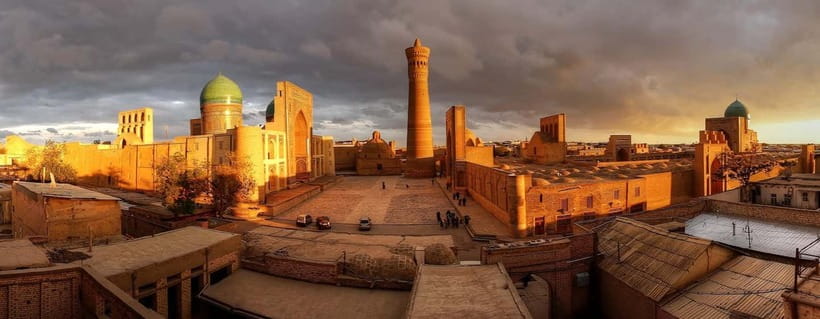
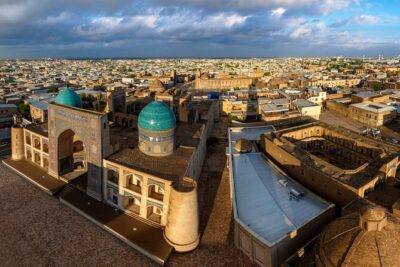
The heart of the tour is the Poi Kalan area, where Bukhara’s visual confidence shows up. You go to Poi Kalan Mosque and see the Kalan Minaret ensemble (often referenced as the Great Minaret of Kalon). This is one of those places where your photos will not fully explain what your eyes feel.
Why it works on a walking tour: you approach it from smaller lanes and bazaar-adjacent streets. That matters because the minaret and the surrounding mosque complex then feel like a destination, not just a background landmark.
Hamza’s explanations help you connect the architecture to history and power, which is exactly what you want here. This is not a stop where you only need a quick glance. Even a short visit becomes memorable because it is grounded in meaning.
Mir-I-Arab Madrasa and Ulugbek Madrasa: learning how institutions were designed
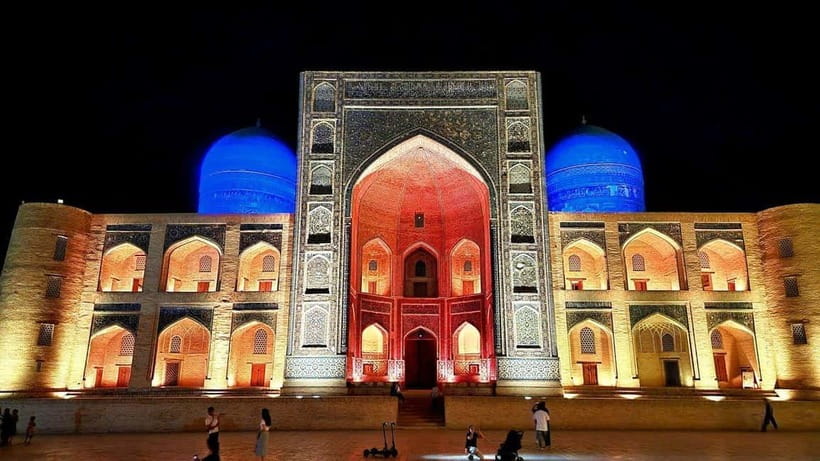
The itinerary includes Ulugʻbek madrasa and Mir-I-Arab Madrasa. Madrasas are not just schools in your head, they are buildings engineered for religious learning, study rhythms, and public respect.
One review detail I found especially useful: Hamza explains that madrasa compounds often include both a lecture setting and a mosque space. That simple idea makes the architecture easier to read while you walk. You start noticing why the layout is the way it is, instead of getting stuck on decorative tiles only.
Expect brief guided looks at these structures. That is normal for a half-day route. If you want extra time in one place, use the tour to understand what you should look for, then revisit at your own pace afterward.
Bolo Haouz Mosque and Chashma-Ayub: calm stops in the middle of the route
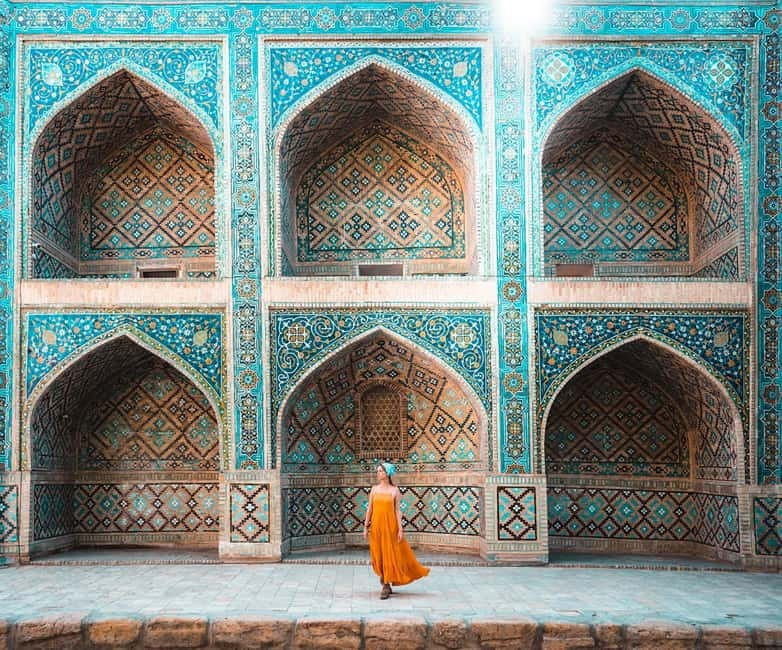
You also visit Bolo Haouz Mosque and Chashma-Ayub Mausoleum. These are great moments to slow down mentally. The tour keeps moving, but these stops are the kind where you can pause, look longer, and let the story settle.
Why they matter: mausoleums and mosque sites show how Bukhara honors important people and how the city’s sacred spaces are part of everyday navigation. If you are the type who usually rushes through monuments, put your camera away for a minute and just watch the space around you. You will understand the atmosphere better.
Ark Fortress area and the Samanid legacy: finishing with the big timeline
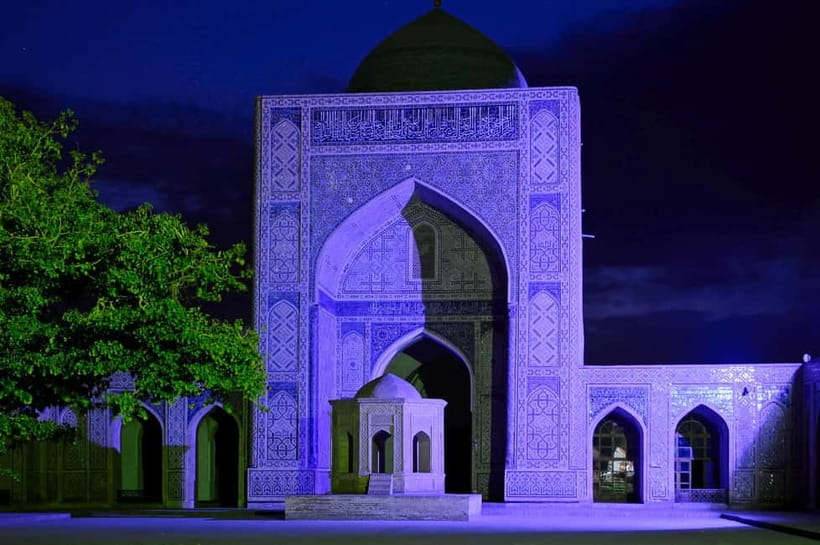
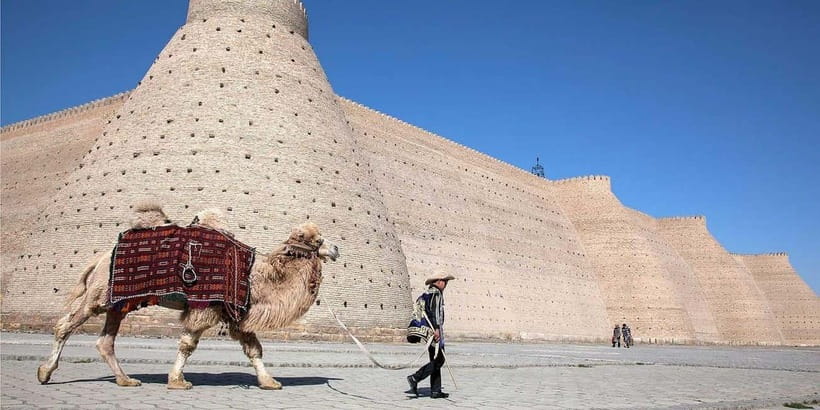
The tour highlights Citadel Ark (also known as Ark Fortress) and ends with Ismail Samani Mausoleum. You also make a stop at the Samanid Mausoleum section along the way.
This finish matters because it turns your earlier walking into a timeline. Early on, you learn how centuries layered rulers and construction. Later, when you reach the major mausoleum area, the city’s long arc feels more real.
The payoff is that you leave with a clearer mental map. You can point out why the city looks the way it does, not just where the buildings are. Reviews repeatedly mention that Hamza walks you through the city’s timeline and helps you place each stop in context, which is exactly the kind of takeaway you want from a first visit.
Bukhara shopping on this walk: what to buy, what to ask, what to skip
Shopping in Bukhara is fun, but it can also become chaotic fast. The tour route helps you shop with a plan.
Here’s the best way to use the shopping-focused stops:
- Treat bazaar domes like a learning lab first, then decide what you want to buy.
- Ask your guide what makes a good local souvenir in the shops you pass, since the guide is also there to recommend.
- If you want textiles, focus on hand-woven pieces and compare quality and feel.
You can also look at spices and craft goods in the trade dome areas. Even if you do not buy, walking through these spaces with context makes them more meaningful. It stops you from treating the bazaars like a random maze.
Budget note: entrance tickets are not included, and shopping depends on your style. If you want to keep costs predictable, set a souvenir budget before the tour and stick to it.
Price and group size: why $55 feels fair for what you get
At $55 per person for 4.5 hours, this is good value when you compare it to private guiding. The key is the group format. Because it is around 10 to 15 people, the guide can offer a lower price without turning it into a rigid herd.
For many visitors, the “hidden” cost of not booking a guide is time. Without guidance, you might wander, then realize you missed the deeper context that makes the architecture click. With Hamza’s approach, you gain that context while you are still in the buildings and streets where it matters.
Worth knowing: the tour is described as a private group, but you are still with other people. If you want total solitude and zero coordination, you would need a fully private arrangement through the provider.
Logistics you should plan for before you go
This tour is designed to be straightforward. It is a walking format with English-speaking live guidance and it is wheelchair accessible, which is a real plus if you need that.
Bring the basics: sun hat, camera, water, and a charged smartphone. You will be taking pictures, and you will want your phone ready for notes and maps.
One practical advantage: there is skip-the-ticket-line support. Entrance tickets are still not included, but being guided through the process reduces stress. You can pay entrance fees on the spot where required.
Weather can also matter. One review specifically mentions a rainy day that still worked, which suggests the guide keeps the schedule logical even when conditions are wet.
Who should book this Bukhara walking tour
This tour is a strong fit if:
- You want a first-day orientation that helps you explore the rest of Bukhara confidently
- You care more about architecture and how cities evolve than about memorizing long lists of dates
- You like asking questions while you walk, and you do not want a large, slow group pace
- You want shopping stops tied to crafts and local life, not just storefront browsing
You might prefer something different if:
- You need a fully private, zero-sharing guide experience
- You dislike walking and would rather use vehicle transfers for everything
- You only want ticketed interior access and are not okay with exterior-focused viewing at some educational sites
Should you book this Bukhara walk with Hamza?
If it is your first time in Bukhara, I think it is an easy yes. The route covers the main monuments, plus the bazaar spaces that explain how the city actually functions. The best part is the way Hamza connects stops into a timeline, so you leave understanding the city instead of collecting photos.
Book it if you want good value, clear orientation, and a guide who is comfortable with questions. Pass or switch to a different format if you require total privacy or if you know you will only be happy when every stop includes a long interior visit.
FAQ
How long is the Bukhara walking tour?
The duration is 4.5 hours.
What is the price per person?
The price is $55 per person.
How big is the group?
It is a small group, typically around 10 to 15 people.
What language is the tour guide?
The live tour guide speaks English.
Where is the meeting point?
You meet near the donkey statue.
Are entrance tickets included?
No. Entrance tickets are not included and can be paid on the spot.
Is lunch included?
No. Lunch and dinner are not included.
Is there a way to skip the ticket line?
Yes. Skip the ticket line is included.
Can I book if my plans are not fully fixed?
You can reserve now and pay later, and free cancellation is available up to 24 hours in advance for a full refund.
Latest reviews out of Bukhara
- Uzbekistan 8 Days Private Guided Tour★ 4.6 · 3 reviews
- Bukhara: City Highlights Guided Tour with Pickup★ 5.0 · 3 reviews
- Bukhara day tour★ 4.0 · 4 reviews
- Bukhara Private City Tour★ 2.5 · 4 reviews
- Legends of Bukhara: Exclusive Full-Day Tour★ 5.0 · 4 reviews
- 2 Day Ukhum Hiking Tour from Bukhara★ 5.0 · 4 reviews
- From Bukhara: 3-Day Yurt Stay, Hiking & Lake Aydarkul★ 5.0 · 5 reviews
- Bukhara day tour. Departure from Tashkent or Samarkand.★ 5.0 · 7 reviews
Bukhara Tours, compared.
Bukhara Historical City Highlights Guided Walking Tour
Read our review →Browse the lists this tour appears in