
Bukhara has a way of making time feel slippery, and this 4-hour highlights tour is built for that. You’ll see the city’s most important monuments in an efficient loop, with a guide who explains what you’re looking at and why it mattered.
I especially like the small group size (limited to 7), because it makes questions easy and the pace feel human. I also like the way the itinerary mixes the big-name stops like Samanid Mausoleum with less obvious sights that help you understand how people actually lived and worshipped here.
One thing to consider: entry tickets and extras are not included. Plan on around $7 per person for entrances, plus you’ll need to handle your own food and drinks.
Key things you will notice on this Bukhara tour
- Hotel pickup with a name sign makes meeting up simple.
- Up to 7 people means you are not stuck listening over strangers all day.
- UNESCO old town sights like Ark Fortress and Po-i-Kalyan Complex get explained in context.
- Religion and social traditions are part of the story, not just architecture photos.
- Bazaars plus monument stops so you get both street life and stone monuments.
- Comfortable walking shoes matter, since this is a real city stroll, not a bus tour.
Bukhara highlights in 4 hours, with real city context
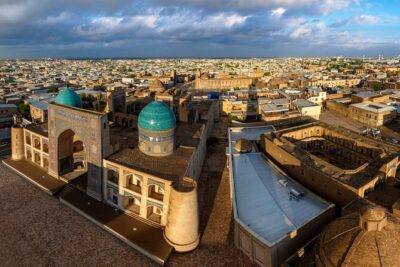
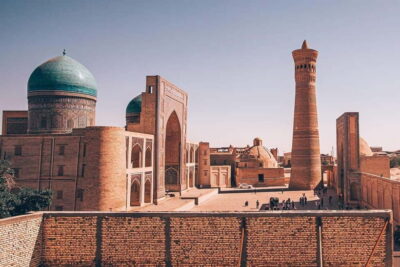
Bukhara is the kind of place where you can stare at a doorway for 10 minutes and still miss the point. The best way to avoid that is a guide who connects details to meaning. This tour does that with a clear, landmark-focused route through Bukhara’s UNESCO World Heritage-listed old town.
I like that it does not feel like a checklist. Yes, you will hit the classic icons, but you also spend time learning how religion and everyday social life shaped the city. You’ll also hear legends and even humorous stories, which is a nice change from stone-faced explanations.
The timing is a big deal. At 4 hours, you’re getting a lot of ground covered, including multiple madrasahs, mosques, and the fortress area, without turning it into an exhausting marathon. It’s enough to give you bearings for the days after the tour, when you can wander more confidently on your own.
More of Bukhara worth pencilling in
- Bukhara: Walking Tour with a Small Group
★ 4.9 · 260 reviews - Best of Bukhara: All Day Private Old Town Tour
★ 5.0 · 66 reviews - Best of Bukhara: All Day Private Old Town Tour
★ 4.9 · 62 reviews
Getting picked up and starting on the right foot
Pickup is included, so you do not have to figure out local transport for your first day. You wait in the hotel lobby about 5 minutes before your scheduled pickup time. Your guide will be holding a sign with your name, which cuts down on the usual start-of-tour stress.
You’ll want comfortable shoes. The tour is built around walking through historic streets and entering or viewing multiple sites in a compact area. Also note the limit on luggage: no large bags or luggage. If you’re traveling with bulky items, plan to store them before the tour.
Language options are English and Russian. The group stays small, limited to 7 participants, so it tends to feel more like a conversation with a local expert than a lecture.
The Samanid Mausoleum stop: where you start seeing the math of beauty
The route begins with one of the anchors of Bukhara’s architectural story, the Samanid Mausoleum. This is the kind of monument where the proportions and decoration feel intentional rather than purely decorative. A good guide matters here, because the details are easier to understand when someone tells you what to look for, not just what it is called.
What makes this stop valuable on a highlights tour is pacing. You start with an iconic example, then the rest of the route becomes easier to read. After you understand one major style, later buildings like madrasahs and mosque complexes start to make more sense as part of the same urban language.
The main drawback is also predictable: as an early stop, you may still be calibrating your attention. If you’re tired from travel, ask the guide to keep explanations simple at first. The tour format supports that kind of back-and-forth.
Chashma-Ayub Mausoleum: a quieter break with spiritual meaning
Next is Chashma-Ayub Mausoleum. This is one of those places where the emotional tone can shift compared to larger, more monumental sites. The guide’s job here is to explain the spiritual importance and local beliefs tied to the site.
On a short tour, moments like this matter because they add variety. Architecture sightseeing can start to blur into similar domes and courtyards unless you get a narrative thread. A spiritual site helps you remember that this city was not built only for tourism. It was built for people, prayers, and community rituals.
An easier afternoon once Bukhara is done:
- From Bukhara: 2-Day Desert Yurt Camp Tour
★ 4.5 · 57 reviews - City Tour Around Bukhara
★ 5.0 · 55 reviews - Bukhara Full Day Old City Private Tour
★ 5.0 · 46 reviews - Bukhara: Historic Center Guided Sightseeing Tour
★ 4.8 · 44 reviews
Bolo-Hauz Mosque: seeing how faith and street life connect
Then you reach the Bolo-Hauz Mosque, another key stop that helps you understand Bukhara’s religious landscape. The interesting part of this stop is that mosques here are not just buildings. They connect to how people gather, study, and practice.
What I like about placing a mosque stop mid-tour is that it resets your understanding. Early on you’re learning architectural landmarks. By the time you get here, the guide can point out how religious spaces shaped the city’s rhythm.
One practical note: mosques can involve rules about visiting and respectful behavior. The tour description does not list specifics, so follow the guide’s instructions on the spot. If you are unsure, ask before you enter.
Ark Fortress: the power center feeling, up close
The Ark Fortress is where the city’s authority story starts to feel physical. Fortress areas often look like they were designed to impress from multiple angles, and this one is no different. Even if you are not an architectural fan, fortress sites give you a strong sense of location and control.
In a highlights tour, Ark also serves as a transition. After the religious and memorial sites, you get to think about governance, defense, and how rulers shaped the city. The guide’s commentary is what makes this stop click, since you’ll likely hear stories about who controlled what and how the city developed.
A consideration here is time. Fortress complexes can involve a bit of wandering, depending on how the guide routes the group. If you want specific photo angles, bring your camera with you and ask the guide when a good moment is likely to come.
Po-i-Kalyan Complex: the big-city set piece
The Po-i-Kalyan Complex is one of those stops that can feel like the city’s headline. It’s a major site, and the guide’s role is to help you understand the relationship between the different buildings in the complex.
This is also where you’ll start noticing patterns. Ornamentation, scale, and layout often echo across the other madrasahs and mosque structures later on. If you take a few minutes to focus on the layout, you’ll get more out of the next stops.
Ulugbek and Abdulaziz-Khan Madrasahs: study culture made visible
Next come the Ulugbek and Abdulaziz-Khan Madrasahs. Madrasahs are where the city’s education story becomes concrete. With a guide, you’ll understand that these weren’t just schools. They were part of a broader system where knowledge, religion, and social order interlocked.
What I like here is that it complements the mosque stops. It shows another side of the same world. You’re seeing how belief expressed itself not only in worship spaces, but also in places where people learned.
A small drawback for some people: if you prefer pure street atmosphere to formal architecture, madrasahs can feel slower. The solution is to let the guide guide you. Ask what is most important to notice, rather than trying to memorize every feature.
Magoki-Attari Mosque and Lyab-i Hauz Ensemble: the pause between monuments
The tour then shifts into a more atmospheric rhythm with Magoki-Attari Mosque and the Lyab-i Hauz Ensemble. This is where the city starts to feel lived-in, not just historic.
The Lyab-i Hauz Ensemble is especially helpful for travelers who want more than photos. It’s a moment where you can slow down and absorb the everyday feeling of the old town. If you love people-watching and street scenes, this kind of stop is a gift. It also helps you understand why Bukhara has stayed relevant over time, even as fashions and rulers have changed.
Magoki-Attari to Chor-Minor: closing with a standout comparison
Finally, you’ll reach the Chor-Minor Madrasah. Chor-Minor often works well as a closing act because it gives you something visually distinct to compare with earlier buildings. After hours of similar-looking stonework, a final standout structure helps your brain lock in the differences.
If you’ve been paying attention to the guide’s explanations, Chor-Minor can feel like a summary. If you haven’t, it still works as a memorable last stop, which is what you want at the end of a 4-hour highlights tour.
Bazaars, traditions, and local food stops you can actually use
A tour like this is not only about monuments. You also get time for the bazaars, plus commentary about traditions and practices in Uzbek religion and society. That matters because it helps you read the city while you’re walking after the tour.
Expect an atmosphere of markets and trade, not just a scenic stroll. If you want to buy small items later, you’ll have a better sense of where things are and how people use the streets.
You’ll also get a chance to taste local cuisine, but keep your expectations realistic. Food and drinks are listed as not included, so plan to pay for what you actually eat. Think of this as a guided intro that helps you decide what to order, not a full lunch included in the price.
What the guide quality really changes (and why you should care)
The reviews you shared point to a consistent theme: the guide makes the difference between seeing buildings and understanding them.
One guide name you’ll hear in the feedback is Shahram, described as helpful and passionate, making the tour feel like a real window into history and culture. Another guide name that stands out is Bekruza (also spelled Bexruza in one note), praised for clear explanations, strong preparation, and a friendly approach. A third person, Kamran, highlighted professionalism and attentiveness, along with kindness in explaining the sites.
There’s also a practical detail worth stealing. In one review, the guide actively asked the group to stop the explanations if they felt like they missed something. That’s the kind of “control the pace together” behavior you want in a small-group setting.
If you care about getting the most out of your guide, do this on Day 1: ask one question early. Something simple like what to notice at the next monument. You’ll get better answers later.
Price and value: when $168 per group makes sense
The price is $168 per group up to 2 for a 4-hour tour. That pricing structure can be a great deal if you are traveling as a couple or with a friend, because you effectively pay once for the guide and pickup experience.
Here’s the key value math: the tour includes a professional guide and hotel pickup, and it covers a lot of major stops in a compact old-town area. The trade-off is that entry fees are extra, listed at around $7 per person, and food and drinks are not included.
So when does this feel like good value?
- If you want the structure of a guided route for your first taste of Bukhara.
- If you plan to visit multiple monuments anyway, and you’d rather pay one price for guided context instead of cobbling together individual tickets.
- If you prefer a small group. With just a handful of people, the tour is easier to manage and less stressful.
When might it feel less ideal?
- If you already know you want a totally self-guided day, at your own pace, you might skip the entry fees and guide fees. But then you give up the interpretation part, which is a big reason people book this type of tour.
Who this tour suits best
This is a strong pick if you want:
- A short, high-coverage highlights loop in Bukhara.
- Clear explanations in English or Russian.
- A guide who brings stories and practical context into the stops.
- Time for bazaars and a bit of local food tasting, without turning it into a full-day food crawl.
It may not be ideal if:
- You hate walking and prefer long stops sitting down.
- You want no extra costs at all, since entry tickets are not included.
- You travel with large luggage that you cannot store elsewhere during the tour.
Should you book this Bukhara City Highlights Guided Tour with Pickup?
Yes, if you’re heading to Bukhara for the first time and you want to get your bearings fast while still getting meaning, not just photos. The small group format, hotel pickup, and the mix of Samanid Mausoleum, major mosque complexes, madrasahs, Ark Fortress, plus bazaar time makes this a smart introduction to the old town.
Book it with the expectation that you will spend a little extra at entrances and you’ll pay for your own food and drinks. If you’re okay with that, you’re buying a focused 4-hour plan with a guide who can translate Bukhara’s stone, symbols, and stories into something you can actually remember after you leave.
FAQ
How long is the Bukhara City Highlights guided tour?
The tour lasts 4 hours.
What is the price for this tour?
It costs $168 per group up to 2.
Is hotel pickup included?
Yes, hotel pickup is included. You wait in the hotel lobby about 5 minutes before pickup, and the guide holds a sign with your name.
How many people are in the group?
This is a small group limited to 7 participants.
What languages are offered for the live guide?
The live guide is available in English and Russian.
Are entry fees included in the price?
No. Entry fees are not included and are listed at around $7 per person.
Is food and drinks included?
No. Food and drinks are not included.
What should I bring and what can’t I bring?
Bring comfortable shoes. Large bags or luggage are not allowed.
Latest reviews out of Bukhara
- Uzbekistan 8 Days Private Guided Tour★ 4.6 · 3 reviews
- Bukhara day tour★ 4.0 · 4 reviews
- Bukhara Private City Tour★ 2.5 · 4 reviews
- Legends of Bukhara: Exclusive Full-Day Tour★ 5.0 · 4 reviews
- 2 Day Ukhum Hiking Tour from Bukhara★ 5.0 · 4 reviews
- From Bukhara: 3-Day Yurt Stay, Hiking & Lake Aydarkul★ 5.0 · 5 reviews
- Bukhara day tour. Departure from Tashkent or Samarkand.★ 5.0 · 7 reviews
- Bukhara in a Day History, Culture, and Local Insight Private Tour★ 5.0 · 4 reviews
Bukhara Tours, compared.
All You Need To Know About Bukhara. A Walk In The Town
Read our review →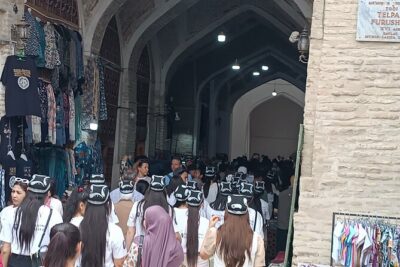
Browse the lists this tour appears in