
Uzbekistan works best when you travel in a loop, not as a bunch of disconnected day trips. This route strings together Tashkent, Khiva, Bukhara, and Samarkand with a private guide for the sightseeing heavy lifting.
I really like two things right away. First, you get guided time in the big-hitters like Itchan Kala and Registan, not just a quick drive-by. Second, the trip uses real transport for real distance, with a domestic flight plus train legs that also cut down on exhausting backtracking.
One thing to consider is the pace. There is an early start for the Tashkent to Urganch flight day, and overall you’ll be on the move almost daily, so you’ll want good energy, comfy shoes, and a plan for meals outside the included ones.
Key highlights you will feel on the ground
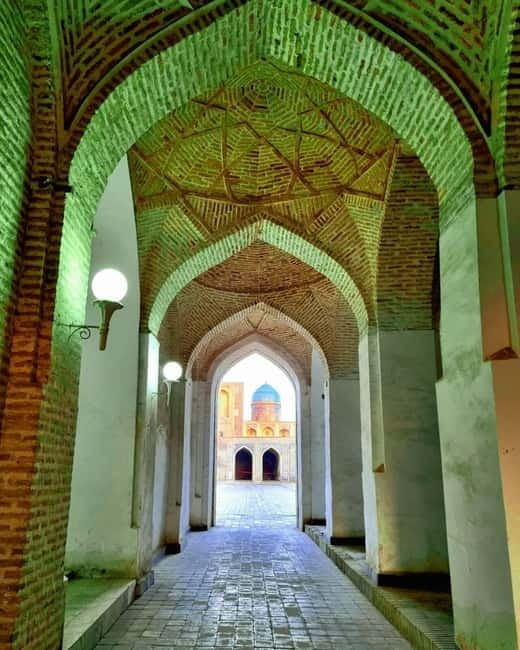
- Private, English-speaking guide on the sightseeing days so you can ask questions, not just follow a script.
- Tashkent metro and markets mixed into the culture stops, which helps the city feel lived-in.
- Khiva inside Itchan Kala with a full walk through madrasas, palaces, and major monuments.
- Train travel through the Kyzylkum Desert corridor between Khiva and Bukhara for scenery and a break from cars.
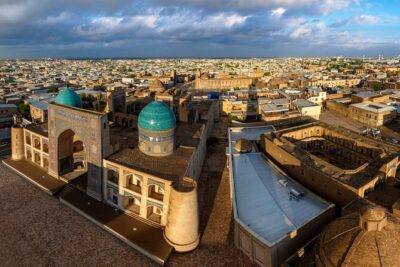
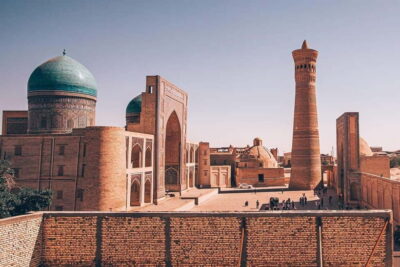
- Bukhara’s classic ensemble route around Lyab-i-Hauz, the trading domes, and Poi Kalyan.
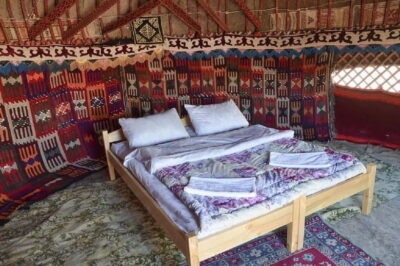
- Camp-style breakfast and a BBQ dinner at the Yurt camp as a change of pace from monuments.
Why this Uzbekistan loop is a smart 8 days
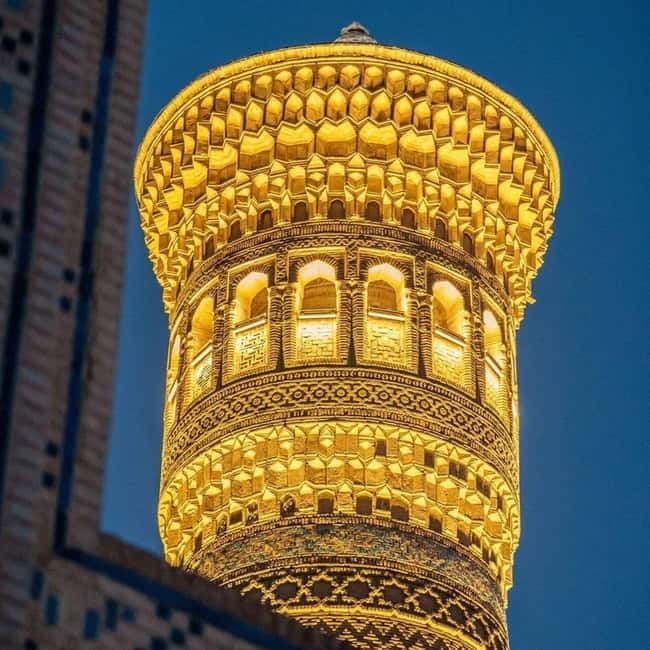
This itinerary makes sense because it follows the Great Silk Road in a practical order. You start in Tashkent, then head west to Khiva, continue to Bukhara, and finish in Samarkand before returning to Tashkent. You spend daylight inside the sights, and you use transportation when the clock is doing you no favors.
The private structure matters. With a guide you’re not only seeing monuments, you’re also getting context for what you’re looking at, plus direction for how to pace yourself inside each complex. The tour also includes entrance tickets according to the plan, so you avoid one of the most common “vacation friction points” in historic cities.
Value also comes from the mix of transport types. A domestic flight saves time, while the regular train and high-speed train legs reduce long overland drives. That means you can actually enjoy the “travel day” parts, not just endure them.
Longer Silk Road routes to compare:
- 2 Days Private Safari Tour from Bukhara
★ 4.4 · 11 reviews - 2 Days Private Safari Tour from Bukhara
★ 4.5 · 6 reviews - 2 – Days Guided Tour of Samarkand and Bukhara from Tashkent
★ 5.0 · 5 reviews
Entering Tashkent: markets, madrasas, and the metro trick
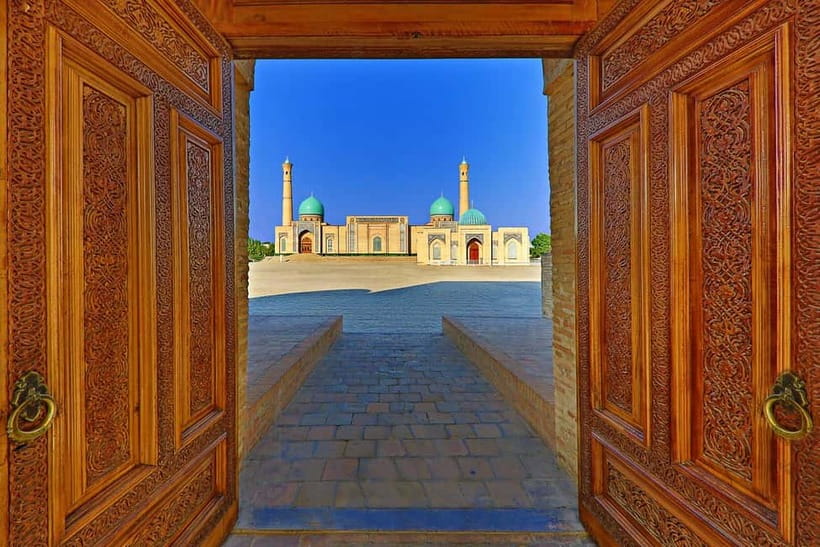
Your first real sightseeing day starts with a full program in Tashkent. You’ll visit Amir Timur Square and the Amir Temur Museum, then move into the older layers of the city at Khast Imam Square and nearby sites like the Kukeldash Madrasah.
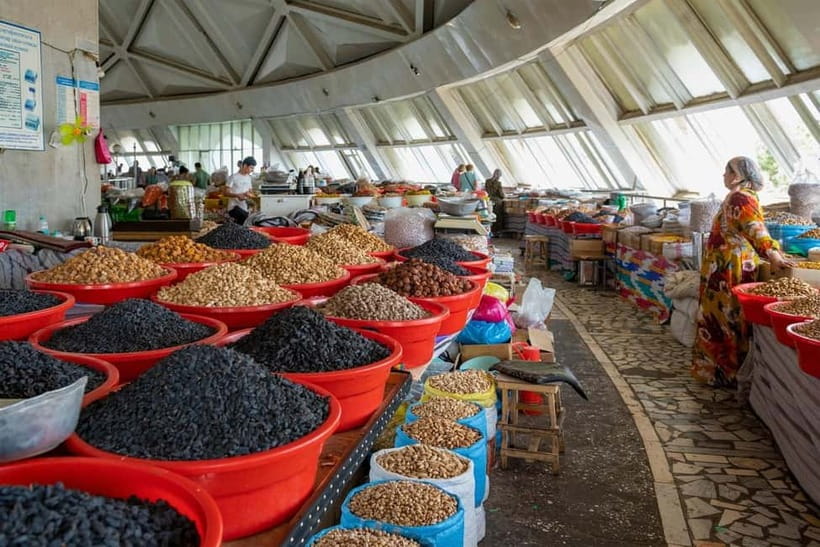
The market stop is key for getting oriented. Chorsu bazaar gives you a feel for daily life, not only architecture. If you like travel that smells like food and real commerce, this is where Tashkent clicks.
Other stops are classic but useful. You’ll see Independence square, the Minor mosque, and the Museum of Applied art, which helps you connect decorative design to the culture that produced it. Then there’s the fun one: the Tashkent metro. Even if you’re not a transit nerd, it’s a fast way to see modern Tashkent without turning it into an all-day scramble.
A practical tip: plan for a longer walking day. You’re moving between squares, museums, and religious sites, so comfortable shoes matter more than you’d think in a “city day.”
Khiva inside Itchan Kala: why the walls change everything
Khiva is the highlight for many people, and this plan is built for that. After the early flight from Tashkent to Urganch, you go straight into a full-day guided visit of Khiva. The tour focuses heavily on Itchan Kala, the walled inner city, which is where the magic lives.
You’ll see a strong lineup of the old power centers and religious architecture, including:
- Kunya-Ark (older palace complex)
- Juma Mosque
- Tash-Khovli Palace
- Pakhlavan Makhmud Mausoleum and Minaret of Islam-Khoja
- Kalta-Minor
- Madrasas like Mukhammad Aminkhan and Mukhammad Rahimkhan
What I like about this approach is that it does not treat Khiva like a single monument stop. You’re walking through multiple functions of the city: governance, prayer, education, and tomb culture. It starts to feel like a living system rather than separate “photos on a list.”
Also, the timing helps. By staying in the old city on the first Khiva day, you see the atmosphere before you’re tired from transit. Then you get the transfer and rest built into the schedule.
The Khiva to Bukhara train: a real travel day with payoff
Day 4 is a straightforward transition: breakfast, then a transfer to the train station. You take the regular train from Khiva to Bukhara, with scheduled arrival in the evening.
The best part is the scenery angle. You’ll enjoy views along the Great Silk Road corridor as the route passes through the Kyzylkum Desert area between Khiva and Bukhara. Even if you don’t know the geography, the shift in surroundings makes the change of cities feel earned.
A more subtle benefit is pace control. Instead of a long car day where everyone is stuck in one posture, the train gives you a chance to stretch, grab water, and reset your energy. This matters because Bukhara sightseeing can feel like information overload if you arrive already exhausted.
More of Bukhara worth pencilling in
- Bukhara: Walking Tour with a Small Group
★ 4.9 · 260 reviews - Best of Bukhara: All Day Private Old Town Tour
★ 5.0 · 66 reviews - Best of Bukhara: All Day Private Old Town Tour
★ 4.9 · 62 reviews - From Bukhara: 2-Day Desert Yurt Camp Tour
★ 4.5 · 57 reviews
Bukhara’s monuments: the walkable “open-air museum” feeling
Bukhara is where the route turns into a guided deepening. You start Day 5 at Lyab-i-Hauz ensemble, then continue through religious and civic structures like Nodir Devon Begi Madrasah and Moschea Bolo-khauz.
You also get the kind of stops that help you understand the city’s identity. The Ark of Bukhara is a must for context, because it ties together political history and the reason the city grew in the first place. Then you move through smaller but meaningful sites like Maghak-i ‘Attari Mosque and Chasma Ayub Mausoleum.
The plan then layers in big visual anchors:
- Trading domes
- Great Minaret of the Kalon
- Poi Kalyan Mosque
- Mir-i-Arab Madrasa
- Ulugbek Madrasa
If you’re worried about “too many buildings,” this is where the guide makes the difference. These places connect to each other in function, style, and purpose. You’ll start spotting patterns in tilework and layout, and your photos will look better because you’ll know what you’re capturing.
There are also optional evening experiences built into the tour, if available. You may get a light show at Registan square and a folklore show at Nadir Divan-Begi Madrasah. Don’t plan your day around those, but they can add a memorable night moment without needing extra tickets you have to hunt down.
Heading to Samarkand: Sitorai Moki-Khosa and the palace contrast
On Day 6, you see more than just “the next city.” You get a guided morning in Bukhara with stops like Chor bakr memorial complex, then Sitorai mokhi-khosa palace. That palace visit is important because it breaks the strict rhythm of tomb and madrasa architecture.
You’ll also visit Ismail Samani Mausoleum and Chor Minor Madrasah before heading to the station. Then you take the Bukhara to Samarkand train, arriving in the early evening. This keeps you from losing an entire day to transit.
For me, this is one of the better pacing choices of the trip. You arrive in Samarkand after most sightseeing energy has been “saved,” so you can focus on the big sites the next day.
Samarkand classics with real structure: Registan, Shah-i-Zinda, Gur Emir
Samarkand is often called the star, and this itinerary spends your time where it counts. Your guided day includes Gur Emir Mausoleum, the Registan, Bibi Khanym Mosque, Siyob Bazaar, the Shah-i-Zinda Ensemble, and Ulugh Beg Observatory.
The order helps. Starting with Gur Emir gives you a sense of dynastic power and design style, then you move into the ceremonial and public spaces like Registan and later the religious complex of Shah-i-Zinda. Bibi Khanym adds the grand mosque scale, while Siyob Bazaar gives you a normal-human break so you’re not only looking at sacred buildings.
The Shah-i-Zinda Ensemble stop is where you should take your time. Color and tile patterns can start to blend if you walk too fast, so slow down inside the complex. Let the guide point out what’s different between sections.
As for timing, you finish with a train back to Tashkent at night, so you get a full day in Samarkand without having to split it across two partial visits.
Food and the yurt camp break: where the trip gets human
This tour is not all monuments. It includes a camp-style breakfast and a BBQ dinner at the Yurt camp. Those meals are more than a novelty, they’re a chance to reset. After hours of religious architecture and museum walls, you’ll appreciate sitting down with food and a simple routine.
There’s also one included lunch at Besh Qozon, described as the biggest plov place. If you want one “signature Uzbekistan meal” that’s easy to recognize as part of the culture, this is it. Plov is not just a dish here, it’s a social marker, and eating it with the timing built into the route is convenient.
Plan for the rest of your meals. Accommodation and lunches and dinners are not included, except for that one plov lunch. So build in some flexibility for eating on your own, and expect that your guide can likely help with practical choices during free time.
Price and value for private guiding plus trains and tickets
At $970 per person for 8 days, the headline number is only part of the story. The real value is what’s bundled: private airport transfers and city transport in air-conditioned vehicles, entrance tickets according to the plan, and major legs of travel including a Tashkent to Urganch domestic flight, a regular train (Khiva to Bukhara), plus high-speed trains (Bukhara to Samarkand to Tashkent).
That bundle matters because you’re basically paying someone to handle the friction points that derail itineraries. You’re not coordinating separate tickets, hunting for opening hours, or negotiating guide time across four cities.
Two “price reality” points to keep in mind:
- Accommodation is not included, so your total trip cost will depend heavily on lodging.
- You may have optional shows included only if available, like the Registan light show and the folklore show.
Still, if you prefer a guided plan that runs smoothly and includes the big transport decisions, this pricing is reasonable for a private multi-city route.
Logistics that make or break the trip: pickups, pacing, and language
The tour is private, and pickup is organized with a name sign at the arrival hall exit. You get two pickup options mentioned: Hilton Tashkent City or the Tashkent International Airport. That helps if you want a hotel-based start or if you’re arriving and prefer direct airport pickup.
Language is also practical. The guide is listed as English speaking, with other languages available upon guest request. The fine print says another language may be replaced by English if the booking is made less than 60 days before departure. If your language matters a lot, book early.
Pace is another logistics factor. There is an early transfer for the flight day from Tashkent to Urganch, and the days are packed with guided visits. If you want slow travel with long lunch breaks and lots of downtime, you might find the schedule a little full.
Who should book this and who should skip it
This tour is a good fit if you want structure. You like knowing where you’ll be each day, you want a guide for the monuments, and you don’t want to spend your vacation managing transport details.
It’s also good for people who like a blend of cities and scales: modern Tashkent touches, walled Khiva, layered Bukhara, and grand Samarkand.
It may be less ideal if you dislike early mornings or you need a very flexible day plan. It’s also not suitable for people over 95 years, and the minimum age to participate is 5 years.
Should you book this Uzbekistan private 8-day tour?
If you want a guided loop that covers the big three cities plus Tashkent, this is a strong pick. The mix of private guiding, entrance tickets, and real transport legs reduces the usual headache of putting together Uzbekistan yourself.
I would book it if you are comfortable with a busy pace and you’re ready to pay extra for convenience and guidance, especially since accommodation and most meals are on you. If you want a slower, more open-ended trip with more free time for wandering, you might prefer a smaller route or fewer guided days.
Quick checklist before you go
Bring your passport or ID card, and arrange visa needs if required. Then pack comfortable shoes, water, and patience for long sightseeing blocks. Your reward is seeing these cities in a way that actually connects the dots.
FAQ
What is the duration and price of this tour?
The tour lasts 8 days and is priced at $970 per person.
What cities are included in the 8-day route?
You visit Tashkent, Khiva, Bukhara, and Samarkand.
What are the pickup locations in Tashkent?
Pickup is available from Hilton Tashkent City or from Tashkent International Airport. You confirm the time with the local provider in advance.
Does the tour include flights and train tickets?
Yes. It includes a domestic flight from Tashkent to Urganch, a regular train from Khiva to Bukhara, and high-speed train tickets from Bukhara to Samarkand and from Samarkand to Tashkent.
Are entrance tickets included?
Yes. Entrance tickets to monuments and museums are included according to the itinerary.
Are meals included?
Accommodation is not included. The plan includes 1 lunch in Besh Qozon, plus camp-style breakfast and a BBQ dinner at the Yurt camp as highlighted in the tour details. Other lunches and dinners are not included.
What language is the guide?
The guide is listed as available in English, with French, German, Italian, and Russian available upon guest request.
What if high-speed train tickets are unavailable close to departure?
If the booking is made less than 30 days before departure, high-speed train tickets may be replaced with the most comfortable regular train tickets or transport.
Is cancellation free?
You can cancel up to 24 hours in advance for a full refund.
Latest reviews out of Bukhara
- Bukhara: City Highlights Guided Tour with Pickup★ 5.0 · 3 reviews
- Bukhara day tour★ 4.0 · 4 reviews
- Legends of Bukhara: Exclusive Full-Day Tour★ 5.0 · 4 reviews
- Bukhara Private City Tour★ 2.5 · 4 reviews
- 2 Day Ukhum Hiking Tour from Bukhara★ 5.0 · 4 reviews
- From Bukhara: 3-Day Yurt Stay, Hiking & Lake Aydarkul★ 5.0 · 5 reviews
- Bukhara day tour. Departure from Tashkent or Samarkand.★ 5.0 · 7 reviews
- Bukhara in a Day History, Culture, and Local Insight Private Tour★ 5.0 · 4 reviews
Bukhara Tours, compared.
All You Need To Know About Bukhara. A Walk In The Town
Read our review →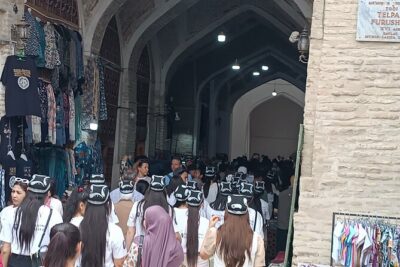
Browse the lists this tour appears in