
Reviewed · BUKHARA TOURS
Hiking tour to Hayat, Uhum and Asraf villages – 4 days
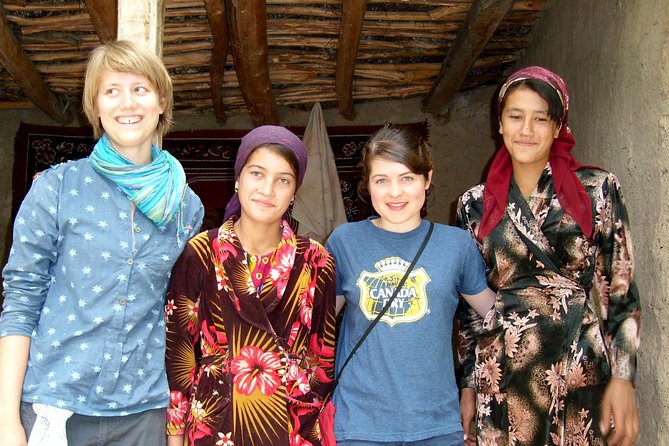
What makes this trip interesting is that you trade tourist routes for mountain villages you’d struggle to reach on your own. I especially love the homestay setup, where you sleep locally and get a real rhythm of village life. I also love that the guide handles the logistics, so you can focus on the hikes and scenery instead of logistics.
I’ve found these village hikes are at their best when food and culture come packaged with the walk, not tacked on at the end. Here, meals are included, and you can even help your host families prepare Uzbek food if you want. The trip also has enough structure to feel organized, with a small group and guided days.
One thing to consider before you sign up: this is weather-dependent and hiking-focused, with multiple long stretches like a 12 km day and another 11 km day. If you want a mostly easy stroll with minimal effort, you might find the walking hours too much.
Key highlights worth planning around
- Bukhara pickup, Samarkand drop-off, so you see two different sides of the region
- Homestays in local villages, plus the chance to meet endangered wild sheep in the Nuratau area
- Guided hikes between Hayat, Uhum, Asraf, and Eski Forish, with clear daily distances and times
- Included meals, so you do not have to pay separately every day
- Community sites on the route, like irrigation channels, petroglyphs, a watermill, and fortress ruins
- Small group size (max 12), keeping the whole experience manageable and friendly
Bukhara to Samarkand, with mountains in between
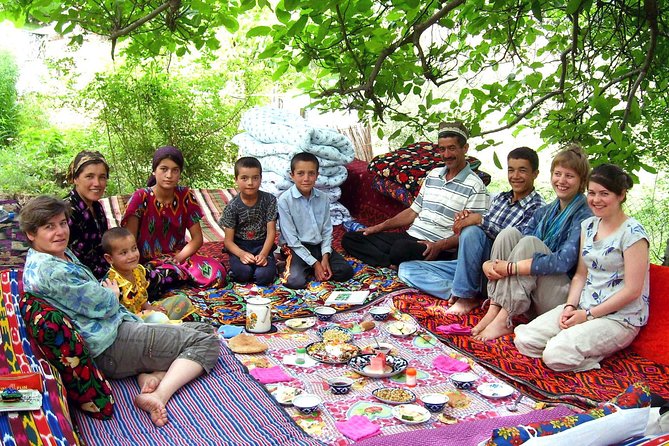
This is not just a hiking tour. It’s also a change of pace and geography. You start in Bukhara with pickup at the Khodja Nasreddin statue at Lyabi Haus Pool, then spend the days walking in the Nuratau Mountains near three village communities. By the end, you’re dropped in Samarkand at the Gur-i Amir complex, which is a very practical way to turn one trip into two big cities plus countryside.
That route matters because it saves you from repeating travel days later. If you’re already in Uzbekistan and thinking about how to fit villages into your plan, this kind of start and finish is a neat way to do it without adding extra one-way transfers.
Also, the group stays small, with a maximum of 12 travelers. For hikes, that size usually means fewer delays, easier pacing, and more chances to chat with your guide and fellow hikers.
More of Bukhara worth pencilling in
- From Bukhara: 3-Day Yurt Stay, Hiking & Lake Aydarkul
★ 5.0 · 5 reviews - 2 Day Ukhum Hiking Tour from Bukhara
★ 5.0 · 4 reviews - Yurt stay and Hiking in the Nurata Mountains tour – 2 days
★ 5.0 · 35 reviews
What $380 buys you in real terms
At $380 per person for 4 days, the price looks reasonable once you break down what’s included. You get:
- Pickup in Bukhara and drop-off in Samarkand
- Local homestays for several nights
- Meals included (so you are not doing daily “where do we eat” budgeting)
- Guides and logistics, plus luggage transport by donkeys on part of the route
- Guided visits along the way, including historic and community sites
If you were to recreate this yourself, you’d likely spend time and money coordinating transport to remote villages, arranging homestays, and hiring a guide for multi-day hiking. Even then, you might not get the same smooth flow of countryside walking plus cultural context.
One more detail I like for value: many of the stops list admission as free, so you’re not paying extra ticket fees in the middle of the trip.
Your hiking days: distances, pacing, and what they feel like
This trip is built around a handful of longer hiking stretches rather than constant short stops. You’ll spend about 4.5 to 5 hours hiking on multiple days, with total daily distances that range from roughly 11 km to 12 km.
You should treat this as a moderately active outing. You will likely want comfortable shoes you can trust for uneven ground and long walking hours. And because the scenery and village stops are part of the experience, you’ll be moving at a pace that balances walking with breaks for cultural viewing and introductions.
The upside is that those long stretches make the countryside feel earned. You do not just step into a village for photos and leave. You get time to feel connected to the route, including the irrigation systems and old structures you pass through.
Day 1: Drive to Hayat village, settle into homestay life
On day one, you meet at 8:30 am at Lyabi Haus Pool at the Khodja Nasreddin statue, then transfer for about 4.5 hours to Hayat village in the Nuratau Mountains. You arrive by lunch time and settle into your homestay.
This first day is about transition, not max effort. After a long drive, you’ll likely appreciate having an easy landing before the hiking begins. Homestays also start you off with a cultural rhythm right away: less hotel feel, more household pace, and time to connect with your hosts.
If you like getting hands-on, this is the kind of trip where you may be invited to participate in everyday routines. The trip notes that you can help your host families prepare Uzbek meals if you like, which is one of those small options that can make the whole stay more meaningful.
An easier afternoon once Bukhara is done:
- Bukhara: Walking Tour with a Small Group
★ 4.9 · 260 reviews - Best of Bukhara: All Day Private Old Town Tour
★ 5.0 · 66 reviews - Best of Bukhara: All Day Private Old Town Tour
★ 4.9 · 62 reviews - From Bukhara: 2-Day Desert Yurt Camp Tour
★ 4.5 · 57 reviews
Day 2: Uhum village hike with irrigation channels and petroglyphs
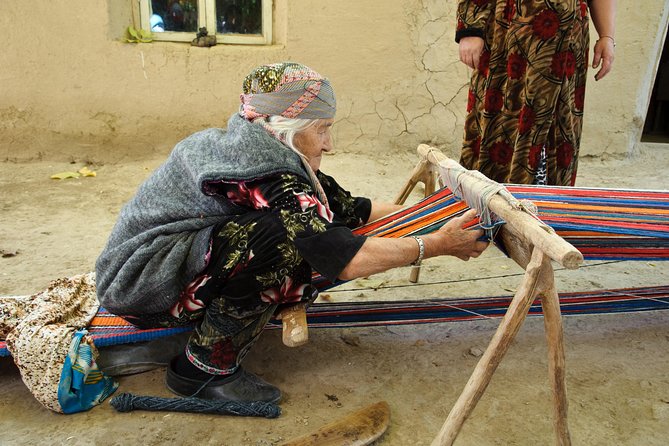
Day two is the big walking day to Uhum. You meet your mountain guide in the morning and then hike for about 12 km, roughly 5 hours.
What makes this day more than just a workout is the way the route is threaded with local history and practical life. You’ll visit:
- Ancient irrigation channels, which are the kind of infrastructure that explains how people have lived in arid areas for generations
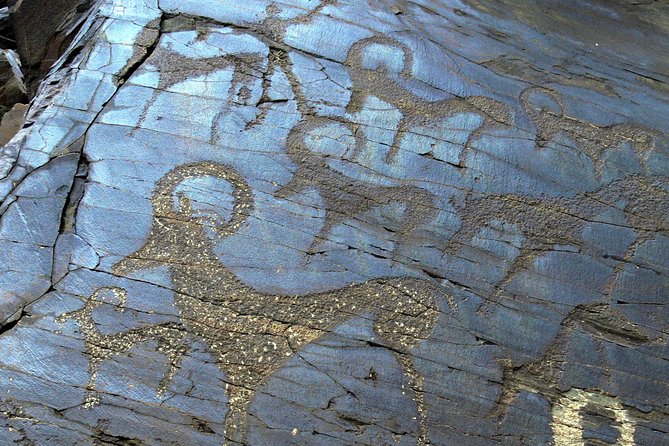
- A petroglyph site, adding a deep-time layer to your hike
- Opportunities to meet local people you pass along the way
That combination changes how you experience the mountains. Instead of seeing hills only as scenery, you start seeing them as a lived system: water control, settlement patterns, and human marks in the landscape.
If you want photos, plan on them happening naturally during breaks. If you want conversation, this is one of the best days because you’re walking through places where people are moving around their daily routines.
Day 3: Down via Uhum to Asraf, donkeys for luggage, Mongol ruins on the route
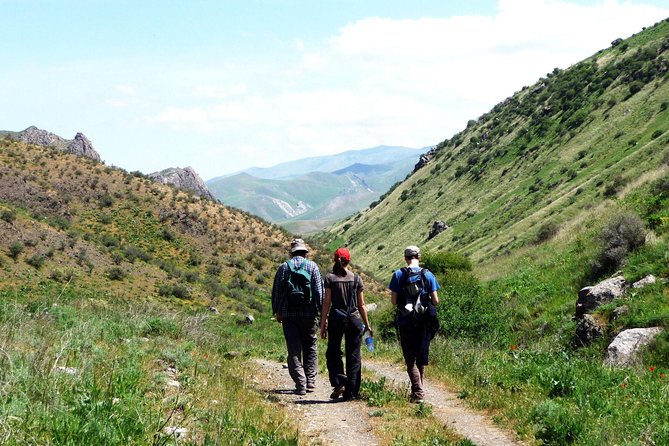
On day three, you pack up and begin the guided hike down to Asraf village via Uhum, about 11 km over 4.5 hours. A useful detail here is that luggage is transported by donkeys, which means you can keep your own pack light enough to enjoy the walk rather than haul everything on your back.
En route, you’ll stop for two standout historical and community features:
- A community watermill
- The ruins of a Mongol fortress
This is the day that tends to feel like the “story” of the hike comes together. You’re moving through infrastructure and heritage that show how these communities survived and adapted across centuries. A watermill also gives you a sense of how food and daily work were connected to local geography.
When you arrive in Asraf, you shift back into homestay mode again, which helps the trip feel grounded. By this point, you’re not just hiking between points on a map. You’re living the route for real.
Day 4: Easy hike to Eski Forish and the medieval observation ruins
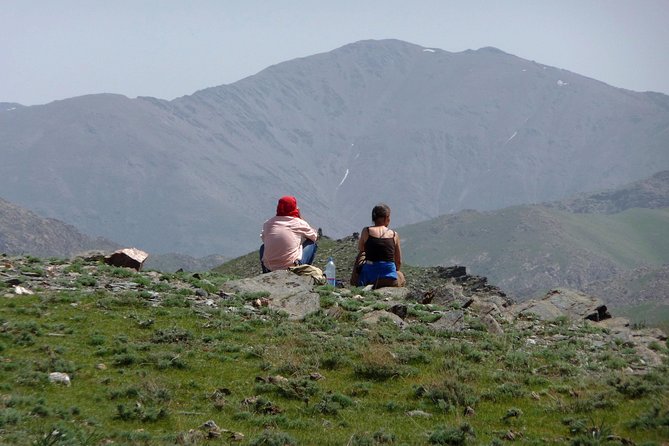
Day four starts with an easier-feeling hike compared to day two, but it’s still a full half-day walk. You hike from Asraf to Eski Forish and back, about 11 km for a roughly 5 hour return trip.
Along the way, you visit the ruins of a medieval observation point. Even if you’re not a history buff, an observation ruin tends to be visually clear, because you can usually understand why someone would build there. It also breaks up the walk with a concrete goal that isn’t just distance.
After lunch back in Asraf, you leave for Samarkand. Ending the trip here is smart. Samarkand is where you can turn the energy of the mountains into city time, with a big dose of sights after quieter village days.
The homestays: why they are usually the best part
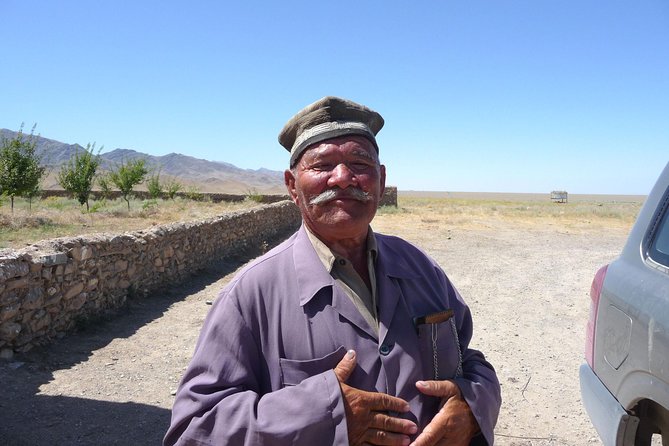
The best value in a trip like this usually comes down to the nights, not the walking. Here, you sleep in local homestays, and the tour specifically highlights warm hospitality and friendliness of guides.
That matters because homestays are where you get past the “watch and go” style of tourism. You’re sharing meals included on the tour, and if you want, you can help prepare Uzbek dishes. Even if you stay mostly a learner, you’ll likely leave with a stronger sense of how families cook, host, and live day to day.
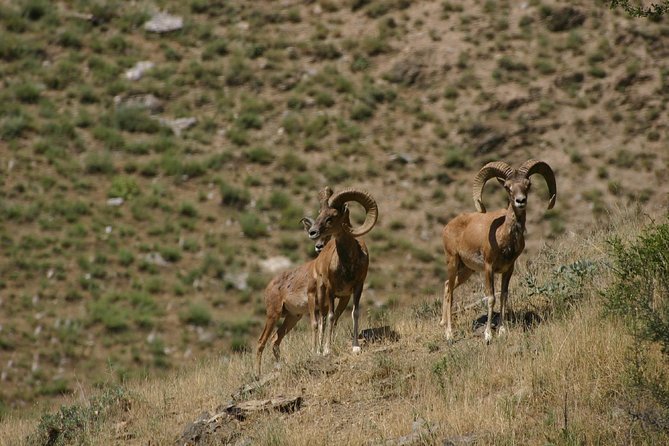
This trip also mentions the chance to meet endangered wild sheep. I can’t tell you exactly when or where you’ll see them, but it’s a strong reminder that Nuratau country is not just scenic. It’s ecological too, and part of the reason a guided trek is worth it.
Guides, group size, and why logistics change the experience
With a max group size of 12, you avoid the slow drift that can happen on larger treks. Your guide can keep the day moving, handle timing, and still make room for cultural stops and questions.
Another practical advantage is the way the trip is set up for you. You do not have to coordinate transport between Bukhara, Hayat, the trail days, Asraf, and then Samarkand. Drivers handle the longer transfers, and donkey transport handles luggage on the day it’s needed.
That might sound like behind-the-scenes detail, but on multi-day hikes it’s the difference between enjoying your walk and constantly thinking about logistics.
Weather, fitness, and what to plan for
This experience requires good weather. That’s not unusual for mountains, but it’s important because it can affect whether the hike runs as planned. If conditions are poor, you’ll be offered a different date or a full refund.
On the activity side, the tour states that most travelers can participate, which suggests the pacing is meant to be workable for a broad range of people. Still, the distances and 4.5 to 5 hour hiking blocks tell you what kind of day you’re signing up for.
If you’re unsure, think honestly about your ability to handle long walking days. This is not a sit-and-look itinerary.
Who should book this trek?
This tour is a good fit if you want:
- Village life plus guided hiking, not just one or the other
- A trip that includes meals and homestays, so you can travel lighter
- To see more of Uzbekistan than the classic city highlights, without losing comfort and structure
- A small group experience where you can talk with your guide and learn as you walk
It’s also a solid choice if you’re planning a route through Bukhara and Samarkand, because the start and end points line up well with common travel patterns.
If your priority is maximum comfort, minimal walking, or a mostly urban sightseeing schedule, you may want something gentler.
Should you book this Hayat, Uhum and Asraf hike?
I’d book it if you like practical travel that gives you more than photos. The combination of homestays, included meals, and guided stops tied to real village systems like irrigation and milling is exactly what makes these kinds of trips memorable.
Even at $380, the value holds up because you’re not paying separately for daily meals, and you’re getting multi-day guiding plus transportation and homestays in one package. The key tradeoff is effort, with several days around 11 to 12 km and 4.5 to 5 hours of hiking.
If good weather is forecast during your dates and you’re comfortable with a moderately active schedule, this is the kind of trip that turns a vacation into a story you can actually feel.
FAQ
Where do I meet the tour in Bukhara?
You meet at 8:30 am at the Lyabi Haus Pool area at the Khodja Nasreddin statue in Bukhara.
When does the tour start?
The start time is 9:00 am.
How long is the hike tour?
The tour runs for 4 days.
What is the total price?
The price is $380.00 per person.
Are meals included?
Yes. Meals are included during the tour, so you do not need to pay separately for food.
Where do you sleep during the trip?
You sleep in local homestays.
What villages do you hike between?
The route focuses on Hayat, Uhum, Asraf, and also includes a hike to Eski Forish on the final day.
How far are the hikes each day?
Day two is about 12 km (5 hours). Day three is about 11 km (4.5 hours). Day four is a return trip of about 11 km (5 hours).
How is luggage handled during the hike?
The tour notes that luggage is transported by donkeys during the hike to Asraf.
What are the pickup and drop-off locations?
Pickup is in Bukhara and drop-off is in Samarkand, at Gur-i Amir Mausoleum.
More 4-Day Experiences in Bukhara
- Tashkent-Samarkand-Bukhara tour-3nights/4 days
★ 5.0 · 5 reviews
Latest reviews out of Bukhara
- Uzbekistan 8 Days Private Guided Tour★ 4.6 · 3 reviews
- Bukhara: City Highlights Guided Tour with Pickup★ 5.0 · 3 reviews
- Bukhara day tour★ 4.0 · 4 reviews
- Bukhara Private City Tour★ 2.5 · 4 reviews
- Legends of Bukhara: Exclusive Full-Day Tour★ 5.0 · 4 reviews
- 2 Day Ukhum Hiking Tour from Bukhara★ 5.0 · 4 reviews
- From Bukhara: 3-Day Yurt Stay, Hiking & Lake Aydarkul★ 5.0 · 5 reviews
- Bukhara day tour. Departure from Tashkent or Samarkand.★ 5.0 · 7 reviews
Bukhara Tours, compared.
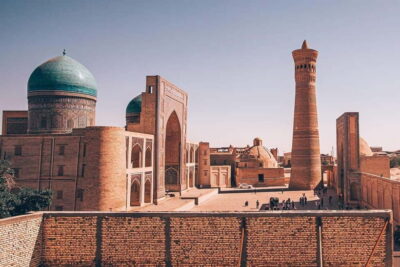
All You Need To Know About Bukhara. A Walk In The Town
Read our review →
Browse the lists this tour appears in