
Reviewed · KHIVA TOURS
Khiva Walking Tour
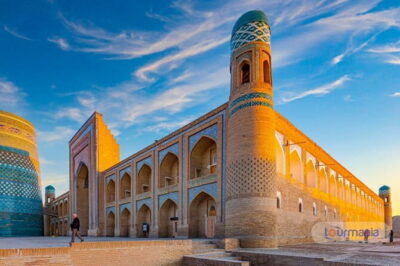
Khiva’s old town, Ichan Kala, feels like a time capsule from the Middle Ages, and a guided walk is the smart way to see it without getting turned around. This tour is built around that compact UNESCO-listed core, with a professional guide who can explain what you’re actually looking at.
What I like most is the mix of multilingual guidance and the fact that you can choose which monuments to spend time on. I also appreciate that the tour includes guide time and fees, while keeping the entrance choices flexible.
One thing to consider: monument entry is not included in the price. You should plan on paying at the gates for old town access and specific sites, which one reviewer flagged as 200,000 som per person.
Key things to know before you go
- Ichan Kala is UNESCO-listed, and the tour focuses on that original, intact old town footprint
- Over 10 minarets, over 20 madrasas, and around five mosques and saint mausoleums are part of what you’ll interpret on the walk
- You pick the monuments, because entrance fees are not bundled into the tour price
- Your guide can speak German, Russian, English, and French, so you’re less likely to lose details in translation
- Lunch and a viewpoint from an observation tower are part of the promised experience
- Private, group-based touring means it’s just your group, not a huge crowd funnel
Why Ichan Kala is perfect for a guided walking tour
Khiva is one of those places where you can technically wander on your own, but you will miss the why. The streets in Ichan Kala are dense with architecture, symbols, and names that mean something to locals and historians. With a guide, you don’t just see buildings. You learn how they functioned and what power, faith, and everyday life looked like.
I like that this tour is designed for a single half day. You get enough time to walk the key areas, understand the big picture, and still enjoy the feeling of being inside an old city that hasn’t been replaced by modern replicas. And because Ichan Kala is accepted to the UNESCO world heritage list, it carries a special weight. You’re not guessing what matters. The guide points it out.
Another reason a walking tour works here is the sheer concentration of landmark types. Ichan Kala is often called the City of a Thousand Minarets, and the numbers provided for the old town are striking: more than 10 minarets, more than 20 madrasas, plus mosques and saint mausoleums. That kind of density is where a guide earns their fee.
More Walking Tours in Khiva
- Khiva: Historical City Highlights Guided Walking Tour
★ 4.8 · 156 reviews - Khiva Historical City Highlights Guided Walking Tour
★ 5.0 · 30 reviews - Khiva Walking Tour
★ 4.7 · 22 reviews
Price, fees, and the real cost of admission
Let’s talk money in a straight way.
The tour price is $25, and it includes a professional guide plus all fees and taxes. That sounds great, and it is good value for the guided portion. Where you need to adjust expectations is that entrances to monuments are not included.
So, for your total day budget, think “tour fee plus entry fee.” One reviewer warned you should pay 200,000 som per person at the entrance to the old town. Even if your exact amount ends up different, the lesson is the same: bring cash or be ready to handle on-site payment, and don’t assume the $25 covers entry.
Also, because entrance fees are not bundled, you effectively control your spending. Want to focus on the main complex areas and skip a couple of side sites? You can. Want more stop time for the structures related to education and religion? You can choose that too.
If you’re trying to keep costs down, this setup can be better than a fixed-price bundle. If you want maximum certainty, it’s worth clarifying the planned monument stops with your guide before you start.
Getting there at the Ichan Kala west gate, and how the 4 to 5 hours feel
The meeting point is the Ichan Kala west gate (99H4+CRQ, Khiva, Xorazm Region, Uzbekistan). The activity ends back at the meeting point, so you’re not dealing with transport logistics after the walk.
The duration is listed as about 4 to 5 hours. In practice, the pace of a walking tour in an old walled city can shift based on how often you stop for photos, how quickly you decide on monuments, and how much you want to ask. One review said three hours was a perfect time frame, which tells you that the tour can feel flexible inside that half-day window.
Pickup is offered, so you might not need to start at the gate on your own. One reviewer reported their guide, Moxira, met them right on time at their hotel. If you want a smoother start, ask about pickup and confirm the exact timing so you’re not hunting around the neighborhood.
Practical tip: I’d arrive with comfortable shoes and a light layer. The walking is the point, and you’ll want to stay mobile so you can actually enjoy choosing monuments instead of hurrying between them.
Your main stop: Ichan Kala, the open-air museum in one walk
This tour is built around one big focus: Ichan Kala. If you want a clear mental model, think of it as an open-air museum where the architecture teaches the story. And this is not just poetic branding. Ichan Kala is described as the City as 1001 Nights of Shahrazad and as the most authentic city in Central Asia, with the added credibility of UNESCO status.
Here are the themes your guide should help you connect as you walk:
More of Khiva worth pencilling in
- Excellent Private Walking Tour in Khiva!
★ 5.0 · 14 reviews - Guided walking tour in Khiva
★ 4.8 · 12 reviews - Khiva: City Highlights Guided Walking Tour
★ 4.6 · 3 reviews - Samarkand: Historical Monuments Guided Walking Tour
★ 4.8 · 446 reviews
Architecture that signals power: the Khan residences
Ichan Kala includes two Khan’s residences. Even if you don’t know the names, your guide can show you how ruler authority was expressed through design, layout, and the way certain buildings relate to the city’s main movement paths. This is a big part of understanding Khiva, because it explains why certain spaces feel more formal, more protected, or more central.
Minarets as a landmark language
The old town has more than 10 minarets. Minarets in this region aren’t just decoration. They’re part of how a city announces itself, organizes religious life, and marks the skyline. A good guide helps you spot what you’re looking at and explains why different minarets might feel different in style or prominence.
Madrassas as education and status in stone
The tour references more than 20 madrassas. Madrassas weren’t only schools. They were institutions tied to learning, reputation, and patronage. As you move through the walk, you’ll have the chance to connect the buildings to social history rather than treating them as separate tourist stops.
Mosques and saint mausoleums, where faith becomes visible
There are about five mosques and mausoleums of saints mentioned in the tour description. This is where the city’s spiritual side becomes tangible. The guide can help you understand how religious spaces functioned and why visiting them mattered to people at the time the city was active.
The value of choosing monuments yourself
This tour has a built-in flexibility that I really appreciate. Since entrance fees are not bundled, you can decide your monument priorities on the ground with your guide. That means if your group wants more time on certain categories, like religious sites or educational buildings, you can shape the walk.
The downside of this setup is simple: you must participate in the choices. If you prefer someone else to make every decision, you’ll want to be explicit early. Say what you want to prioritize, and ask what you can skip.
The lunch break and the observation tower views
One part of the experience that’s easy to overlook in planning is the downtime. The tour description promises lunch and time for views from an observation tower. That matters because Ichan Kala walking can get intense, especially when you’re stopping often for explanations.
The lunch break also gives you a chance to reset and ask follow-up questions while you’re not constantly stepping forward. I like tours that keep the mind fresh, not just the legs.
And then there’s the viewpoint. From an observation tower, the value is perspective. The details you saw up close start making sense as a whole city. You get to see how the minarets and domes distribute across the walled area, and the scale becomes real.
Guide languages, and how to make the Q&A work for you
The guide speaks German, Russian, English, and French. In the included list, the languages are listed as en, ru, fr for the professional guide. Either way, the big point for you is language access. You’re more likely to get clear explanations, especially when the guide is pointing out specific architectural features.
One of the strongest praise points from the reviews is the quality of explanation. People liked that their questions got answered and that the guide tied palaces and madrasas to their historical and cultural significance.
A standout example is Moxira. She grew up in Ichan Qala, and her parents still live there. That kind of local familiarity often shows up as more than facts. It becomes tone. She can explain what visitors often miss, because she knows how the city lives when you’re not just passing through.
At the same time, there’s a caution from one review about pace. One person felt the guide was pushy and in a hurry, spending time greeting other guides. That doesn’t mean the tour is consistently like that, but it does suggest you should set expectations early.
If you care about photos or slower walking, say so at the start. If your group has needs, ask at the beginning rather than trying to negotiate mid-walk. Guides are managing timing, and clear signals help.
Who this Khiva walking tour fits best
This is a good fit if you want:
- A focused half-day plan in Ichan Kala without building your own route from scratch
- A guide to connect architecture to social history and how religious and educational institutions worked
- Flexibility to choose monuments rather than being locked into a rigid script
- A multilingual guide so your group isn’t stuck with basic, secondhand explanations
It may be less ideal if:
- You hate decision points. Choosing monuments means you participate, not just follow.
- Your group wants maximum independence. You’ll have more freedom if you’re happy paying for entry on your own and reading signage without guide help.
My take: is $25 worth it?
For most people, yes, because the core value is the guided interpretation of a very compact, dense site. Even after you add entrance fees, you’re still buying time with a professional guide who can translate what you see into context.
The only financial twist is that monument entry is not bundled. If you’re careful with your choices, that can be a benefit, not a drawback. If you show up expecting the $25 to cover everything, you’ll feel surprised.
So, if you want a structured way to understand Ichan Kala in one day, and you’re comfortable paying entrance fees separately, this is good value.
FAQ
FAQ
How long is the Khiva walking tour?
The duration is listed as about 4 to 5 hours.
What languages does the guide speak?
The tour description says the guide speaks German, Russian, English, and French.
Is there a pickup option?
Pickup is offered, though the listed start point is at the Ichan Kala west gate.
Are monument entrance fees included in the $25 price?
No. Entrance to monuments is not included, and entrance fees are not bundled with the tour.
Where do we meet for the tour?
You start at the Ichan Kala west gate (99H4+CRQ, Khiva, Xorazm Region, Uzbekistan), and the tour ends back at the meeting point.
Is this tour private or shared with other groups?
It is private, so only your group participates.
What is the cancellation policy?
You can cancel for free up to 24 hours in advance for a full refund.
Should you book this Khiva walking tour?
Book it if you want to see Ichan Kala in a smart, guided way and you’re happy to choose monuments with your guide instead of being forced into a fixed route. The guide languages and the interpretation of palaces, madrasas, mosques, and minarets are exactly what turn the old town from scenery into understanding.
Skip it or at least double-check your expectations if you hate extra decision-making or if you’re on a tight budget that doesn’t allow for separate entrance fees at the gates. If you do book, confirm pickup details if you need them, and plan for entry costs so the day feels smooth, not complicated.
Latest reviews out of Khiva
- Khiva: classic Half-Day Tour★ 3.7 · 3 reviews
- Khiva: City Highlights Guided Walking Tour★ 4.6 · 3 reviews
- Master Class – Uzbek Bread (Khiva)★ 3.5 · 4 reviews
- Traditional Khiva Cooking Class with Market Visit & Lunch★ 5.0 · 4 reviews
- Old Khiva Stories with Your Local Guide★ 5.0 · 5 reviews
- A Night In The Kyzylkum Desert [2] From Khiva★ 4.5 · 3 reviews
- Khorezm Fortress and KyzylKum Desert Private Tour★ 5.0 · 3 reviews
- Kunya Urgench Day Tour from Uzbekistan★ 1.3 · 3 reviews
Khiva Tours, compared.
Transfer: Bukhara – Khiva via Ancient Fortresses
Read our review →
Khiva Historical City Highlights Guided Walking Tour
Read our review →
Private Daytrip to 7 Ancient Fortresses of Khorezm
Read our review →
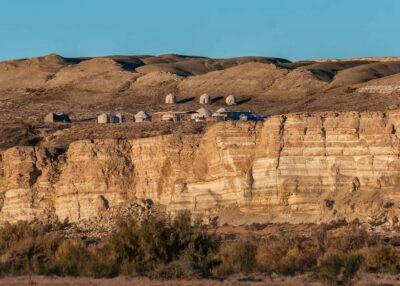
From Khiva To Aral Sea 2-Days One Night In Yurt Stay
Read our review →Browse the lists this tour appears in