
Reviewed · KHIVA TOURS
Tranfer Khiva – Bukhara via Ancient Fortresses
A normal transfer between Khiva and Bukhara is just transportation. This one is different because it threads a day-trip of Khorezm Oasis fortresses into the route. You end the day with a new sense of why this region built so many defensive cities.
I particularly like two stops: Toprakkala, tied to the earliest evidence of Khorezm statehood and city planning, and Ayazkala, a remote fortress complex designed to guard the oasis edges from northern raids. The result is not just sightseeing, it is a logic lesson you can walk through with your feet.
One consideration: it is a long 9-hour day. You will also pay small entrance tickets per monument (usually around 1 to 2 USD each), so the final cost is a bit more than the base transfer price.
Key things to know before you go
- Private A/C vehicle with door-to-door pickup, from Ata darwaza (West gates) in Ichan Kala, or from your hotel
- Three fortress stops that tell a connected story: Toprakkala, Kizilkala, and Ayazkala
- Fortress names with meaning, like Toprakkala as Clay Fortress and Ayazkala as Severe Frost Fortress
- A practical lunch stop along the road, plus time to linger at each site
- Small entrance fees not included, typically 1 to 2 USD per monument per person
- English and Russian driver, with a private-group pace that feels unhurried
Fortress Road Trip Value: turning travel time into real context
When you plan a route from Khiva to Bukhara, you usually choose either speed or experience. This trip aims for experience without turning your day into chaos.
The big advantage is that you do not just travel out of Khiva, you travel through the reasons the Khorezm Oasis mattered. In ancient times there were so many forts here that the region was described with the idea of 50 fortresses (Ellikkala). That is why these sites feel less like random ruins and more like a connected defensive system you can picture as you move between them.
You get a private transfer, so the schedule works around your group. That matters because many people do not want the stress of coordinating buses, translating on the fly, and rushing through fragile sites.
The other value is the mix of context plus photo-friendly ruins. I like that the stops are spaced in a way that keeps the story moving: early capital evidence first, garrison-style defense next, then a colder, harsher edge-of-the-oasis fortress. You finish the day with a clearer mental map.
Other desert fortresses on the same road:
- Transfer: Bukhara – Khiva via Ancient Fortresses
★ 4.5 · 101 reviews - Daytrip From Khiva To Ancient Fortresses
★ 4.6 · 60 reviews - Ayazkala, Toprakkala & Kizilkala Fortress Tour From Khiva
★ 4.3 · 33 reviews
Pickup in Khiva: start at Ata darwaza or your hotel
Your day begins at Ata darwaza (West gates) of Khiva, inside the Ichan Kala area. If that is not convenient, hotel pickup is allowed, which is the kind of detail that saves time and nerves when you are already dealing with tight historic-street navigation.
Either way, you should plan to be ready a few minutes early. The pickup timing is set, and you wait in the hotel lobby or at the pickup point for about five minutes before you join the vehicle.
This is one of the reasons the experience works well for small groups. You do not lose half your morning finding a meeting point. You simply roll.
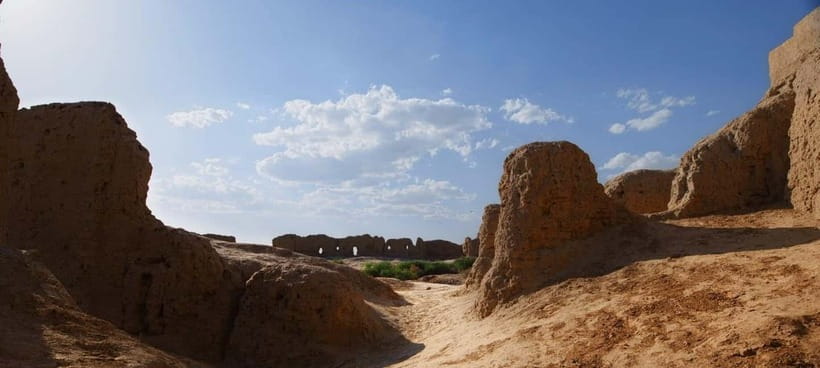
Toprakkala Clay Fortress: the first capital feeling
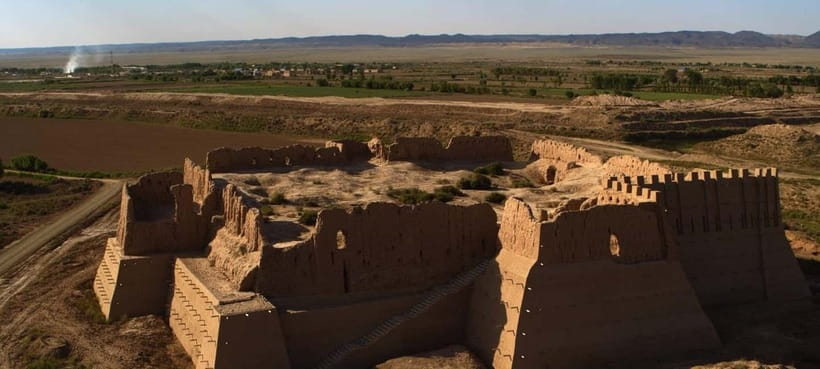
Toprakkala is not just another mud-brick mound. It is presented as the first capital of Khorezm, and the meaning of its name, Clay Fortress, hints at the materials and the era you are seeing.
This stop is also where the evidence gets interesting in a very practical way. You can learn that first examples of city planning were found here. That is not a vague claim, it matters because it suggests organization beyond scattered settlement. You are looking at a place connected to statehood in the 4th century A.C.
You also get the sense of why written sources matter here. The site has findings described as Khorezm calendar materials and plaster statuettes of singers. Even if you do not read the script of the day, you still understand this was a cultural center, not only a wall-and-gate kind of place.
How to enjoy it:
- Take your time with the layout. Even ruins show patterns if you slow down.
- Use your camera early. If you wait, you tend to rush and miss the best angles of the fortifications.
A small practical note: entrance tickets are not included, so expect to pay at least for this and the other monuments. The amounts are low, but it is good to know upfront.
Kizilkala Red Fortress: a garrison stop with a color story
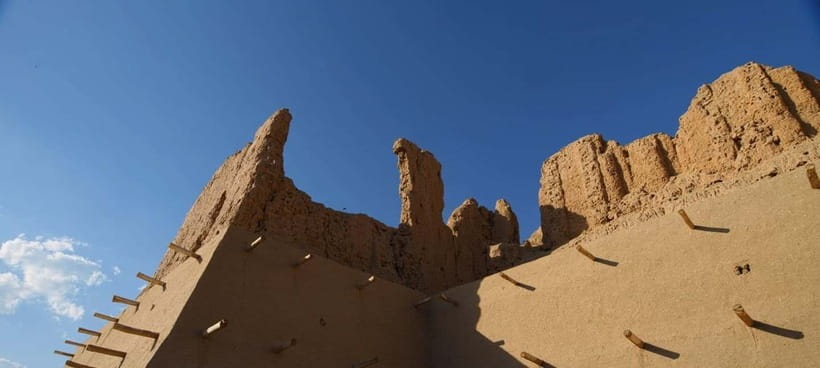
Between Khiva and Bukhara, the route includes Kizilkala, also called the Red Fortress. The name comes from the color of the clay, which is exactly the kind of detail that makes ruins feel less anonymous. You are not only seeing shapes, you are seeing materials that locals noticed and named.
This fortress is described as a garrison fortress of the oasis. That word garrison is the clue to how you should look at the site. Instead of thinking of it as a grand capital, imagine it as a functional defense point. Fortresses like this helped manage risk and movement across the oasis edges and the roads that mattered for trade and travel.
It also fits the regional theme. Khorezm’s fortification network was extensive, so you get a chance to see how different forts served different roles. Kizilkala feels like the middle chapter in that logic: defense that supports the system, not necessarily the system’s administrative heart.
If you are the type who likes to connect history to geography, this is a good moment to do it. Stand back a bit and try to visualize how a smaller fortress supports a larger defensive landscape.
More of Khiva worth pencilling in
- Khiva: Historical City Highlights Guided Walking Tour
★ 4.8 · 156 reviews - Aral Sea Adventures (2 day)
★ 5.0 · 30 reviews - Khiva Historical City Highlights Guided Walking Tour
★ 5.0 · 30 reviews - Master Class – Shivit Osh Traditional Food Of Khiva
★ 4.2 · 27 reviews
Ayazkala Severe Frost Fortress: remote, protected, and built for raids
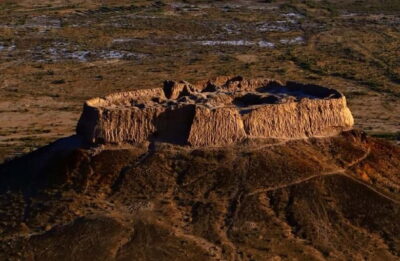
Ayazkala is one of the more important oasis fortresses, and it is also one of the more remote. That remoteness is part of why the site feels special.
The fortress is described as having three parts. You can use that as your guide while you walk. Instead of seeing one lump of ruins, you can hunt for structure and repetition, almost like different sections were assigned for different needs.
The name Ayazkala is given as Severe Frost Fortress. This is not a poetic flourish. The idea is that you understand the name when you visit in winter, because the cold of the steppe can be brutal. Even if you are there in a milder season, the lesson is still useful: this was not only a construction for summer comfort. It was built for a harsh environment and a real threat environment.
The defensive purpose is also clear. Fortresses were built around the perimeter of the oasis borders to protect against raids of nomads from the north. If you keep that in mind while looking around, the walls and the organization start to make more sense. You are not just seeing “old stuff,” you are seeing a planned response to pressure.
How to plan for Ayazkala:
- Wear comfortable shoes, because you will be moving across uneven ground.
- In winter, plan warm clothing. The cold is part of the site’s story here.
The road portion: desert timing, lunch stop, and staying comfortable
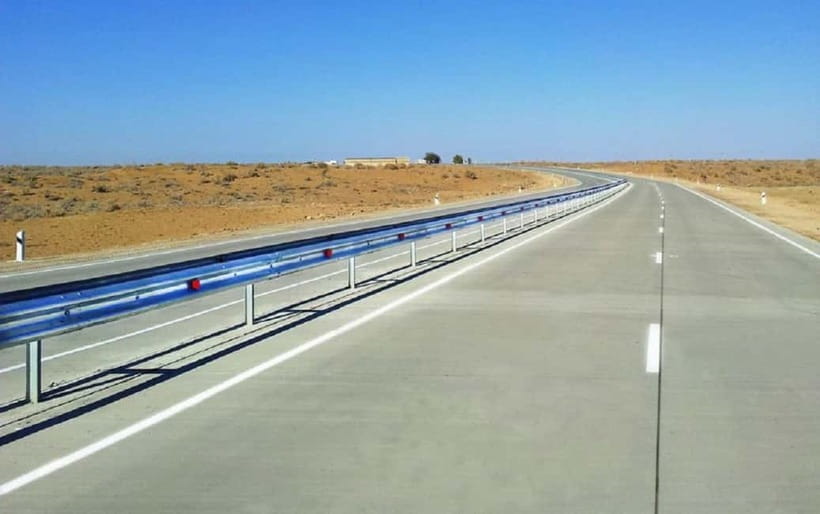
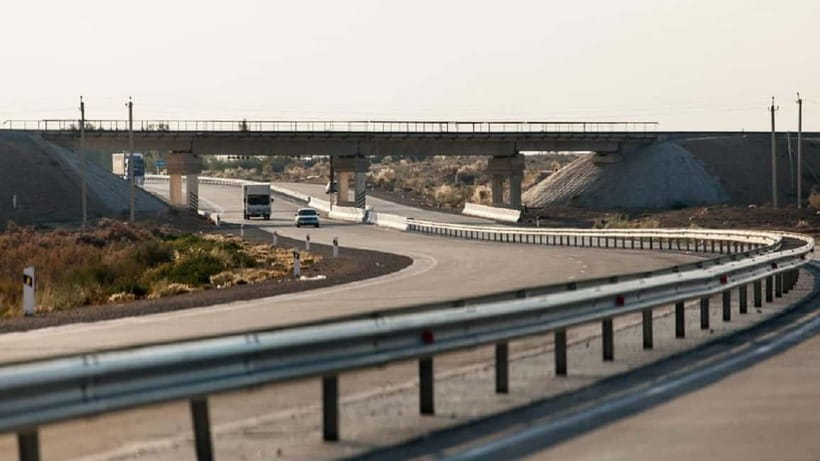
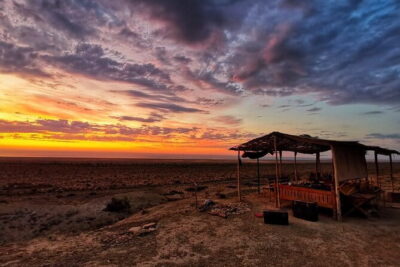
After the fortresses, the day continues toward Bukhara. The route is described as passing through the Kizilkum Desert, so you should expect wide-open views and a long stretch of transfer between sites.
This is where a private A/C vehicle earns its keep. In a day like this, comfort helps you enjoy the stops more, not less. You are not scrambling, and you are not baking in the sun to get from one ruin to another.
There is an estimated stop for lunch along the road. The program does not specify that lunch is included in the price, and you should not plan on eating inside the vehicle. The vehicle rules also say no food and no drinks in the car, so treat lunch as a real stop, not a snack-between-ruins situation.
A smart tip for the practical traveler: bring a simple layer plan for temperature shifts. You might start cooler, then warm up during driving, then feel the chill again during your fortress walk.
Driver and language: private pace with English and Russian support
The driver is listed as speaking English and Russian. In reality, communication can vary by individual, but the purpose is the same: you should be able to ask basic questions and handle the flow of the day without confusion.
In some cases, drivers have been described as speaking only a little English but still enough to communicate and keep you comfortable. Another driver style has been described as very kind and helpful. Either way, you should expect a careful, safety-minded drive. One of the common themes in the experience is that people felt the driving was prudent.
Because it is private, you also have flexibility. If you want to slow down at a site for photos, you are not trapped behind a group pace you did not choose.
Price and what you actually get for $180 per group
The price is $180 per group up to 3 for a 9-hour private experience. That pricing structure can be surprisingly good value if you are traveling as a couple or a small family unit.
Here is why it works:
- You are paying for a private A/C vehicle, not a shared bus.
- You are getting pickup and drop-off, not only a “meet here” point.
- You are covering multiple fortress entries in one day-trip format, which saves time compared with trying to piece together transport plus guided stops.
Entrance tickets are not included, so budget a little extra for the monuments. The amounts are small (about 1 to 2 USD per monument per person), but it is still money to plan for.
Also note that the program rules mention no drinks and no food in the vehicle. That is not a deal-breaker, it just means you should plan lunch and water breaks as proper stops during the day.
Overall, I think the value comes from converting a transfer day into a structured route. If you are already going to travel from Khiva to Bukhara, you might as well turn that time into a story you can see with your eyes.
Who should book this fortress transfer (and who might not love it)
This tour style fits best if:
- You want a direct but meaningful day between Khiva and Bukhara.
- You like stepping beyond the main city sights into the outer world of fortresses.
- You travel in a small group and want privacy rather than a bigger tour dynamic.
- You appreciate sites with explanation tied to function, like garrison roles and oasis defenses.
You might not love it if:
- You hate long car time. This is a full day, and it includes a transfer plus multiple walks.
- You prefer free time over a fixed route. The order is set, with only walking and linger time at stops.
If you are a museum-and-ruins person, you are going to like the fortress theme because it teaches you how the region organized itself in harsh conditions. If you are more of a city-explorer, you will still enjoy it, but you should expect the day to be focused on ruins rather than bazaars or big monuments.
Simple packing checklist for a wintry or windy day
Bring:
- Comfortable shoes
- Camera
- Comfortable clothes
If you are visiting in colder months, warm clothing matters more than usual here because Ayazkala is explicitly tied to severe frost conditions. Also keep in mind the route includes desert road segments, so wind and temperature changes are part of the reality.
Plan your water strategy too. The guidance is to stay hydrated and bring your own water, but the vehicle rules ask you not to have drinks inside. So carry it, then use it during stops.
Should you book this Khiva to Bukhara fortress transfer?
I would book it if you are trying to make your Uzbekistan time feel connected, not segmented. This is a smart way to turn a travel day into an education on why Khorezm built so many forts and how those forts worked together.
I would hesitate if your schedule is tight or if you want a pure transfer with no extra stops. The value comes from the three fortress sequence, and that takes time.
If you do book, aim to go in with a simple mindset: do not just photograph walls. Picture the threats and the roles, then your photos start to tell a story too.
FAQ
How long is the transfer day from Khiva to Bukhara?
The experience lasts 9 hours, designed as a day trip with fortress visits and then arrival in Bukhara for hotel drop-off.
Where do I get picked up in Khiva?
Pickup is from Ata darwaza (West gates) of Khiva in Ichan Kala. Hotel pickup is also allowed.
Which fortresses are included on the route?
You visit Toprakkala, Kizilkala, and Ayazkala fortresses, in that general order on the way to Bukhara.
Are entrance tickets included in the price?
No. Entrance tickets are not included. The cost is listed as about 1 to 2 USD per monument per person.
Is lunch included?
There is an estimated lunch stop along the road. The tour rules also state that food is not allowed in the vehicle, so lunch is treated as a stop rather than a vehicle meal.
What languages and vehicle comfort options are included?
The driver speaks English and Russian. The transfer uses an A/C vehicle and is available for a private group.
Latest reviews out of Khiva
- Khiva: classic Half-Day Tour★ 3.7 · 3 reviews
- Khiva: City Highlights Guided Walking Tour★ 4.6 · 3 reviews
- Master Class – Uzbek Bread (Khiva)★ 3.5 · 4 reviews
- Traditional Khiva Cooking Class with Market Visit & Lunch★ 5.0 · 4 reviews
- Old Khiva Stories with Your Local Guide★ 5.0 · 5 reviews
- A Night In The Kyzylkum Desert [2] From Khiva★ 4.5 · 3 reviews
- Khorezm Fortress and KyzylKum Desert Private Tour★ 5.0 · 3 reviews
- Kunya Urgench Day Tour from Uzbekistan★ 1.3 · 3 reviews
Khiva Tours, compared.
Transfer: Bukhara – Khiva via Ancient Fortresses
Read our review →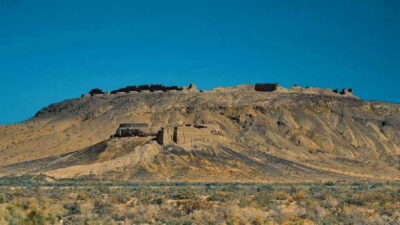
Khiva Historical City Highlights Guided Walking Tour
Read our review →
Private Daytrip to 7 Ancient Fortresses of Khorezm
Read our review →
From Khiva To Aral Sea 2-Days One Night In Yurt Stay
Read our review →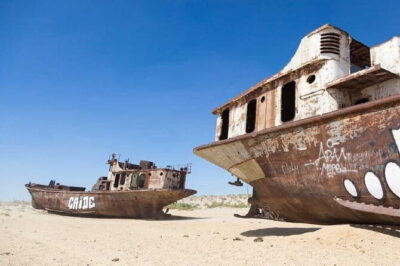
Daytrip From Khiva to Aral Sea Cemetery Of Ships . All In One
Read our review →Browse the lists this tour appears in