
Reviewed · KHIVA TOURS
Transfer: Bukhara – Khiva via Ancient Fortresses
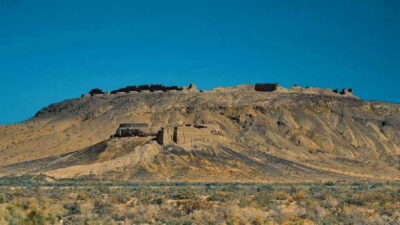
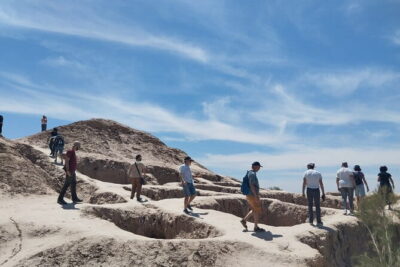
A private transfer from Bukhara to Khiva turns into a full day of fortress exploring, not just long hours in a car. You stop at Khorezm Oasis sites where the layout, the clay colors, and the defensive design help you picture how people lived and protected what mattered.
I like two things a lot. First, the itinerary is built around Toprakkala, Kizilkala, and Ayazkala, not generic roadside stops. Second, you get a real driver experience, and I saw names like Pavlik, Jasur, Ali, and Ulugkbek showing up in reviews for safe driving and clear explanations.
The main thing to consider is the pace: it is a 9-hour day that mixes driving with outdoor walking in open sites. Bring warm layers if you go in winter, and wear shoes you can trust for uneven ground.
Key highlights worth caring about
- Toprakkala Fortress connects directly to early statehood clues, including finds tied to city planning and written records.
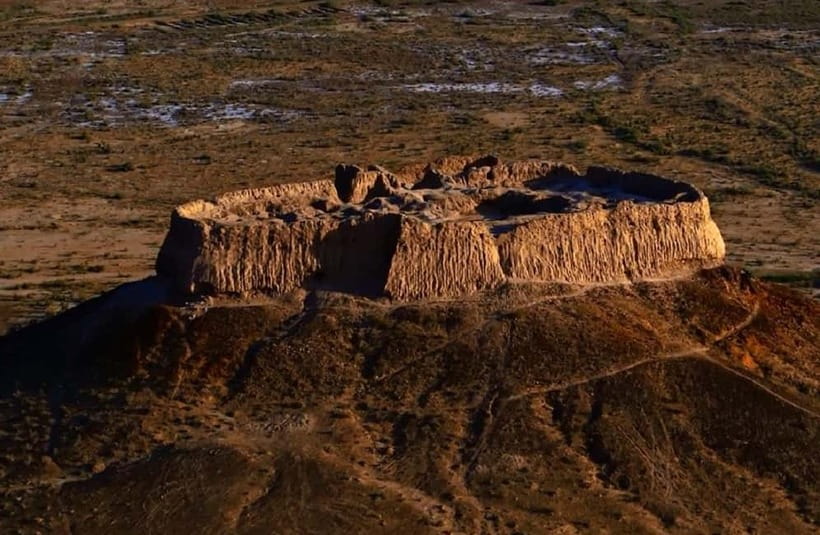
- Kizilkala, the Red Fortress is a garrison-style stop, and the clay color is part of the story.
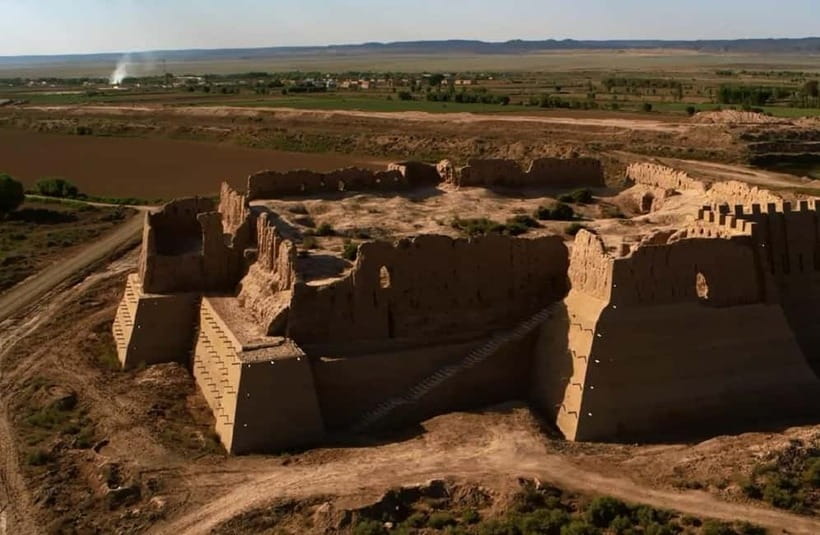
- Ayazkala Fortress is described as having three parts, built along oasis borders to protect against northern raids.
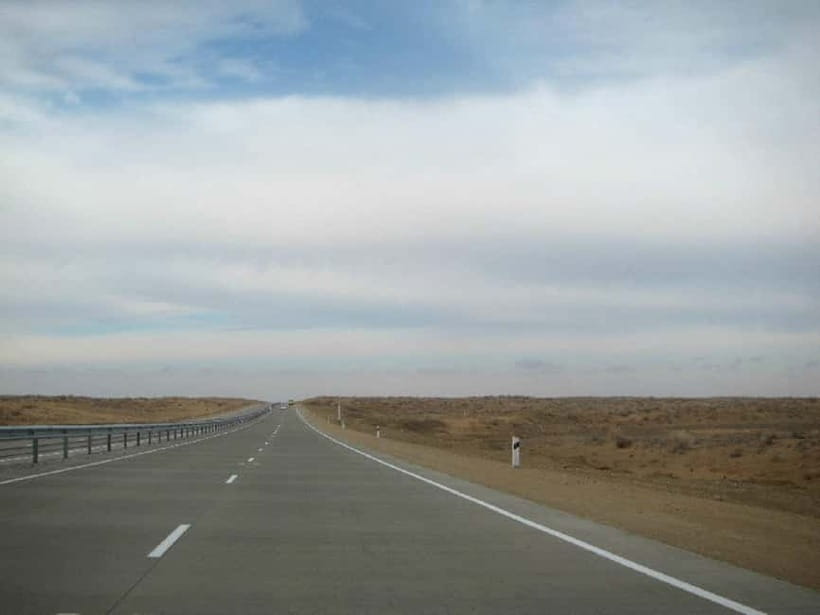
- Kizilkum Desert scenery shows up as part of the route, so the drive has visual payoff.
- Private group comfort means A/C transport and a small group setup, with drivers who often explain what you are seeing.
A transfer that feels like a fortress road trip
If you already have Bukhara and Khiva on your list, this kind of day trip is smart. You get from point A to point B, but you also gain context for Khiva and the Khorezm region by visiting the oasis defenses that shaped the area.
The feeling is practical and grounded. You are not chasing a theme park version of “ancient.” You are stopping at archaeological fortresses where the setting matters, because the ruins sit in the open and you can sense how distance and visibility would have mattered in the past.
Other desert fortresses on the same road:
- Daytrip From Khiva To Ancient Fortresses
★ 4.6 · 60 reviews - Ayazkala, Toprakkala & Kizilkala Fortress Tour From Khiva
★ 4.3 · 33 reviews - Guided Tour To Old Fortresses
★ 5.0 · 25 reviews
Price and value for a group of up to 3
The price is $160 per group (up to 3 people) for a total duration of 9 hours. That works out best when you travel with friends or family, because it keeps the cost per person reasonable for a private car plus three fortress visits and all fees and taxes.
One catch to budget for: entrance tickets are not included. The estimate given is about $1 to $2 per monument per person, so you will likely pay a small add-on once you arrive at the sites. Still, compared to booking a separate transfer and separate site visits, this bundle usually feels like better math.
The day’s route: Bukhara to Khiva via Toprakkala, Kizilkala, Ayazkala
The flow is straightforward: pick-up in Bukhara, drive toward Khiva while stopping at ancient fortresses, then transfer into Khiva and drop you at your hotel.
The route is timed as a “full day of exploration.” You will see multiple fortress complexes across the Khorezm Oasis, which helps you understand the region as more than one famous city. It also reduces the stress of planning your own stops when you are traveling between two busy Uzbek hubs.
Here is how the stops connect conceptually. Toprakkala anchors the story with early capital-like importance. Kizilkala gives you a garrison fortress angle, like the supporting layer of defense. Ayazkala then shows the stronger, more organized oasis border fortification idea.
Toprakkala: the Clay Fortress that points to early statehood
Toprakkala is the big first stop, and it is not just “old ruins.” The name is tied to the idea of a Clay Fortress, and it is described as the first capital of Khorezm.
What makes this stop especially interesting is the type of finds reported for the site. You are told about early evidence of city plan concepts, and it is framed as proof of statehood dating back to the 4th century A.C. That is the kind of detail that changes how you look at the ground, because you start trying to imagine layout and organization instead of only chasing dramatic photos.
You also hear about early written sources connected to Khorezm, including a calendar and plaster statuettes of singers. Even if you are not an archaeology nerd, those specific items make the place feel human. It is not only defensive walls and rubble. There were records, art, and daily structure behind the name.
Practical note: plan for outdoor time. You are walking around fortress remains, so comfortable shoes matter more than fashion.
More of Khiva worth pencilling in
- Transfer from Khiva to Bukhara by Fortresses
★ 5.0 · 11 reviews - Private Transfer & Photo‑Stops: Ayaz‑Kala & Toprak‑Kala”
★ 4.6 · 6 reviews - Private Transfer from/to Tashkent Airport
★ 4.5 · 14 reviews - Private Bukhara-Khiva Transfer via Ancient Fortresses
★ 4.5 · 8 reviews
Kizilkala and the Red Fortress story on the way
Kizilkala, often called the Red Fortress, is a garrison fortress stop along the route. The explanation given is simple and visual: because of the color of the clay, it became known as the Red Fortress.
I like this kind of stop because it balances the day. Not every site has to be the most famous. A garrison fortress helps you picture how the oasis system worked as a network, where different forts supported each other across distances.
If you enjoy “how things worked” thinking, Kizilkala is a good place to shift your mindset. Instead of asking what a ruler did, you start asking how defenders were stationed, supplied, and protected.
The route also includes Kizilkum Desert scenery as part of the overall travel corridor. You may notice how the drive itself feels like part of the story, because the openness around you helps you understand why protection and visibility would have mattered.
Ayazkala: the Severe Frost Fortress that protects the oasis borders
Ayazkala is one of the most important fortress stops on this route. The name is linked to the idea of a Severe Frost Fortress, and the explanation is built around winter conditions on the steppe.
The tour description says you will learn why that name makes sense by visiting in winter, when cold becomes one of the harshest factors. Even if you do not go in the coldest season, it is still useful because it reframes the fortress as more than architecture. It is also about surviving weather, travel, and raids.
Ayazkala is described as having three parts, and it is tied to a defensive plan built around the perimeter of the oasis borders. The goal was protection against raids of nomads from the north. That detail is key, because it tells you what the fortifications were “for,” instead of leaving you guessing.
One thing I appreciate here: it is described as remote but well organized and protected. That combination makes the site feel like a system, not a random pile of stone.
Bring warm clothing if you visit in winter. The day includes open-air walking, and the steppe cold can show up fast.
Timing, pace, and what a private group gets you
This is a private group transfer, which changes the feel compared to crowded day tours. You are not forced into a rushed group cadence, and the A/C vehicle helps a lot on a long day of driving.
The duration is 9 hours, and that matters because it shapes what you should expect. This is not a quick culture hit. It is a day where you will be in motion and outdoors, so you should plan to pace yourself.
A key advantage is driver flexibility. Reviews included comments about drivers being friendly, safe, and moderate on the road, with clear explanations. In particular, names like Pavlik, Jasur, Ali, and Ulugkbek came up for strong communication and safety.
Also, the driver languages listed are English and Russian. If you are comfortable with either, you are likely to get more from the stops, because the story pieces are tied to what the guide points out along the way.
Lunch break, hydration, and what the car rules mean
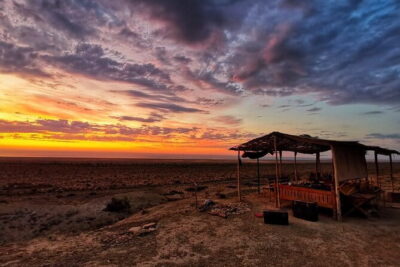
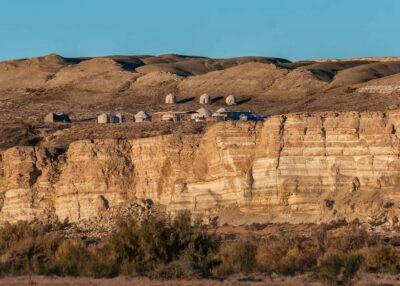
The day includes an estimated stop for lunch on the way. At least one review highlighted a yurt camp lunch, which is the kind of local-style break that makes a long drive feel less monotonous.
Still, it helps to plan like an adult traveler. Bring snacks if you need them outside the included stops, but follow the vehicle rules. The information given states drinks are not allowed in the vehicle, and food in the vehicle is also not allowed.
So yes, you are told to stay hydrated and bring your own water, but you should drink outside the car when possible. Pack water you can access easily during stops, rather than counting on sipping in transit.
What to bring for a comfortable day out
The practical list is short, and it is worth following.
- Comfortable shoes for walking around fortress remains
- Sunglasses for bright open-air conditions
- Comfortable clothes, plus warm layers if you travel in winter
- A camera, because you will have good visual angles at the fortresses and along the route
If you tend to get cold easily, treat this like a steppe day, not a city day.
How to get the most out of each fortress stop
Fortresses can blur together if you treat them like a checklist. I suggest you look for three things as you move through the sites.
First, try to connect the site’s name to its features. Toprakkala is the Clay Fortress. Kizilkala is the Red Fortress. Ayazkala is tied to severe cold. Those naming cues help you remember what you saw.
Second, pay attention to the “why.” Toprakkala is framed with early capital and written record clues. Kizilkala is framed as a garrison fortress. Ayazkala is framed as organized protection along oasis borders. That structure keeps the stops meaningful even when the ruins are quiet.
Third, use your driver’s explanations. Reviews praised drivers for pointing out details and making the long drive more interesting. If your driver speaks your language, you should take advantage of that time in the car.
Who this tour is best for
This works especially well if you:
- Want to make the most of the Bukhara to Khiva transfer day
- Prefer smaller, private experiences over big group tours
- Like archaeological sites and explanations tied to “how people lived and defended”
- Travel in a group of up to 3, so the $160 group price becomes strong value
It is less ideal if you hate long days in a vehicle or if you are not comfortable with open-air walking. This route is built around outdoor fortresses, not indoor museums.
Should you book this Bukhara to Khiva fortresses transfer?
I would book it if you want your transfer to do more than move you across the map. The combination of three fortress stops, a small-group private drive, and clear site-focused explanations makes it a more rewarding day than a straight transfer.
I would skip or rethink if your priority is maximum rest, because the day is structured around a long drive plus multiple outdoor sites. If you are going in winter, I would also be strict about warm clothing and solid shoes, since the descriptions directly point to cold steppe conditions.
In short, if you enjoy seeing how the Khorezm Oasis was organized and defended, this is a strong way to travel between Bukhara and Khiva without wasting the journey.
FAQ
How long is the transfer with fortress stops?
The total duration is 9 hours.
What fortresses are visited?
You visit Toprakkala, Kizilkala (Red Fortress), and Ayazkala.
Is hotel pick-up and drop-off included?
Yes. Pick-up is included from your hotel in Bukhara, and you are dropped off at your hotel in Khiva.
Is this a private tour?
Yes. It is a private group.
What languages does the driver speak?
The driver speaks English and Russian.
What is included in the price?
Included are an A/C vehicle, pick-up and drop-off, visits to the listed fortresses, and all fees and taxes.
Are entrance tickets included?
No. Entrance tickets are not included and are estimated at $1 to $2 per monument per person.
What is the price?
It is $160 per group up to 3 people.
What should I bring?
Bring comfortable shoes, sunglasses, and comfortable clothes. If you are visiting in colder weather, wear warm clothing.
Are drinks or food allowed in the vehicle?
No. Drinks in the vehicle and food in the vehicle are not allowed.
Latest reviews out of Khiva
- Khiva: classic Half-Day Tour★ 3.7 · 3 reviews
- Khiva: City Highlights Guided Walking Tour★ 4.6 · 3 reviews
- Master Class – Uzbek Bread (Khiva)★ 3.5 · 4 reviews
- Traditional Khiva Cooking Class with Market Visit & Lunch★ 5.0 · 4 reviews
- Old Khiva Stories with Your Local Guide★ 5.0 · 5 reviews
- Khorezm Fortress and KyzylKum Desert Private Tour★ 5.0 · 3 reviews
- A Night In The Kyzylkum Desert [2] From Khiva★ 4.5 · 3 reviews
- Kunya Urgench Day Tour from Uzbekistan★ 1.3 · 3 reviews
Khiva Tours, compared.
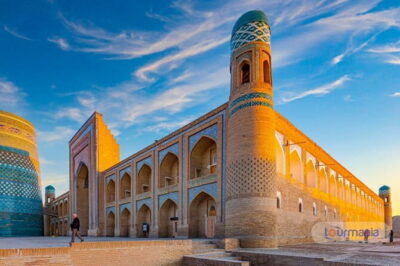
Khiva Historical City Highlights Guided Walking Tour
Read our review →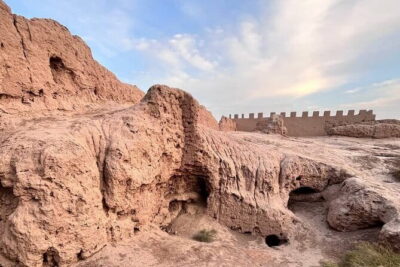
Private Daytrip to 7 Ancient Fortresses of Khorezm
Read our review →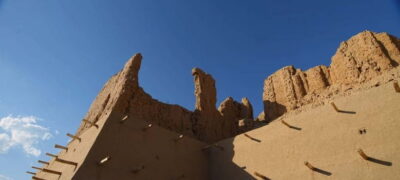
From Khiva To Aral Sea 2-Days One Night In Yurt Stay
Read our review →
Daytrip From Khiva to Aral Sea Cemetery Of Ships . All In One
Read our review →Browse the lists this tour appears in