
Reviewed · BUKHARA TOURS
Bukhara: Full-Day Guided Tour with English-Speaking Guide
This tour works because it ties Bukhara’s biggest sights together in a single day with an English-speaking guide, so you’re not just looking, you’re understanding. I love the way the route starts at the Samanid Mausoleum, one of the oldest monumental sites in Central Asia, and then builds toward the city’s signature mosques and trading structures. You’ll also get time to slow down at places like Lyabi Khauz, where the vibe feels very lived-in and not staged for tourists.
The main thing to plan for is the walking. It’s a full-day loop with a moderate amount of walking, and it is not suitable if you have significant mobility limits.
Key highlights to notice before you go
- Samanid Mausoleum brickwork and symmetry, tied to Ismail Samani and the Samanid dynasty
- Minorai Kalon (Kalon Minaret), a 47-meter landmark with Silk Road caravan stories
- Poi Kalan Mosque with a massive capacity and iconic blue-tiled interior details
- Magok-i-Attari Mosque with a layered past, including an underground entrance
- Tim Abdulla Khan Trading Dome for Silk Road commerce context and handicraft shopping
- Lyabi Khauz plaza and pond life, with tea houses and madrassas nearby
A Full-Day Bukhara Plan That Actually Makes Sense
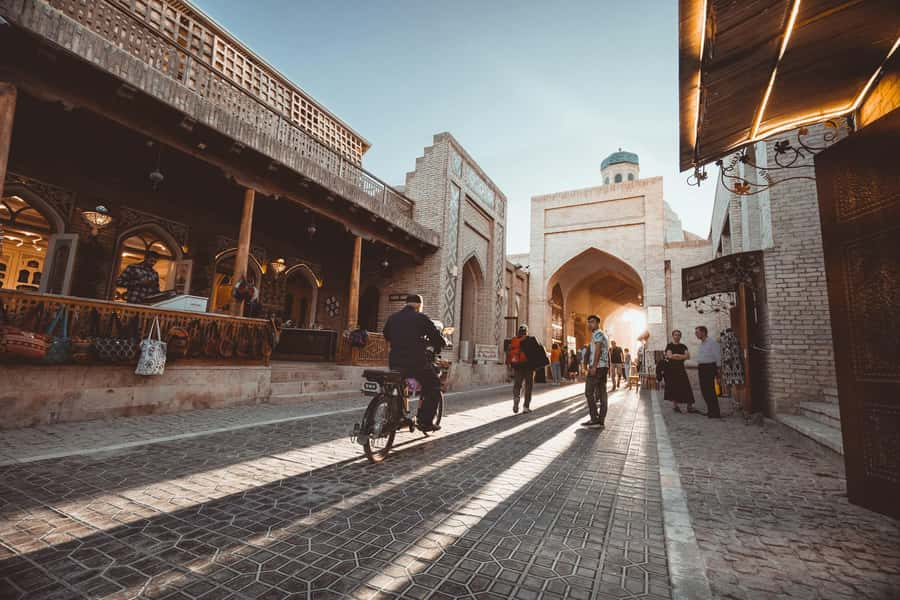
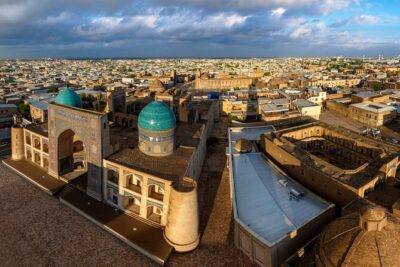
Bukhara is UNESCO World Heritage territory, but the trick is how you experience it. This kind of full-day guided route is valuable because it keeps the timeline straight: old dynasties in stone and brick, then power expressed through minarets and mosques, then trade made physical in domes and market spaces.
You’ll walk through the religious center, the governance symbols, and the marketplace atmosphere without feeling like you’re hopping randomly between far-flung neighborhoods. And because it’s a private tour with a certified guide, you can ask questions and get answers on the spot. In the past, guides such as Lola, Paris, and Malika have been praised for strong English and for sharing practical tips, including where to shop for quality scarves by pointing you toward artisan workshops.
One heads-up: the tour does not include meals or the driver transport during the day. That means you’ll want to plan your timing for lunch or snacks outside monuments and keep your daypack simple.
More of Bukhara worth pencilling in
- Best of Bukhara: All Day Private Old Town Tour
★ 5.0 · 66 reviews - Best of Bukhara: All Day Private Old Town Tour
★ 4.9 · 62 reviews - Bukhara Full Day Old City Private Tour
★ 5.0 · 46 reviews
Where You Start: Labi Khauz and Hodja Nasreddin
You meet near Lyabi Khauz by the Hodja Nasreddin monument. This is a nice choice for a full day because the area is already a central, human-scale meeting spot. You start and end back at the same point, so you avoid the stress of figuring out how to get home after monuments and shopping.
If you want your day to feel smooth, I suggest you begin with two practical moves. First, wear comfortable shoes that handle uneven old-stone surfaces. Second, bring water and sunscreen right from the start, because the walk between sites can add up quickly under strong sun.
Samanid Mausoleum: The 10th-Century Start Point for the Whole City
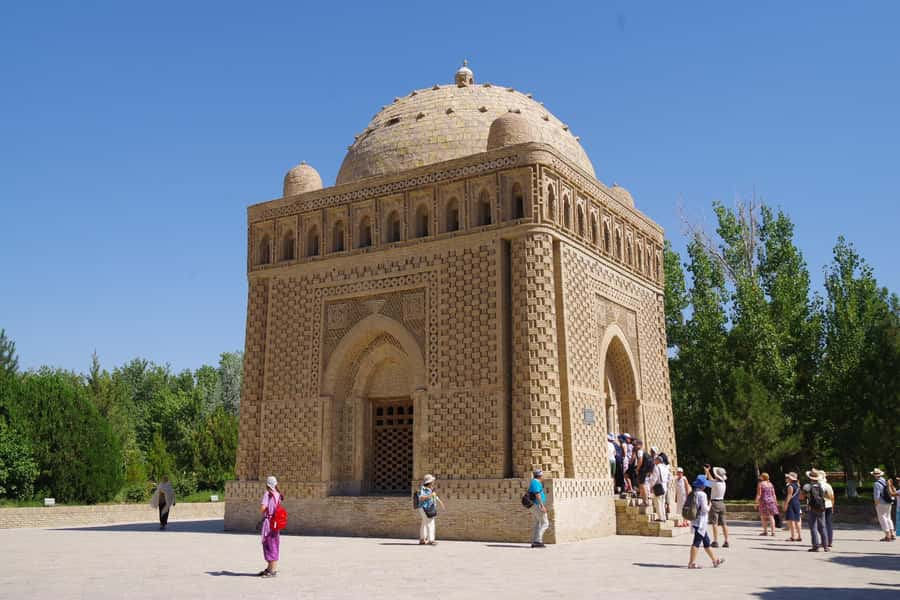
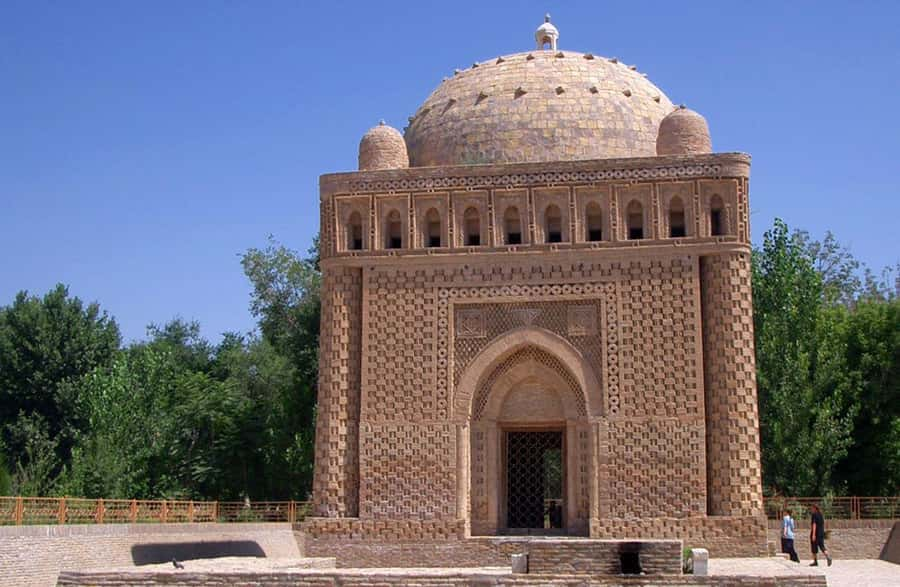
The morning begins at the Samanid Mausoleum, built in the 10th century and associated with Ismail Samani. This is often described as one of the oldest monumental structures in Central Asia, and the reason it matters is simple: it sets a baseline for the rest of what you’ll see in Bukhara.
Look closely at the brickwork and the clean, symmetrical design. A lot of Bukhara’s architecture is about proportion and detail, and this site makes that idea feel immediate. With a guide, you’ll hear the story of how Ismail Samani fits into the Samanid dynasty, which helps you connect later monuments to real people and political eras rather than just dates.
A practical consideration: this is a monument visit, so flash photography is not allowed inside. If you want photos, plan for natural light angles and use your camera normally.
Minorai Kalon and the Poi Kalan Mosque: Power, Height, and Blue Tiles
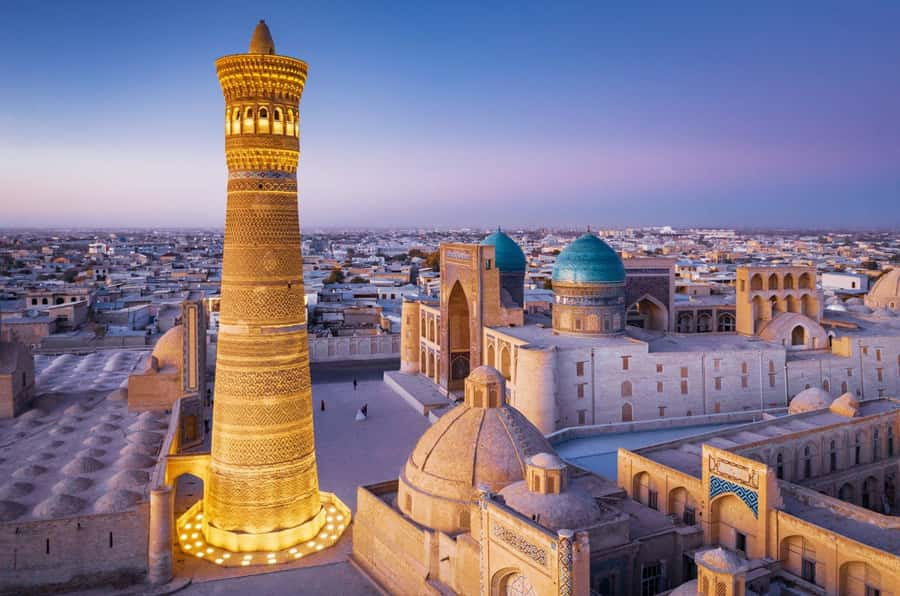
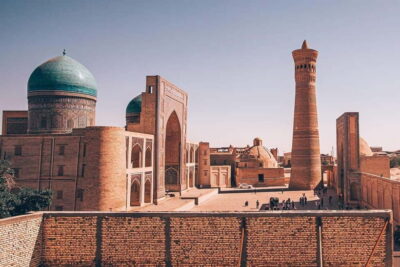
Next up is the Minorai Kalon, also called the Kalon Minaret. It rises about 47 meters tall and dates to the 12th century. What’s easy to miss if you read about it later is how the guide can bring it to life: this minaret once helped guide Silk Road caravans, so it wasn’t just decoration. It was navigation, signaling, and status all at once.
Then you’ll visit the Poi Kalan Mosque, which can hold up to 10,000 worshippers. Step into the courtyard and you’ll understand why capacity matters here. The space is big enough that the architecture is designed to handle crowds, not just single visitors. The guide will point out details like the intricate blue-tiled domes and the elaborately shaped mihrab.
If you like architecture, don’t rush this stop. Spend time looking at patterns and surfaces, not only at the scale. And remember the general rule: no food or drinks inside monuments, so plan any small snack breaks around exterior areas.
An easier afternoon once Bukhara is done:
- Bukhara: Walking Tour with a Small Group
★ 4.9 · 260 reviews - From Bukhara: 2-Day Desert Yurt Camp Tour
★ 4.5 · 57 reviews - City Tour Around Bukhara
★ 5.0 · 55 reviews - Bukhara: Historic Center Guided Sightseeing Tour
★ 4.8 · 44 reviews
Magok-i-Attari Mosque: A Site With Layers Under Your Feet
One of the most fascinating stops is the Magok-i-Attari Mosque. This is a layered site: it originally was a Zoroastrian temple, then converted into a mosque in the 12th century.
The guide’s job here is especially helpful because it changes how you read the building. You’re not just looking at a structure, you’re seeing how religious meaning shifted over centuries. The mosque includes an underground entrance, and that physical descent reinforces the idea that Bukhara keeps past identities close to the present.
A drawback to plan for: underground access can be tricky if you have mobility issues, and the tour overall is not suitable for wheelchair users or anyone with significant mobility impairments. Even if you’re fine on stairs, go slow and wear shoes with good grip.
Tim Abdulla Khan Trading Dome: Silk Road Commerce Made Visible
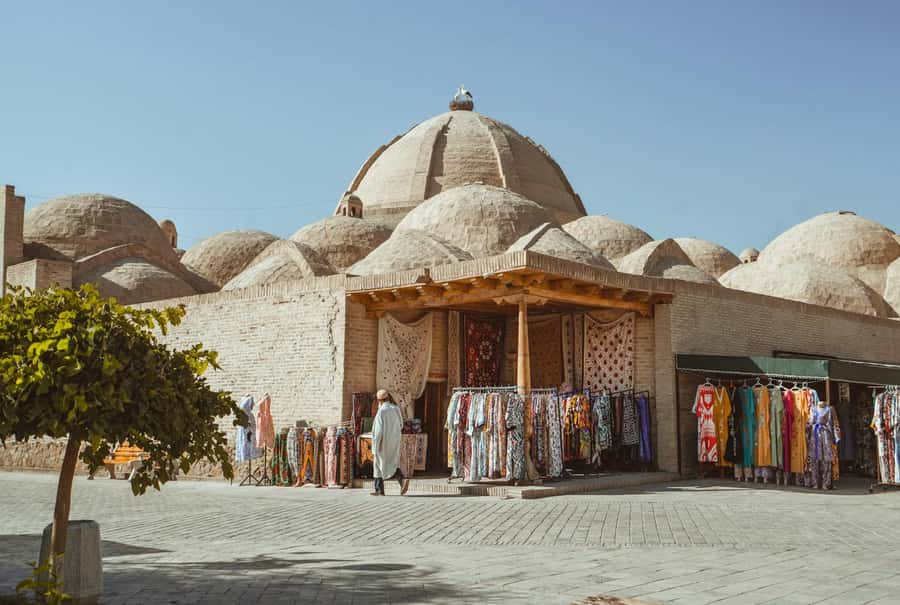
After mosques and mausoleums, the tour shifts to trade with a visit to the Tim Abdulla Khan Trading Dome. This structure remains from the city’s busy Silk Road market life, and the guide explains its role in commerce.
This stop is more than a photo opportunity. It helps you understand why Bukhara was not only religious. It was an economic hub where goods, ideas, and languages moved with caravans. Walking inside a trade dome changes your perspective because you’re inside the architecture that shaped daily business life.
You’ll also have a chance to browse local handicrafts. In past experiences, guides have helped visitors shop smart by pointing them toward artisan workshops, which can be a better way to find quality scarves rather than guessing from street tables. If textiles are on your shopping list, this is a good moment to ask the guide what stands out.
Ark of Bukhara: Fortress Thinking and Royal Power
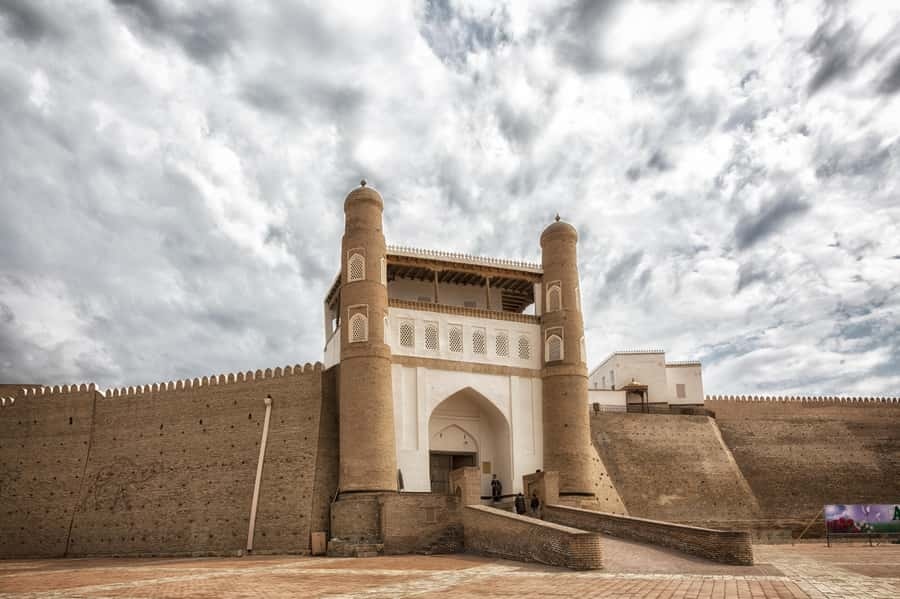
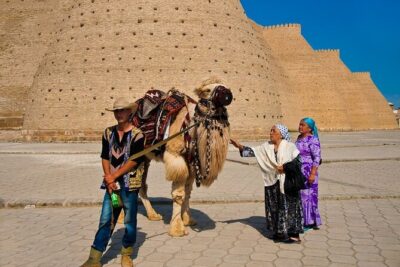
The tour continues to the Ark of Bukhara, a large fortress that served as the royal residence of Bukhara’s rulers. It dates back to the 5th century, which is a striking contrast after the 10th and 12th century sites you just visited.
Here, the guide’s storytelling matters because a fortress can look like walls unless you connect it to what it was for. You’ll explore the walls, courtyards, and chambers, and you’ll hear how the Ark functioned in defense and governance. The experience gives you a sense of how power was organized and protected.
Wear your walking shoes for this part. Fortress sites often include uneven ground and open areas where sun hits hard. Bring water, pause often, and take photos from comfortable angles instead of rushing to the best spots.
Bolo Haouz Mosque: Quiet Rest With Wooden Columns
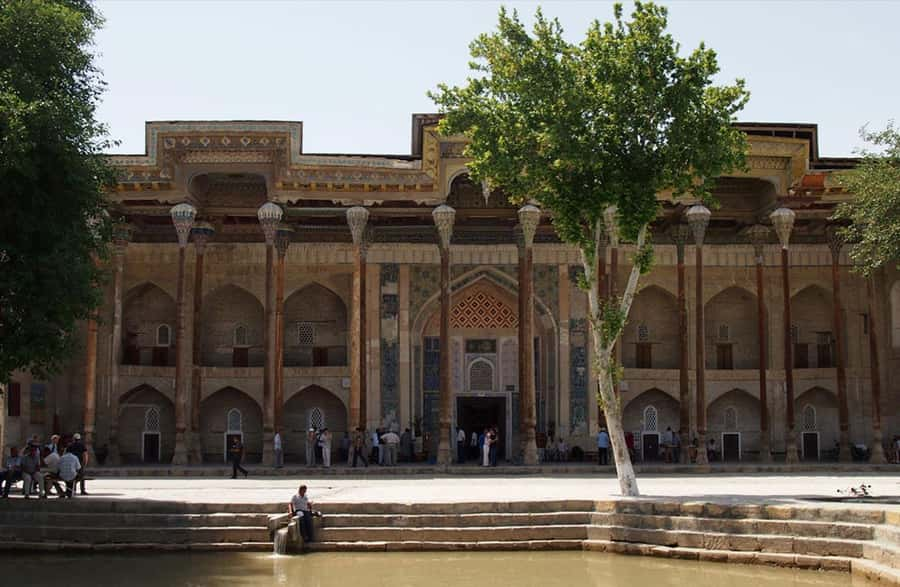
For a calmer moment, you’ll visit the Bolo Haouz Mosque, known for elegant wooden columns and a more peaceful feeling than the bigger, more crowded landmarks.
Built in the early 18th century, it served as the Emir of Bukhara’s official place of worship. That detail helps the stop click: this isn’t only about beauty. It’s tied to how leadership expressed faith, and how that faith was housed in a specific architectural style.
This is a good break point if you’ve been walking since morning. Sit quietly for a few minutes if the space allows it, and use the guide to ask questions about what you’ve seen so far. This stop gives you a rhythm change before the final plaza area.
Lyabi Khauz Finish: Tea House Atmosphere by the Pond
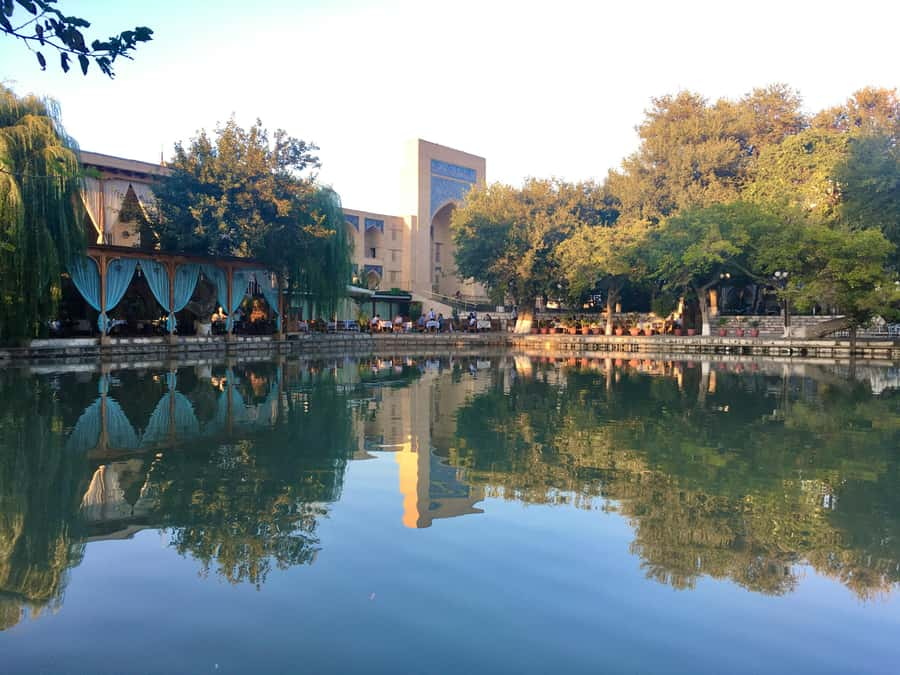
You end at Lyabi Khauz, a tranquil plaza around one of the last remaining ponds in Bukhara. The guide explains why this area mattered as a social center during Bukhara’s peak years.
Look around and you’ll notice how the plan invites people to linger, with nearby madrassas and tea houses shaping a community feel. The pond and surrounding spaces help you decompress after monuments. It’s also a practical ending: you return to the same meeting point area, so your day doesn’t end with logistics.
If you still want photos, this is a friendly time of day to capture people in real life around the pond. Just keep in mind that flash is not allowed inside monuments, but outside moments are usually more flexible.
Price and Value: Is $80 a Good Deal?
At $80 per person, this tour is priced like an experience where the guide does real work. And that matters because you are visiting multiple major monuments in one day, including sites where architecture can be hard to interpret without context.
Here’s where the value comes from:
- You get a certified English-speaking guide, which helps you connect symbolism, dates, and design choices.
- It’s a private tour, so you’re not fighting for attention or explanations.
- Entrance tickets are not included, but you can pay on the spot, so you’re not forced into buying ahead of time.
What’s not included is also part of the math:
- Meals and beverages are not included, so plan lunch or snacks outside monuments.
- Transportation during the tour with a driver is not included, which suggests your main movement happens between central stops, on foot.
- Entrance tickets can add cost, depending on what you choose to enter fully.
My practical suggestion: treat the $80 as the guide value plus the structured route. Then budget extra for entrances and food so you do not hit the day short on cash or energy.
Who This Tour Fits Best (And Who Should Rethink It)
This tour suits you if you:
- Want a guided walkthrough of top Bukhara monuments in one day
- Like understanding architecture and religion through context, not just seeing buildings
- Prefer a private experience with English language help
- Enjoy light shopping for handicrafts and want guidance on where quality items come from
It may be a bad fit if you:
- Use a wheelchair or need minimal walking, because the tour is not suitable for wheelchair users or significant mobility impairments
- Want a very slow, low-walking day, since there is a moderate amount of walking
- Need the tour to include meals or full transport, because food and driver transport during the tour are not included
If you’re in good shape and enjoy structured sightseeing, this is the kind of day plan that can make Bukhara feel clear and memorable.
Should You Book This Bukhara Full-Day Guided Tour?
If you want one day in Bukhara that hits the major sights in a logical order, I’d say yes, book it, especially if you care about explanations and not just photo stops. The mix of the Samanid Mausoleum, the Kalon Minaret and Poi Kalan Mosque, the Magok-i-Attari layered past, and the trade dome gives you a full picture of how Bukhara worked religiously, politically, and commercially.
Just go prepared for the reality of monument days: bring comfortable shoes, water, sunscreen, and a hat, and keep flash photography off your camera inside monuments. If you can handle walking and you’re happy to budget for entrances and your own meals, this tour is a solid value.
FAQ
Where do I meet and where does the tour end?
You start at Lyabi Khauz near the Hodja Nasreddin monument. The tour ends back at the same meeting point.
Is the guide English-speaking?
Yes. The tour includes a certified English-speaking guide (English and Russian may be available).
Is this a private tour?
Yes, it’s listed as a private tour.
Does the price include entrance tickets?
Entrance tickets are not included. You can pay them on the spot.
Are meals included?
No. Meals and beverages are not included, and food or drinks are not allowed inside the monuments.
How much walking is involved?
There is a moderate amount of walking. Comfortable walking shoes are recommended.
Is flash photography allowed?
Photography is allowed, but flash photography is not permitted inside the monuments.
What should I bring for the day?
Bring comfortable shoes, a hat, camera, sunscreen, and water.
Is the tour suitable for wheelchair users?
No. The tour is not suitable for wheelchair users or people with significant mobility impairments.
What’s the cancellation and payment approach?
You can keep plans flexible with reserve and pay later. Cancellation is allowed up to 24 hours in advance for a full refund.
Latest reviews out of Bukhara
- Uzbekistan 8 Days Private Guided Tour★ 4.6 · 3 reviews
- Bukhara: City Highlights Guided Tour with Pickup★ 5.0 · 3 reviews
- Bukhara day tour★ 4.0 · 4 reviews
- Bukhara Private City Tour★ 2.5 · 4 reviews
- Legends of Bukhara: Exclusive Full-Day Tour★ 5.0 · 4 reviews
- 2 Day Ukhum Hiking Tour from Bukhara★ 5.0 · 4 reviews
- From Bukhara: 3-Day Yurt Stay, Hiking & Lake Aydarkul★ 5.0 · 5 reviews
- Bukhara day tour. Departure from Tashkent or Samarkand.★ 5.0 · 7 reviews
Bukhara Tours, compared.
All You Need To Know About Bukhara. A Walk In The Town
Read our review →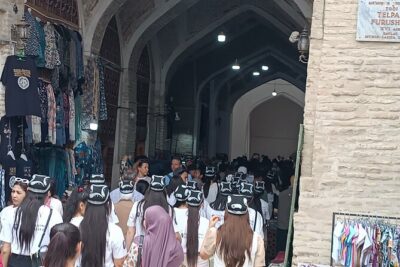
Browse the lists this tour appears in