
Reviewed · TASHKENT TOURS
Plov and Samsa Cooking Class in Tashkent
Cooking plov and samsa in someone’s home in Tashkent is interesting because you’re not just watching a recipe, you’re doing the work. You chop, fry, steam, roll dough, and shape stuffed triangles, then sit down to eat what you made.
Two things I really like about this class are how hands-on it is, and how it pushes you past the basics. You’ll cut onions and carrots, clean the rice, and then manage the cook itself, plus you’ll build samsa dough and learn the classic ghee-and-roll method before baking.
One consideration is logistics. Pick-up and drop-off are not included, so you’ll want to plan how you’ll get to the meeting point after booking.
Key highlights worth knowing
- Hands-on plov technique: you cut, fry, and handle the steaming stage, not just follow steps
- Real Uzbek samsa building: ghee spread, tight roll, chilling, then stuffing and oven baking
- A full 3-hour flow: plov work, a timed samsa break, then back to finish and eat together
- Vegetarian-friendly possibility: vegan option may be available without meat
- Small private format: a private group for up to 2 people
- Meal included: you eat what you cook, plus ingredients are provided
A 3-Hour Home Kitchen Lesson in Plov and Samsa
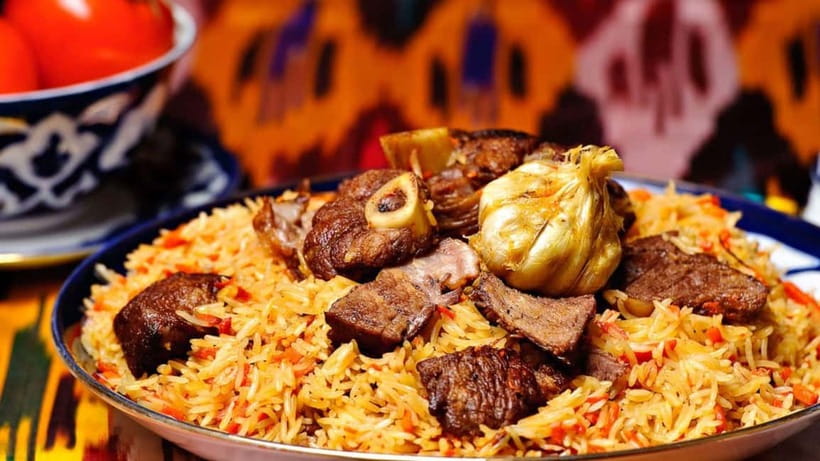
This is the kind of class that makes you feel like you’re learning real cooking, not collecting photos. In about 3 hours, you tackle two Uzbek comfort foods: palov (often spelled plov) and samsa. The cooking happens in a home setting in Tashkent Province, which changes the vibe immediately. You’re in a kitchen built for everyday life, not a showroom.
The format also matters. After a short intro, you jump in right away: chopping, rice prep, then cooking duties like frying and managing the steaming stage for palov. Later, there’s a break while the plov is doing its thing, and you use that time to make samsa.
If you’re looking for a fast taste tour, this isn’t that. If you want a practical skill you can repeat later, it’s a great fit.
More kitchens to book into around Tashkent:
- Master Class – Uzbek Bread in Khiva
★ 4.4 · 125 reviews - Samarkand: Village Tour with Plov Cooking Class & Home Visit
★ 5.0 · 29 reviews - Master Class – Shivit Osh Traditional Food Of Khiva
★ 4.2 · 27 reviews
Plov Prep: Cutting Onion, Carrot, and Rice Like a Pro
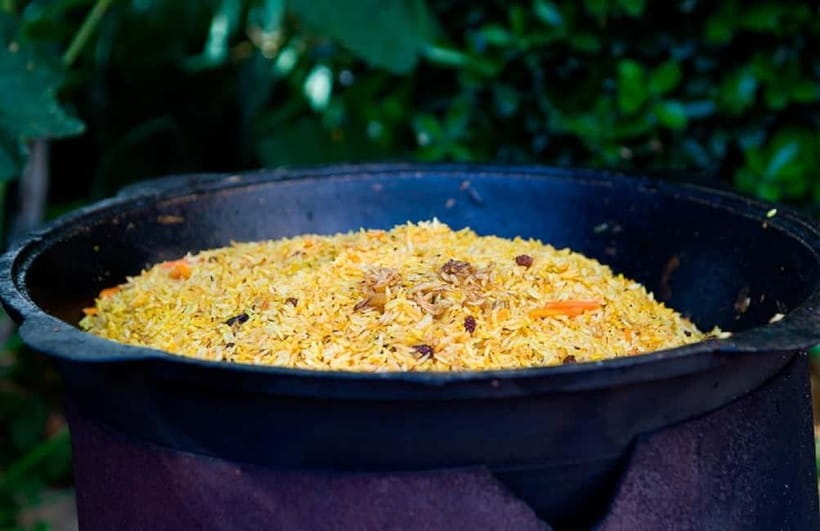
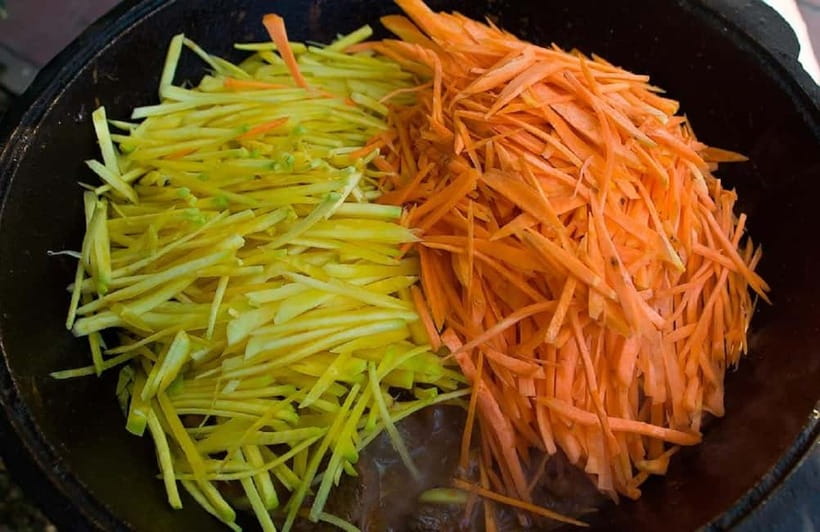
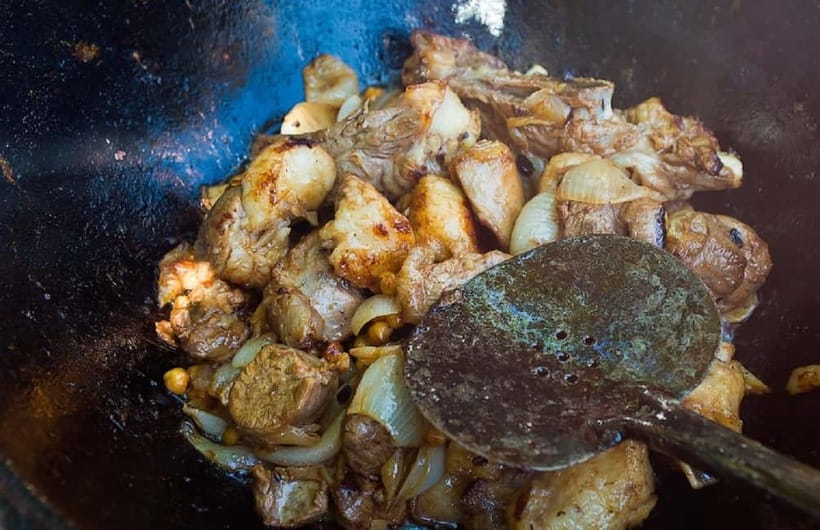
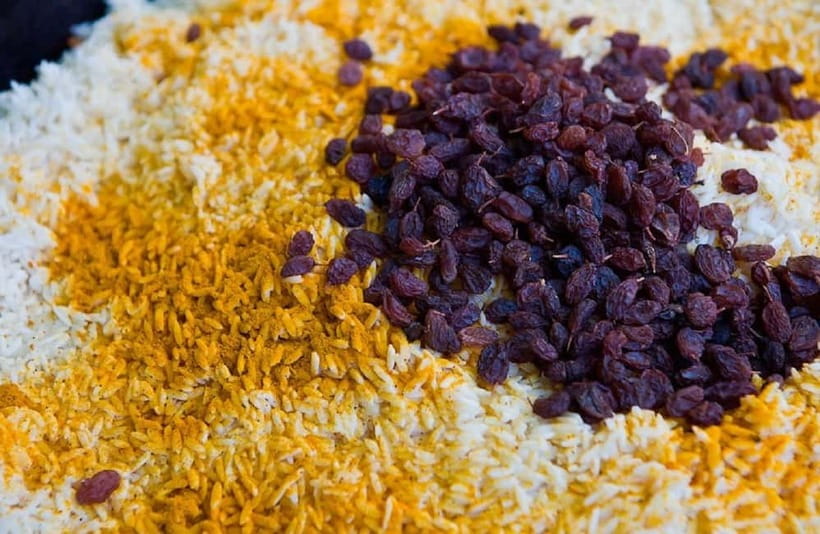
Palov is all about layered flavor, and the class teaches that with work you can feel in your hands. You start with the building blocks: rice, meat, onion, carrot, garlic, cumin, raisins, and sunflower oil. The main veg work centers on two items you’ll actually cut yourself: onions and carrots.
Expect the instructor to guide you through the basic technique and then let you do it. Cutting onions and carrots sounds simple until you realize it affects cook time and texture. In palov, you want the carrot to soften into the oil and spices rather than stay crisp, and you want the onion to sweeten into the base instead of turning harsh.
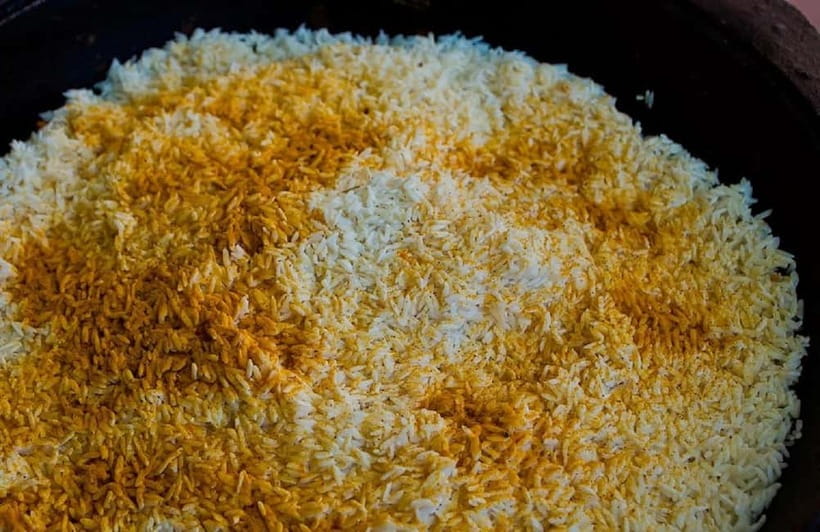
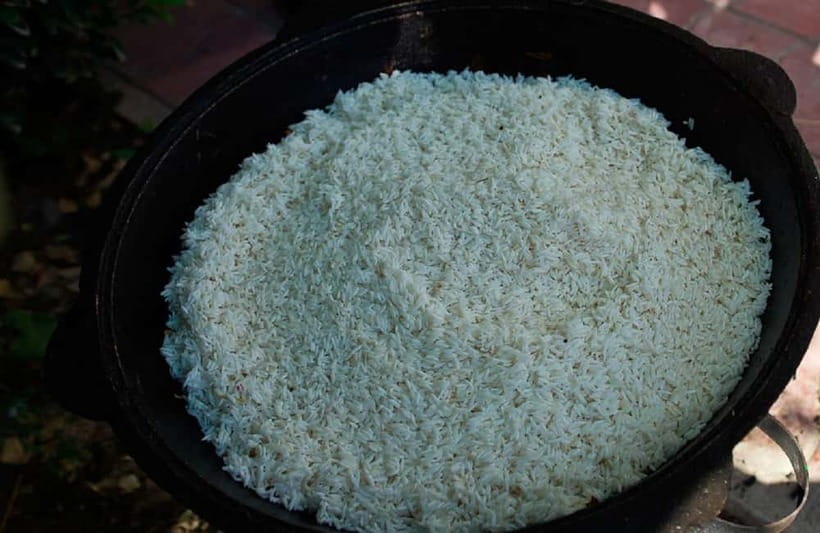
Rice prep is part of your job too. You’ll clean the rice before it goes into the cooking process. That step matters more than most first-timers think. Cleaner, well-handled rice helps keep the dish fluffy instead of sticky.
You also get hands-on coaching for the flavor setup. Cumin is a key note here, and the class includes raisins in the ingredient list, which brings a faint sweetness that rounds everything out. You’re not just learning what goes in. You’re learning when and how it turns into the palov taste profile.
From Frying to Steaming: The Skill Behind Real Palov
Here’s the part that turns this from a nice meal into a real class. You participate in the cook: frying, cooking, and then the steaming stage.
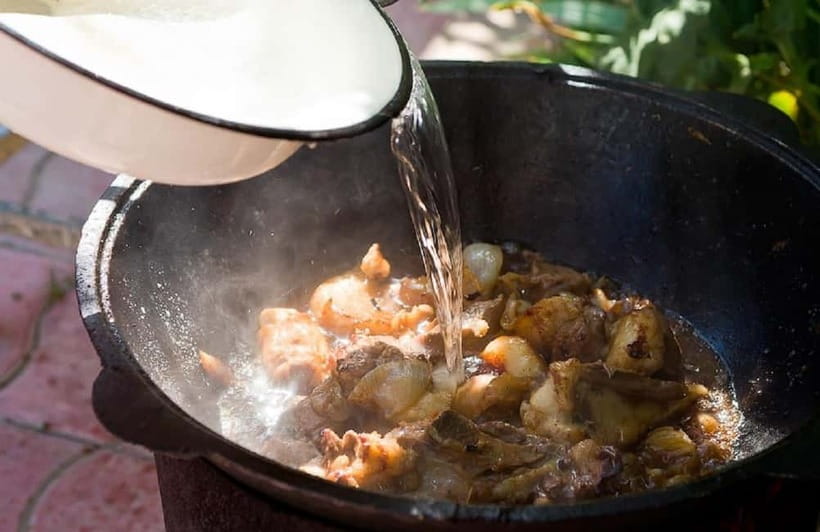
The process is structured so you’re not constantly rushing. You handle the active work first, then later you add water for steam and let the pot do its job. That steaming stage is where technique becomes flavor. If the liquid and timing aren’t right, palov can turn out uneven. In this class, you get enough guidance to understand the rhythm.
Once steam starts, you’re not stuck waiting. The timing is built into the lesson. During the steaming period, you get free time, then you make a second Uzbek dish: samsa. That keeps your 3 hours moving without feeling like you’re just trapped in a kitchen the whole time.
When you come back after samsa, you finish up the palov and eat it. The best part is that you can taste the difference between a dish you assembled and a dish someone else made for you.
Samsa Break: Dough, Ghee Rolls, Chilling, and Oven Baking
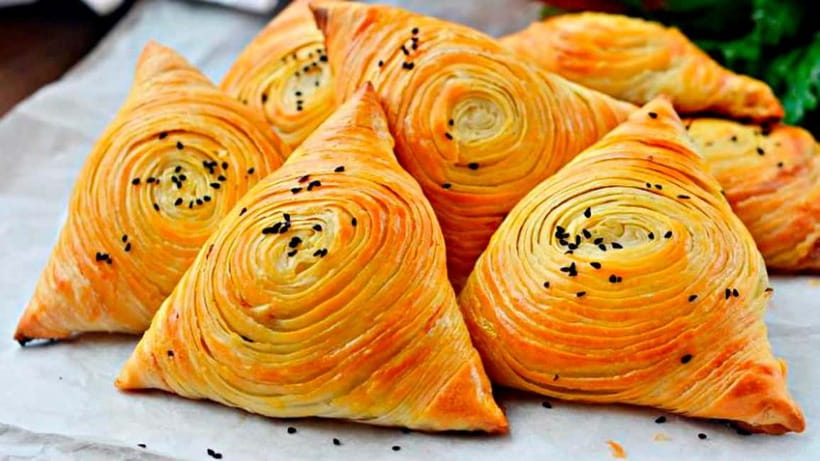
The samsa segment is practical and fun, and it’s also a smart break from palov. Samsa are baked triangles, usually stuffed, with a crisp, layered feel that comes from how the dough is treated.
You’re taught a core technique: start with dough, roll it out, spread ghee (clarified butter) across it, roll it tightly, then divide into equal portions and chill the dough patties. That chilling step is important. It helps the dough layers stay distinct so you get the right texture when you roll and bake.
After chilling, you roll out each patty, then stuff it with minced meat and bake it in the oven. The class includes team help so you don’t feel lost on the shaping or stuffing. You do the key actions though, like working the dough and filling the triangles.
If you’re thinking about allergies or personal preferences, pay attention to how the class handles meat. The information notes that there is a possibility without meat for vegans. You’ll want to confirm what can be done for samsa specifically when you book, especially if you have strict dietary needs.
Also note that samsa in this lesson are baked, not fried. That’s useful to know if you’re picturing samosas from other cuisines. The dough method and oven cooking create a different result.
More of Tashkent worth pencilling in
- Samarkand: Uzbek Cooking Class in a Village Home
★ 5.0 · 22 reviews - Cooking class in Samarkand with local life experience
★ 5.0 · 19 reviews - cooking traditional food in Samarkand with local people
★ 4.8 · 17 reviews - Private Samarkand Cooking Class with Market Tour & Transfers
★ 5.0 · 14 reviews
Eating What You Made, in a Real Uzbek Home Setting
This class isn’t only about cooking. It’s also about eating together at the end, and in real Uzbek-home style.
Some reviews mention that hosts prepare extra snacks, desserts, and tea alongside the main meal, and that the family hospitality can feel genuinely welcoming. One person even noted that food was packed for take-away. That’s not guaranteed by the written essentials, but it’s a good sign: you’re likely to leave not just full, but with a more personal connection to the meal than you’d get from a standard restaurant cooking demo.
Tea is also part of the atmosphere in many Uzbek homes, and here it’s tied to the hosting side of the experience. If you enjoy food culture as a social event, this is a nice bonus.
Language can play a role in how smooth that home time feels. The hostess is described as having a basic level of English, but the class instruction is listed as Russian and English. In practice, that usually means you’ll have enough support to understand the steps even if the home conversation is simpler.
Price and Value: Paying $160 for a Private, Hands-On Cooking Win
The price is listed as $160 per group up to 2 for a 3-hour experience. On its face, that’s more expensive than a public class. But it’s also not pretending to be one-size-fits-all.
Here’s how I think about the value:
- You’re paying for a private group experience. That usually means more attention and less waiting for your turn.
- Ingredients for both palov and samsa are included, so you’re not paying separately for groceries.
- You get a guided, hands-on session where you cook and then eat the results. Meals that cost this much inside restaurants are already expensive, and here the meal is part of the learning.
- The class teaches technique, including the stepping pattern of palov and the specific dough process for samsa.
If you’re traveling solo, the per-person value can be lower than it is for a couple, simply because it’s priced by group size. If you’re two people, it starts to make more sense fast, especially if you want something you can repeat later at home.
Also, small classes are often where you learn the details. You’re more likely to get your questions answered, like why the rice needs particular handling or how the steaming stage changes texture.
Timing and What to Expect Minute by Minute
You’ll want to mentally map the flow so the 3 hours feels manageable.
First, you get set up and start on palov prep. That means chopping and rice cleaning. You’ll work with onions and carrots, and you’ll prep the meat if it’s included for your version. The instructor and team help guide you, but the main point is that your hands are doing the work.
Next, the cooking portion starts. You’ll fry and cook as part of palov, then at some point you add water for the steaming stage. That’s your cue for the lesson’s built-in break.
During the steaming period, you shift to samsa. You’ll make the dough, roll it, spread ghee, roll tightly, portion and chill, then roll out, stuff, and bake the triangles.
After samsa finishes baking, you return to the palov to complete it and sit down to eat. The lesson design is smart here. It reduces burnout and keeps you from waiting endlessly while one dish cooks in a pot.
Who This Class Suits Best
This cooking class is a great match if you like practical travel. You want to go home with a skill, not just a memory.
It’s especially good for:
- Couples who want a private food experience without the hassle of large groups
- People who enjoy hands-on activities like chopping, shaping dough, and managing heat
- Anyone who wants Uzbek food beyond basics, with both plov and samsa covered
It may be less ideal if you mainly want a quick tasting with minimal cooking. This is work, and that’s the point.
Also, because you might need to confirm a vegan version without meat, it’s best for vegans who communicate clearly. The information says there is a possibility, so it can be workable, but you’ll want to set expectations early.
Before You Go: Clothes, Food Rules, and Language Reality
Wear comfortable clothes. That sounds obvious, but in a cooking class it matters. You’ll be working around heat, handling ingredients, and likely standing for parts of the session.
Alcohol and drugs are not allowed. It’s a straightforward rule, but it also tells you this is set up as a family-style, clean experience.
On the language side, the instruction is Russian and English. The hostess has a basic level of English. If you don’t speak Russian, don’t panic. The key is that you’ll have guidance in English as well, but you should still expect occasional moments where you rely on gestures and the team’s support to keep things moving.
Finally, you should plan how you’ll reach the meeting point. After booking, you get instructions on how to find the location. Pick-up and drop-off are not included in the standard listing.
Should You Book This Plov and Samsa Cooking Class?
I’d book it if you want a real hands-on Uzbek cooking session for two, and you’re happy to spend your time chopping, cooking, steaming, rolling, and baking. The biggest strength is that you learn technique you can repeat, especially the palov rhythm and the samsa dough method with ghee and chilling.
I would hesitate only if you prefer a more casual, low-effort activity, or if transportation is a headache for you since pick-up and drop-off are not included. Also, if you’re vegan and care about strict no-meat results, message ahead to confirm exactly what can be done for both dishes.
If your goal is to understand Uzbek comfort food from the inside, this class is a solid, practical choice. You’ll leave with full stomach satisfaction and at least a few moves you can bring home and show off.
FAQ
How long is the cooking class?
It lasts 3 hours.
What dishes will I learn to cook?
You’ll cook two traditional Uzbek dishes: plov (palov) and samsa.
Is there a vegetarian or vegan option?
There is a possibility of a version without meat for vegans.
What is the price for the experience?
The price is $160 per group up to 2 people.
What languages are used for instruction?
The instructor provides guidance in Russian and English.
Do they include pick-up and drop-off?
No, pick-up and drop-off are not included.
What should I bring or wear?
Wear comfortable clothes.
Is the activity wheelchair accessible?
Yes, it is listed as wheelchair accessible.
Can I cancel for a full refund?
Yes, you can cancel up to 24 hours in advance for a full refund.
More Workshops in Tashkent
- Cooking Class in the Village with Local Family in Samarkand
★ 5.0 · 11 reviews - Samarkand Local Family Cooking Class and Siyob Bazaar Tour
★ 5.0 · 5 reviews - Plov Cooking Class at Local Uzbek House
★ 5.0 · 5 reviews - Traditional Khiva Cooking Class with Market Visit & Lunch
★ 5.0 · 4 reviews
Latest reviews out of Tashkent
- Tashkent Mountain Tour Amirsoy with Transport★ 3.5 · 3 reviews
- Private Intercity Transfer Tashkent – Samarkand – Tashkent★ 3.5 · 3 reviews
- Amirsoy & Chimgan mountain tour from Tashkent★ 5.0 · 3 reviews
- Tashkent: 3-Day Horseback Riding Tour in Chimgan Mountains★ 4.4 · 3 reviews
- Transfer Tashkent Airport / Railway Station – Hotel★ 3.5 · 3 reviews
- Private Tashkent City Tour★ 5.0 · 3 reviews
- Heliocomplex “Institute of the Sun” – Remnants of USSR★ 5.0 · 3 reviews
- Oriental Tastes of Tashkent: A Gastronomic Journey”★ 5.0 · 3 reviews
Tashkent Tours, compared.

Best of Tashkent Mountains: Amirsoy, Chimgan & Charvak Trip
Read our review →
Samarkand One Day Tour – Departure From Tashkent
Read our review →
2 Days Tour to Bukhara and Samarkand from Tashkent by train
Read our review →
Browse the lists this tour appears in