
The Heliocomplex Institute of the Sun is the kind of place that makes you look at a city differently. This Cold War relic is tied to space-era research, and it is now accessible, with a real explanation on site. Add a walk in a protected forest reserve right after, and you have a day that mixes science, Soviet-era engineering, and fresh air.
Two things I especially like about this outing are the small-group feel with a professional escort guide and the chance to stretch your legs in the Sukok forest, including a spring water hike. You also get to learn how the complex was used in practical terms, not just as a spooky abandoned building.
One consideration: the Heliocomplex entry details may be unclear based on the tour information provided. The schedule mentions an admission ticket, but the listed exclusions also mention Heliocomplex entrance. Before you go, confirm what is covered in your booking.
Key highlights to know before you go
- Cold War engineering in Tashkent, with only a couple of similar structures known worldwide
- A 08:00 departure and a fairly direct ride, with about 40 km to the complex
- Sukok Forest hike marked light, including a 5 km round trip walk to spring water
- A botanical protected area visit, with water sources and pine forest time
- Guides named in reviews, including Sadoqat and Maruk, who explain clearly in English
- Group setup with pickup offered and a mobile ticket for the day
Tashkent’s Cold War sci-fi: the Heliocomplex in plain words
The Heliocomplex, sometimes described as the Institute of the Sun, is fascinating for one simple reason: it feels like space-age hardware landed in the middle of everyday life. You will hear that there are only two known structures of this kind built during the Cold War, one in France and the other here in Tashkent. That alone turns this from a generic sightseeing stop into something rarer.
In practice, you are not just walking around. You get access to the story of what the complex was designed to do, and you will see it through the eyes of an on-site researcher or expert. Reviews also point out an important detail: the system had a role in producing materials for spacecraft. That makes the whole place click. It is not only about big domes and odd angles, it is about how real research was powered and processed.
If you like technical places but get bored by dry facts, this is the right kind of stop. Guides can translate the meaning into everyday understanding, including what visitors should look for while you are there.
More of Tashkent worth pencilling in
- Best of Tashkent Mountains: Amirsoy, Chimgan & Charvak Trip
★ 4.8 · 567 reviews - Samarkand One Day Tour – Departure From Tashkent
★ 5.0 · 313 reviews - Samarkand One-Day Tour Departure from Tashkent
★ 4.7 · 171 reviews
The morning ride: 40 km out of the city, then back again
The tour starts with a morning departure at 08:00 from Tashkent, with pickup offered. The drive to the heliocomplex is about 40 km, roughly one hour, in an air-conditioned vehicle. That matters because the day includes walking in the forest, and you want to start fresh instead of arriving sweaty and rushed.
This is also the kind of schedule that works well if you want a half-day feel without losing momentum. You are not waiting around for long museum-style timelines. The day is built around moving from the complex to Sukok, then spending your time outdoors.
Because this is a private tour/activity where only your group participates, you can usually keep a steady pace. You can ask questions in the car, clarify what is covered, and get your bearings fast before you head into the forest.
Entering the Institute of the Sun heliocomplex: what to look for
The heliocomplex stop is the core of the experience. Plan on about an hour there, with an admission component tied to the stop. The most helpful thing is to arrive with a couple questions in mind, even if your guide covers everything.
Here are smart prompts to keep in your pocket:
- What was the complex doing in the research pipeline, and how does sun-based energy fit in?
- Which parts of the structure were for producing or processing materials, rather than just testing?
- How did the security mindset during the Cold War change once the site became an attraction?
In the reviews, guide Sadoqat is specifically praised for being well able to explain and for having the kind of English that makes technical content easier to follow. Another guide, Maruk, is mentioned for adding depth with explanations in Japanese. Either way, the point is the same: you are meant to leave with understanding, not just photos.
Also, remember that the heliocomplex stop is separated from your outdoor time. Take a moment before you go in to think about what you want to remember later on the hike, because your brain will switch gears quickly once you are walking in the forest.
Sukok Forest walk and spring water hike: how it feels on the ground
After the heliocomplex visit, you travel to the Sukok area. From there, you head into a protected reserve and the Sukok Forest, often described as a Russian forest in Uzbekistan. It is a change of scenery that makes the science stop feel even more grounded.
The walking portion starts with a trek through the forest, then continues toward spring water. The program describes a 5 km round trip with a light level difficulty. That wording matters. It is not marketed as a hardcore hike, but you should still wear proper walking shoes. A light hike can still feel longer when trails are uneven, and spring water routes often include dips, roots, or soft ground.
In the forest section, you may also notice how locals treat the place as a government-protected retreat. This is not an amusement park path. You are moving through an environment that is meant to be preserved, so keep your steps quiet and your expectations simple: enjoy the air, the shade, and the slow shift away from city noise.
If you get cold easily, you might be comfortable because one review mentions the hike feeling cool, and the air quality being pleasant. If you get warm quickly, bring a light layer you can peel off, since you will likely walk for stretch after stretch.
An easier afternoon once Tashkent is done:
- Tashkent: Amirsoy Resort, Chimgan Mountain and Charvak Lake
★ 4.8 · 170 reviews - Explore Amirsoy, Chimgan & Charvak – A Full-Day Mountain Tour
★ 5.0 · 158 reviews - Tashkent City Tour
★ 5.0 · 121 reviews - Tajikistan : Exclusive Seven Lakes Day Tour From Samarkand
★ 4.9 · 102 reviews
Picnic, lunch, and kebabs in Sukok: plan your appetite
Food time in Sukok is one of those details that can make or break your day. The program includes a stop in the village of Sukok for lunch at local restaurants, and it specifically notes that these restaurants are famous among citizens for kebabs. That is useful. You are not just being dropped into a random restaurant. You have a local-food focus.
The program also mentions a picnic in the forest, but it is not included. So if you want that picnic vibe, plan to bring or buy what you need beforehand, based on what the guide tells you during the day. If you prefer to keep it simple, treat the forest time as your recharge moment and save your main eating for Sukok restaurants.
A practical approach: keep small cash or cards for the places you eat, and don’t count on having everything covered. The day’s included items focus on guiding, transport, and the botanical garden entrance, not on meal costs.
Botanical protected area with pine forest and water sources
After lunch, you return for another nature-focused segment in Sukok: a visit to a botanical protected area. The time here is shorter, about 30 minutes, but it is structured so you get to see the highlight features: many water sources and pine forest scenery.
This is the part that adds variety to the day. You get the forest hike on one side, and a more garden-like protected area visit on the other. Even if your hike already gave you plenty of trees, pine and water sources can feel different enough to still be worth the short stop.
Because the botanical segment is not long, go with a simple mindset: walk slowly, look down at the ground where water shows up, and take in the way the pines shape the light. This kind of stop is also where a guide’s explanations can help you notice things you might otherwise pass.
It is also a good time to ask one last question about how the heliocomplex connects to the broader Soviet-era science mindset. Some guides can tie the themes together in a way that makes the day feel coherent.
Price and value for $104: what you truly pay for
At $104, this tour is priced as an all-in day with transport and guided access to the nature side. You also get:
- a professional escort guide
- an air-conditioned vehicle
- entrance to the botanical garden
- all fees and taxes as listed
That sounds solid, and it is. You are paying for a planned day with minimal friction, a reserved route through protected areas, and a guide who explains, not just someone driving you between stops.
The main value question is the Heliocomplex entry. The day schedule indicates admission ticket included for the heliocomplex stop, but the exclusions also list entrance in the Heliocomplex as not included. To protect yourself, confirm exactly what your booking covers for the heliocomplex entry before you arrive. This one check can prevent an unpleasant surprise at the gate.
If you want good value, focus on whether you will use the guide time well. If you like asking questions, you will get a lot out of the heliocomplex portion. If you are more quiet and observant, you can still benefit, but your experience will depend more on what the guide chooses to explain during the visit.
Who this tour suits best (and who might not)
This is ideal if you like one of these combinations:
- Cold War oddities plus practical explanations
- A light nature hike without committing to a full trekking day
- Guided access to places you might not find easily on your own
It is also a good pick if you enjoy meeting new people through the guide. Reviews specifically mention long, interesting conversation about life in Uzbekistan with Sadoqat, and that kind of human, on-the-ground perspective is hard to replicate on a self-guided trip.
Where it might not fit: if you hate early starts, this morning schedule may feel like too much. If you want a long outdoor day with big elevation or multi-hour trekking, this might be too gentle because the hike is described as light and the walking portion is a 5 km round trip.
Tips to make the day run smoothly
You will have the best experience if you prepare for both halves of the day, science and forest.
- Wear comfortable, grippy shoes for the 5 km round trip. Even a light hike deserves footwear that can handle uneven ground.
- Bring water. The program includes walking, and you may spend time outdoors in warm weather depending on the season.
- Have a light layer. Forest shade can feel cooler than the city, and the day is partly outdoors.
- Keep your phone ready. The tour includes a mobile ticket, which can save time.
- If you care about photos, know that professional photo/video is listed as not included. You can still take your own pictures, of course.
Also, don’t wait until the heliocomplex is already underway to ask questions. Ask early during the visit briefing if the guide shares a specific viewing route inside.
Should you book Remnants of USSR: Heliocomplex and Sukok Forest?
Book it if you want a day that feels different from the usual museum run. The Heliocomplex is rare, tied to Cold War-era science, and it is explained in a way that can make details feel understandable. Then you get a real outdoor reset in the Sukok Forest with a light hike toward spring water, plus a short botanical protected area visit.
I would skip it if you are mainly chasing a long hike or if you only care about architecture and nothing about research context. Also, do one quick confirmation about the Heliocomplex entry coverage so you are not budgeting twice.
If you like practical guidance, clear explanations from guides like Sadoqat and Maruk, and a balanced mix of engineering and nature in one day, this is a strong fit for Tashkent.
FAQ
What is the duration of the tour?
The tour runs about 5 to 7 hours (approx.).
What time does the tour depart from Tashkent?
It departs at 08:00 from Tashkent.
Is pickup available?
Yes, pickup is offered.
How far is the drive to the Heliocomplex?
The Heliocomplex is about 40 km from Tashkent, taking roughly one hour.
Is the Heliocomplex entrance included in the price?
The schedule mentions an admission ticket included for the Heliocomplex stop, but the listed exclusions also mention entrance in the Heliocomplex. Confirm what your specific booking includes.
What kind of hiking is included in Sukok Forest?
You will do a walk and a spring water route totaling 5 km round trip, described as light level.
Is the forest picnic included?
No, picnic in the forest is not included.
What parts of the trip include entry tickets?
The botanical garden entrance is listed as included. The Heliocomplex stop has admission details that should be confirmed as noted above.
Is the tour private or group-based?
It is private for your group only, meaning only your group will participate.
What is the cancellation policy?
Free cancellation is available up to 24 hours in advance for a full refund.
Latest reviews out of Tashkent
- Tashkent Mountain Tour Amirsoy with Transport★ 3.5 · 3 reviews
- Private Intercity Transfer Tashkent – Samarkand – Tashkent★ 3.5 · 3 reviews
- Amirsoy & Chimgan mountain tour from Tashkent★ 5.0 · 3 reviews
- Tashkent: 3-Day Horseback Riding Tour in Chimgan Mountains★ 4.4 · 3 reviews
- Transfer Tashkent Airport / Railway Station – Hotel★ 3.5 · 3 reviews
- Private Tashkent City Tour★ 5.0 · 3 reviews
- Oriental Tastes of Tashkent: A Gastronomic Journey”★ 5.0 · 3 reviews
- Tashkent One Day Tour★ 4.6 · 4 reviews
Tashkent Tours, compared.
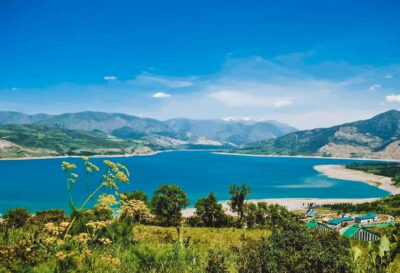
Best of Tashkent Mountains: Amirsoy, Chimgan & Charvak Trip
Read our review →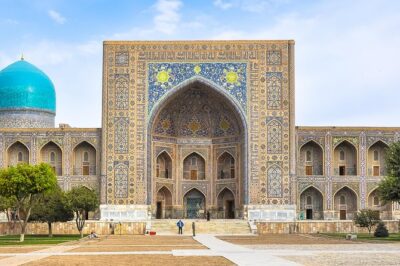
Samarkand One Day Tour – Departure From Tashkent
Read our review →
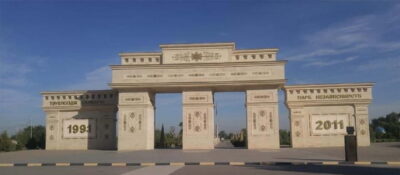
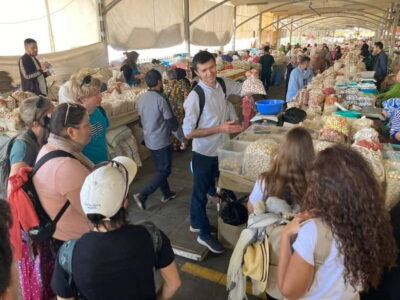

2 Days Tour to Bukhara and Samarkand from Tashkent by train
Read our review →
Browse the lists this tour appears in