
Reviewed · SAMARKAND TOURS
Cooking Class in the Village with Local Family in Samarkand
Cooking with a local Samarkand family is one of those days that feels real, not staged. I like the market-to-kitchen flow, starting with a local bazaar and ending at a home table. I also love the chance to learn Uzbek classics in context, with hosts like Goli or Gulrux guiding the steps you actually need. One possible drawback: the day can feel slow and hands-on, so if you want a fast, check-the-box tour, this may not match your style.
You’ll also see how food connects to daily life beyond cooking, including time tied to Konigil paper, oil meal, and pottery work (depending on how the day is paced). In practice, it’s a private setup, so your experience can lean more social and personal, with stories and family moments that matter more than rushing through tasks.
Key Highlights Before You Go
- Bazaar first, then cooking, so you buy or recognize ingredients before you start working in the kitchen
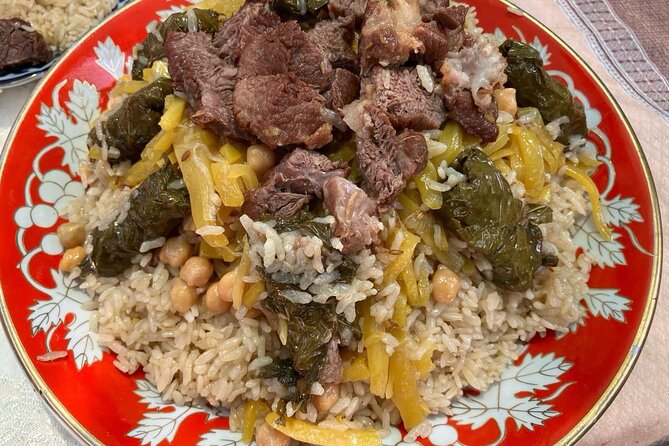
- Step-by-step Uzbek cooking taught at a home with family participation, including classics like plov
- Hosts with real English skills in some cases, like Gulrux, which can make conversation and questions much easier
- Craft add-ons that can include Konigil paper, plus oil meal and pottery workshops
- Private tour setup, only your group, so dietary needs and preferences get more attention
- A flexible start (within the provider’s daily window), which helps you fit it around your Samarkand plans
How the Bazaar Sets Up Your Cooking Day
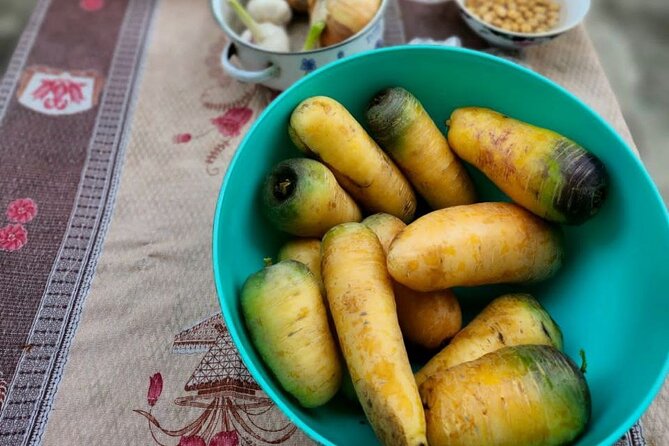
Most Samarkand experiences start with a ticket scan and a timeline. This one starts in a place where people are buying, selling, bargaining, and eating snacks like it’s normal life. You’ll be picked up from your hotel, then you head out to a local bazaar. This part matters more than you might think, because Uzbek cooking is ingredient-driven. Seeing the market up close gives you instant context for why one spice, grain, or cut of meat works better than another.
What I like about this format is that you are not just watching. You can ask questions, try small things, and notice what people are choosing. Even if you do not plan to buy much, you start to understand the logic behind the dishes you’ll cook later.
The bazaar also helps you prepare mentally for the pace. This is not a quick cooking demo. You are part of the process, so when you taste something early on, you’ll recognize flavors later while you’re chopping, mixing, rolling, or waiting for something to cook.
Timing is flexible. The tour runs about 5 hours total, and the starting time can be adjusted. The operating window listed is Monday through Sunday, from 9:00 AM to 10:00 PM, so it should be easier to choose a slot that fits your hotel life. You also get a mobile ticket, which keeps the day simple.
A small consideration: bazaars are lively, and they are not designed for quiet sightseeing. If you prefer controlled spaces and minimal walking, you may want to plan for short bursts of movement, then settle in for the longer home-cooking portion.
More Cooking Classes in Samarkand
- Samarkand: Village Tour with Plov Cooking Class & Home Visit
★ 5.0 · 29 reviews - Samarkand: Uzbek Cooking Class in a Village Home
★ 5.0 · 22 reviews - Cooking class in Samarkand with local life experience
★ 5.0 · 19 reviews
Cooking at a Local Family Home, Not a Classroom
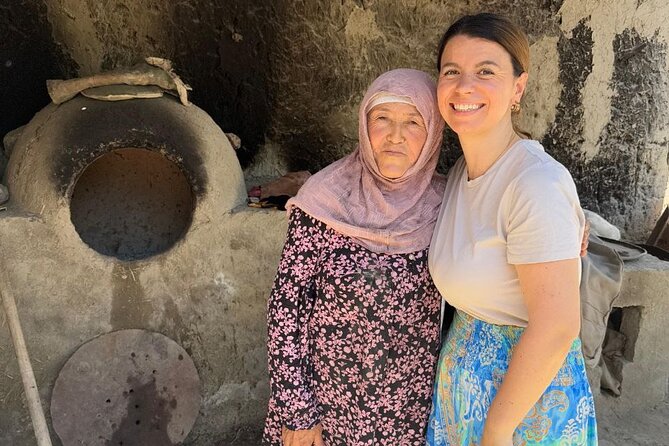
The main event is the cooking itself, taught by a local family in their home. That difference is huge. In a restaurant kitchen, you might get explanations and watch plates go out. In a home, you learn how food actually gets made, how ingredients are handled, how heat and timing are judged, and how the family runs a kitchen alongside daily life.
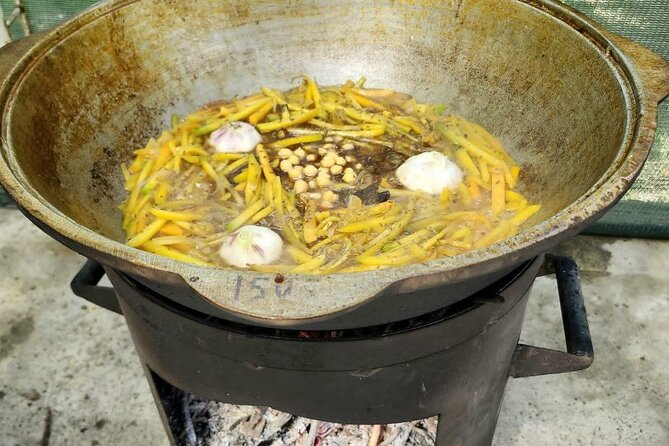
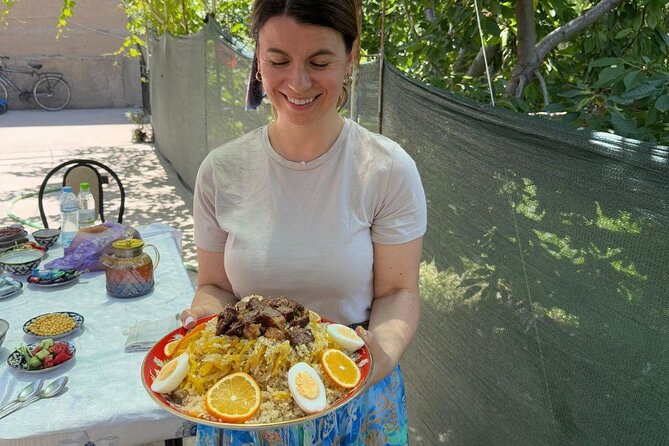
You’re in good hands with a step-by-step approach. Past sessions have centered on Uzbek favorites such as plov, shashlik, and samsa. Plov is often the anchor dish, and it’s not just a pile of rice and meat. It’s a dish where the order of tasks and the way flavors layer makes all the difference. In one session style, Gulrux walked participants through plov step by step at home, and the result was served and eaten right there.
If your group has dietary preferences, this is one area where you’ll likely appreciate the personal touch. Some experiences have been adapted for vegetarian requests, with the host and guide adjusting what’s cooked and how ingredients are sourced at the market. If you have strict preferences, you should say so clearly when you book.
You may also cook or prepare other dishes mentioned in the experience flow, including items like manti and dolma. Not every group’s menu is guaranteed to be identical, but the common thread is hands-on learning rather than passive viewing.
Family interaction is part of the deal. You’re not only there to make food, you’re there to spend time with the people who eat it every day. The experience often includes stories, laughter, and casual hangouts that can include games like chess. That social component is one of the biggest reasons the rating is so high, because you’re not just collecting facts about Uzbekistan. You’re practicing what hospitality feels like.
Practical tip: if you want more participation, ask early how you can help. Some past sessions felt like they were paced for a slow, comfortable experience. If you love hands-on work, you can request extra tasks, like rolling dough or helping with prep steps, as long as the family is comfortable with it.
The Dishes You’ll Likely Make, and Why Each One Teaches Something
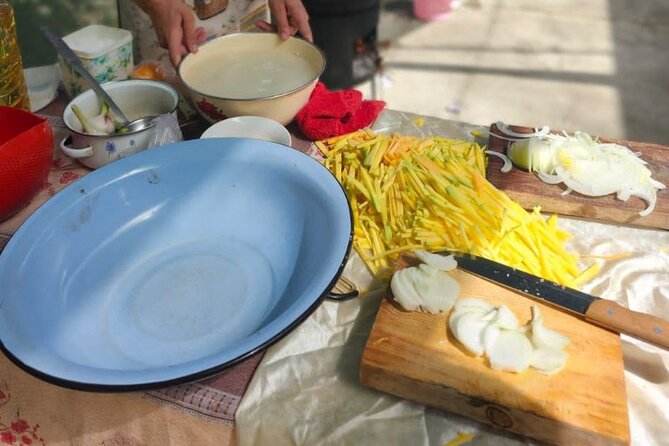
Let’s talk about what you’ll likely learn, and what each dish helps you understand.
Plov (rice pilaf) teaches structure. You learn how to layer flavors, how to manage heat, and how to get the rice right. Because plov is so central across Central Asia, mastering it even partially gives you a baseline for comparing dishes you’ll see later in Samarkand and beyond.
Shashlik (grilled meat) teaches timing and seasoning. Even if the cooking method differs slightly, grilled meat is about control: getting the heat steady, balancing salt and spices, and understanding how fat and smoke affect flavor.
Samsa (savory pastries) teaches dough and filling balance. Pastry is easy to mess up if you focus only on flavor. Handling dough, learning how to shape, and understanding how filling is portioned all matter.
Then there are other dishes that may show up depending on the day, such as manti and dolma. Manti is often about filling and folding, while dolma is about how seasoning works inside vegetables or leaf wrappers. If your goal is to take home more than just one recipe, these extra options can broaden what you can replicate later.
What I find valuable is that the cooking connects back to the bazaar visit. You’ll remember what you saw, because you’re turning those ingredients into a meal. That memory connection makes the day stick in a good way. You are not just learning what a dish is, you are learning what it takes to build it.
Beyond Food: Konigil Paper, Oil Meal, and Pottery Workshops
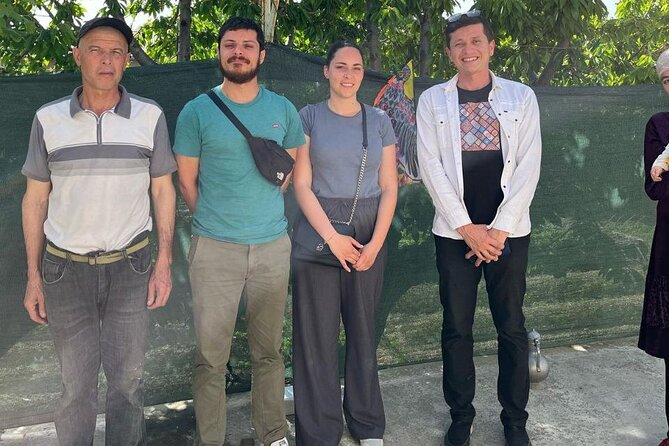
One of the standout parts of this experience is that it does not treat cooking as an isolated activity. You may also spend time related to craft and local production. The experience description includes Konigil paper factory, plus an oil meal and pottery workshop.
Why that matters: in Uzbekistan, crafts and food production are often tied to the same everyday rhythm. Paper-making, oil processing, and pottery all reflect local materials, tools, and ways of working that have been practiced for generations. Even if you only spend a short window at each stop, you’ll leave with a broader sense of how daily life supports what you eat.
You might also notice how families talk about these things. In at least one session, the day included learning about paper and oil production along with the cooking itself. That kind of layering gives you a fuller picture than a meal-only activity.
A consideration: craft stops can change the physical feel of the day. If you prefer only one type of activity, you might find the schedule more varied than you expected. On the other hand, variety is often what makes this experience feel special, because it’s not the same script as a cooking demo.
If you like hands-on cultural activities, this is a great match. If you want a quiet meal-focused day with minimal detours, you may want to confirm how much time is planned for the craft portion on your specific date.
More kitchens to book into around Samarkand:
- cooking traditional food in Samarkand with local people
★ 4.8 · 17 reviews - Private Samarkand Cooking Class with Market Tour & Transfers
★ 5.0 · 14 reviews - Samarkand Local Family Cooking Class and Siyob Bazaar Tour
★ 5.0 · 5 reviews - Plov Cooking Class at Local Uzbek House
★ 5.0 · 5 reviews
The Private Tour Advantage, Pickup, and What a 5-Hour Day Feels Like
This is a private tour/activity, meaning only your group participates. That changes everything for comfort. You can ask more questions without feeling like you’re holding up a large group. Dietary needs, pacing, and hands-on participation can be tailored to your group’s rhythm.
You also get pickup offered from your hotel. That reduces friction, especially in a city like Samarkand where you may want to keep your day flowing without chasing transport or figuring out directions mid-morning.
The total duration is about 5 hours. For many people, that feels perfect in a big sightseeing city. It is long enough to cook real dishes, eat, and learn some culture. It is short enough that you still have energy for an afternoon walk, a museum visit, or a second dinner out.
Also, since the start time is flexible within the listed daily window, you can choose a time that fits your energy. If you pick a later slot, you might get a different vibe in the market and in the home routine.
One more detail worth knowing: the experience includes a mobile ticket. That’s helpful for last-minute day changes, and it keeps your checklist simple.
Price and Value: What $65 Really Buys You
At $65 per person for an approximately 5-hour private experience, the value comes from where the money goes.
You are paying for three things:
- A personal host at a family home, not a staged classroom
- Ingredient-focused learning tied to a bazaar visit
- Extra cultural context through production and craft stops like Konigil paper and oil meal and pottery
This is not just about getting a recipe. The best part is the day itself, the time inside a home, and the chance to understand how people live and cook. That’s exactly what tends to drive the near-perfect rating.
The day is also scheduled to be long enough for real learning. A rushed cooking class is forgettable. A paced session where you can help, ask, and understand steps feels different. In past experiences, people loved the slow, careful process, and they often wished they could participate even more, which is actually a good sign. It means the session provides real engagement, not a quick photo-and-go.
If you’re on a tight budget, it’s still a reasonable price compared with higher-end private tours that only show you attractions. But it is not a bargain-basement activity either. You’ll get your money’s worth if you like cooking, food culture, and spending real time with locals.
If you only care about tasting and not learning, you might find this pricey. If you like rolling up your sleeves and asking how things work, it’s strong value.
Who Should Book This Cooking Class (and Who Might Skip)
Book this if you want:
- A hands-on cooking day with real recipes and real practice
- A private setup where you can talk to your hosts and ask questions
- A food experience tied to local life, including market time and craft stops like paper and pottery
- A chance to eat what you cook, family-style, in a home setting
This is also a great option if you enjoy conversations and the human side of travel. Several past sessions highlighted how warm and hospitable the hosts were, with guides like Navuq and Navro’z mentioned in the experience stories. Names like Narboz and Goli also show up as guides associated with welcoming, well-organized days.
Consider skipping or choosing carefully if:
- You prefer fast-paced itineraries with lots of independent wandering
- You are not interested in cooking tasks or you want a short tasting-only format
- You hate slow pacing. This one is more about doing than sprinting
One more note: service animals are allowed, and it’s near public transportation. That can help if you are planning carefully around mobility and transfers.
Should You Book It? My Honest Take
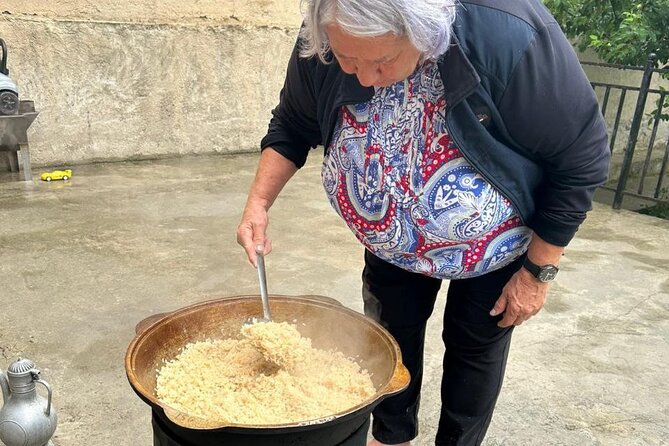
If you’re spending time in Samarkand and you want a day that feels personal, this is one of the best ways to do it. You get market context, home cooking with a local family, and often extra cultural production learning through places like Konigil paper and oil meal and pottery.
My only caution is about your expectations for speed. This is not a quick “learn the highlights” class. It’s a relaxed, hands-on day. If you like that slow, human rhythm, you’ll probably love it. If you want a tightly packed, high-energy sightseeing circuit, you might prefer something else.
FAQ
How long does the cooking class last?
It lasts about 5 hours in total.
Is hotel pickup included?
Yes, pickup from your hotel is offered.
What happens first on the day?
You start with a visit to a local bazaar, then you drive to the village area to cook traditional Samarkand food.
Is this a private tour?
Yes. It’s private, and only your group will participate.
Can the meal be adjusted for vegetarian preferences?
Vegetarian preferences have been considered in past sessions, so it’s a good idea to share your needs when booking.
What is the cancellation policy?
You can cancel for free up to 24 hours in advance for a full refund. If you cancel less than 24 hours before the start time, the amount is not refunded.
More Workshops in Samarkand
- Samarkand: Cooking class with local family
★ 5.0 · 3 reviews - Master Class – Uzbek Bread in Khiva
★ 4.4 · 125 reviews - Master Class – Shivit Osh Traditional Food Of Khiva
★ 4.2 · 27 reviews - Plov and Samsa Cooking Class in Tashkent
★ 4.3 · 6 reviews
Latest reviews out of Samarkand
- Explore Samarkand Guided Tour with Transfers★ 5.0 · 3 reviews
- Ancient and Modern tour in Samarkand with Transport★ 5.0 · 3 reviews
- Penjikent Day Trip From Samarkand★ 5.0 · 3 reviews
- Samarkand Capital of Amir Timur Private Tour with Transport★ 5.0 · 3 reviews
- Amankutan Trek One Day Tour From Samarkand★ 3.9 · 3 reviews
- Seven Lakes Panjakent: One-Day Adventure from Samarkand★ 5.0 · 3 reviews
- Samarkand: Private Guided Tour with a Local★ 5.0 · 4 reviews
- Samarkand City Tour★ 5.0 · 4 reviews
Samarkand Tours, compared.
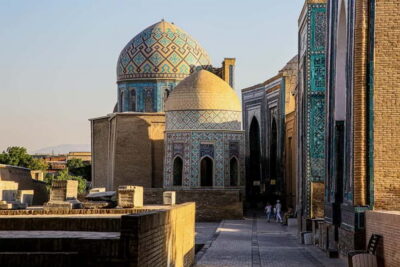
Samarkand: Historical Monuments Guided Walking Tour
Read our review →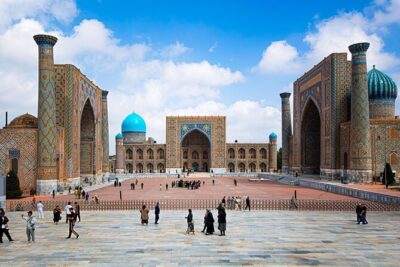
Private Samarkand City Tour With Transportation
Read our review →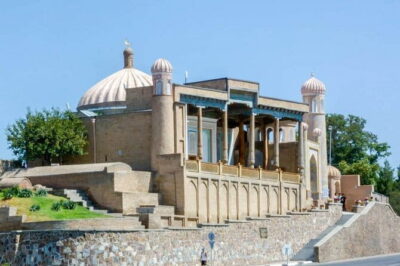
A City Tour Of Samarkand: The Pearl Of The East
Read our review →
Full Day Private Tour in Seven Lakes from Samarkand
Read our review →
Samarkand One Day Tour: one day walking & group tour
Read our review →
Samarkand: Shahrisabz Day Trip with Optional Local Guide
Read our review →
Browse the lists this tour appears in