
Reviewed · SAMARKAND TOURS
Cooking class in Samarkand with local life experience
What makes this Samarkand cooking class with a local family interesting is the way it mixes food, street life, and craft in a real home setting. I love that you get hands-on with Uzbek staples like plov and samsa, not just watched from the sidelines. I also like that the day is guided end to end, so you can ask questions while you’re actually doing things.
One thing to consider: Siyob Bazaar is closed on Monday, so that part will not run the same way if you book for a Monday. Still, the format stays focused on local life, and in at least some groups the cooking guide experience has been highlighted as especially friendly, including one guide named Akram.
Key highlights you should care about
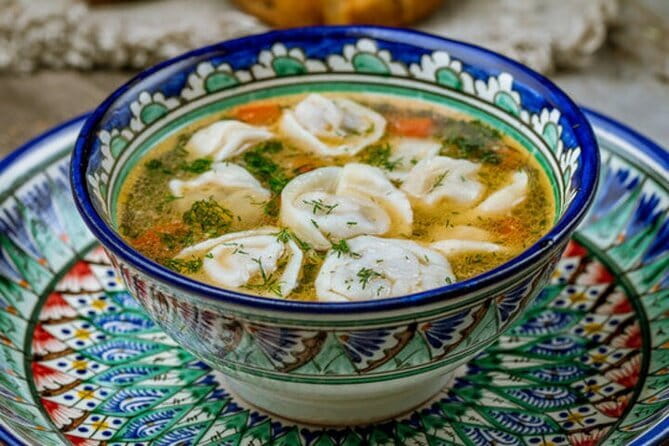
- Cook real Uzbek dishes like plov, shashlik, and samsa in a family home
- Market time at Siyob Bazaar to see everyday ingredients and chat with vendors
- A family interaction component where conversation can include simple games like chess
- Carpet craft insight with a stop at the Samarkand Bukhara Silk Carpets factory
- Meat and vegan-friendly options are possible, as long as you plan ahead
Why a Samarkand family kitchen beats another cooking demo
A cooking class can be two things: a hands-on meal lesson, or a themed performance where you eat what someone else made. This one is built more like the first type, because you go to a local family’s space and cook as part of their daily rhythm. That changes the tone fast. You are not just learning recipes, you’re learning how people talk about food, when they eat, and what ingredients matter.
For me, the biggest advantage is that your brain links steps to context. When you roll pastry for samsa or help portion rice for plov, you naturally ask questions you would never think to ask in a classroom. And because it’s a local household, the advice feels practical, not theoretical.
The second win is the “you’ll leave with more than food” factor. You also spend time seeing everyday Samarkand life, starting at Siyob Bazaar and ending with a craft stop tied to Uzbekistan’s well-known textile tradition. It’s one of those itineraries where the pieces actually support each other, rather than feeling like separate activities stapled together.
More Cooking Classes in Samarkand
- Samarkand: Village Tour with Plov Cooking Class & Home Visit
★ 5.0 · 29 reviews - Samarkand: Uzbek Cooking Class in a Village Home
★ 5.0 · 22 reviews - cooking traditional food in Samarkand with local people
★ 4.8 · 17 reviews
Siyob Bazaar first: what you’ll see and what it means
Starting at Siyob Bazaar is a smart move. Ingredients do not arrive magically in neat plastic containers. You see them come from stalls where people actually shop, bargain, and chat. Even if you only remember a few spices and grains by name, you’ll understand what makes Uzbek cooking taste Uzbek.
You also get a built-in warm-up for talking to locals. You’re not immediately in a lecture mode. You’re walking, pointing, smelling, and asking. That makes the later cooking session feel less foreign.
Important timing note: Siyob Bazaar is closed on Monday. If your dates include Monday, plan for that market segment to be unavailable. The rest of the experience still centers on cooking and local interaction, but you should expect the day’s first “street” stop to change.
Cooking in the home: plov, shashlik, and samsa in your hands
The core of this experience is the cooking adventure inside a local family home. You’ll work on Uzbek classics such as plov (rice pilaf), shashlik (grilled meat), and samsa (savory pastries). That list is not random. It covers three very different techniques, which means you learn more than one cooking style.
Plov: rice that teaches you patience
Plov is the kind of dish where small choices matter: rice type, liquid balance, heat control, and timing. In a family setting, the “how” tends to be explained in plain language, because the goal is dinner, not a cooking contest. You’ll probably get quick guidance on the order of steps and how to tell when things are ready.
If you’ve only ever eaten plov at restaurants, cooking it yourself gives you a reality check. The best part is learning the practical cues your hands and eyes can use, not just memorizing a recipe.
More kitchens to book into around Samarkand:
- Private Samarkand Cooking Class with Market Tour & Transfers
★ 5.0 · 14 reviews - Cooking Class in the Village with Local Family in Samarkand
★ 5.0 · 11 reviews - Samarkand Local Family Cooking Class and Siyob Bazaar Tour
★ 5.0 · 5 reviews - Plov Cooking Class at Local Uzbek House
★ 5.0 · 5 reviews
Shashlik: grilling as a group skill
Shashlik is social food. It’s tied to gatherings, and that shows up in how a host talks about it. Even if you don’t do every single grill step, you get the feel of how meat is handled, seasoned, and timed so it comes out right.
One practical benefit of doing shashlik here is that you can connect flavors to ingredients you saw earlier at the bazaar. That makes your meal taste easier to interpret after the class, which helps if you want to recreate it later.
Samsa: the pastry you’ll actually feel proud of
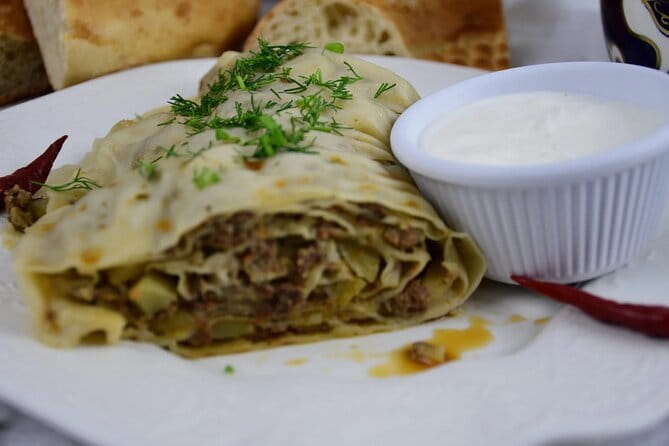
Samsa is where the experience becomes personal. Pastry has texture, and texture is hard to fake. When you work the dough and shape it, you learn that samsa is not only about filling. It’s also about sealing, thickness, and the final result after baking.
And yes, this is one of those dishes that can be a little messy. Your hands may pick up flour or dough bits. Treat it like part of the deal.
Vegan and meat options: tell them early
The class has catered to both vegan and meat options in at least one highlighted experience, which is a great sign for flexibility. The key is communication. If you have an allergy or dietary restriction, you should inform the provider in advance so they can adjust what you cook. Don’t wait until the day-of and hope the kitchen can improvise.
Family interaction: the real cultural “lesson” is how you talk
The cooking is the activity, but the family interaction is the meaning. Spending time with a local family shifts the day from tourism to relationship. You’ll share stories and laughter, and you might even get simple, low-pressure moments like chess. That matters because it gives the conversation somewhere to go even if language is limited.
Here’s what I’d watch for as you go: try to treat your host like a person, not a teacher. Ask short questions about routines, food choices, or what certain dishes mean to their family. If you’re respectful and curious, you’ll usually get more detail than you expect.
Also, remember that home space has its own rules. You might see practical habits you would never notice in a museum setting. Keep your pace easy, follow the guide’s cues, and go with the flow. The best home experiences feel a bit like you’re visiting a friend who happens to be hosting you for five hours.
Silk carpets in Samarkand: seeing craft beyond the shop

After cooking, the itinerary adds a stop at the Samarkand Bukhara Silk Carpets factory. This part is useful for two reasons.
First, it ties Uzbekistan’s textiles to real manufacturing. You get context for why carpets and rugs are treated as serious craft here, not just decorative souvenirs. When you see processes linked to quality, your shopping brain upgrades from hype mode to evaluation mode.
Second, it gives the day a change of scenery. After hands-on cooking, walking through a factory setting feels like a reset. It’s also an easy place to ask questions about materials and methods, especially if you’re the type who likes knowing how things are made.
What to do if you hate shopping pressure: keep your expectations realistic. A factory visit can include sales, but your job is simply to observe and learn. If you don’t want to buy, you can still get value by understanding what makes a piece work as a product, not just as a pretty picture.
Price and time: is $63 good value for Samarkand?

At $63 per person for an approximately 5-hour experience, this sits in the “mid-value” range for Samarkand. The reason it can feel worth it is that you’re not only paying for instruction. You’re paying for access to a family home, guided translation and pacing, and the added stops that connect food to daily life and local craft.
Also, the operational details help your day run smoothly. Pickup is offered, and you use a mobile ticket, which saves friction. You’re not spending half your morning figuring out where to go and where to stand. That matters on a short schedule.
One more practical note: this activity has a maximum of 100 travelers. That’s a large ceiling, but in practice it typically keeps the logistics organized. The real question for your personal experience is whether your guide keeps the group moving while still giving you time to ask questions in the cooking portion.
Booking-wise, the average time people reserve is about 11 days in advance. If you want a specific day or you have dietary needs, I’d treat that as a hint to book early rather than waiting.
Logistics that actually affect your day

This experience runs within the provider’s daily window of 9:00 AM to 6:00 PM. That’s helpful because it means you can plan around your other Samarkand sights without waking up at an inconvenient hour.
If you’re relying on public transportation, it’s listed as near public transportation, and service animals are allowed. If you have allergies, special diets, or health constraints, do not keep it vague. Send exact details in advance so the kitchen can adjust rather than guess.
Confirmation is received at the time of booking, which reduces uncertainty. On the day, you’ll show your mobile ticket to your guide or pickup point as directed.
Quick packing and etiquette tips for a home-based class
Because this is in a family setting, comfort matters more than fashion. Wear clothing you don’t mind getting slightly messy, especially if you’ll handle pastry dough or spices. Closed-toe shoes are a good idea.
Bring a small amount of cash only if you think it’ll help with snacks or extra purchases, but don’t expect this to be a shopping-heavy day. If you want photos, ask first out of respect for a home environment.
Most importantly: show up with questions. Even a simple question like what makes their favorite plov different from a restaurant version can open a friendly conversation.
Who should book this, and who might prefer something else
This is a great fit if you want more than a photo-based visit. If you like hands-on learning, you’ll get real satisfaction from cooking dishes like plov and samsa while understanding how they fit into daily life.
It also suits travelers who care about food variety. If you need vegan options or have dietary restrictions, this class can be adjusted as long as you inform the provider in advance.
You might choose a different option if you dislike home-based formats. Some people prefer strictly public venues where nothing feels personal. Also, if you’re booking specifically on a Monday, expect Siyob Bazaar to be unavailable due to closure, and plan your expectations around that.
Should you book this Samarkand Life Experience with a local family?
I think you should book it if you want Uzbek food taught in context, not as a stage performance. The combination of a family home cooking session, Siyob Bazaar, and a silk carpet factory makes the day feel like more than one activity. It’s a clear path through daily life, ingredients, and craft.
Book with extra confidence if you care about hands-on cooking and you’re willing to communicate dietary needs early. And if Monday is your only option, just remember Siyob Bazaar is closed, so the street market part may not happen as usual.
If you’re on the fence, here’s the simple test: do you want to come away able to explain what goes into Uzbek classics after cooking them yourself? If yes, this is a strong choice.
FAQ
How long is the Samarkand cooking class?
It’s approximately 5 hours.
What does the experience include?
You start at Siyob Bazaar, cook Uzbek dishes with a local family (including plov, shashlik, and samsa), interact with the family, and visit the Samarkand Bukhara Silk Carpets factory.
Is pickup available?
Yes, pickup is offered.
Is Siyob Bazaar open every day?
No. Siyob Bazaar is closed on Monday.
Can dietary restrictions be accommodated?
Yes. If you have special dietary restrictions or allergies, you need to inform the provider in advance so they can cater for you.
What dishes will I cook?
The class includes typical Uzbek dishes such as plov (rice pilaf), shashlik (grilled meat), and samsa (savory pastries).
Do I need a paper ticket?
No. You’ll use a mobile ticket.
Is free cancellation available?
Yes. You can cancel up to 24 hours in advance for a full refund.
Is there a limit on group size?
Yes. The experience has a maximum of 100 travelers.
More Workshops in Samarkand
- Samarkand: Cooking class with local family
★ 5.0 · 3 reviews - Master Class – Uzbek Bread in Khiva
★ 4.4 · 125 reviews - Master Class – Shivit Osh Traditional Food Of Khiva
★ 4.2 · 27 reviews - Plov and Samsa Cooking Class in Tashkent
★ 4.3 · 6 reviews
Latest reviews out of Samarkand
- Explore Samarkand Guided Tour with Transfers★ 5.0 · 3 reviews
- Ancient and Modern tour in Samarkand with Transport★ 5.0 · 3 reviews
- Penjikent Day Trip From Samarkand★ 5.0 · 3 reviews
- Amankutan Trek One Day Tour From Samarkand★ 3.9 · 3 reviews
- Samarkand Capital of Amir Timur Private Tour with Transport★ 5.0 · 3 reviews
- Seven Lakes Panjakent: One-Day Adventure from Samarkand★ 5.0 · 3 reviews
- Samarkand: Private Guided Tour with a Local★ 5.0 · 4 reviews
- Samarkand City Tour★ 5.0 · 4 reviews
Samarkand Tours, compared.
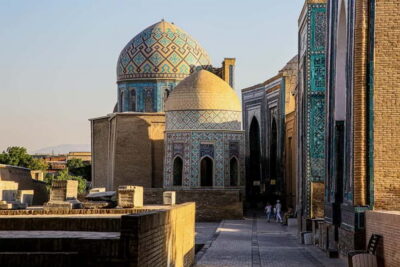
Samarkand: Historical Monuments Guided Walking Tour
Read our review →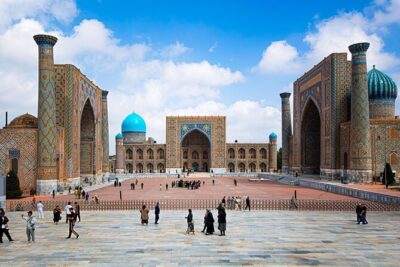
Private Samarkand City Tour With Transportation
Read our review →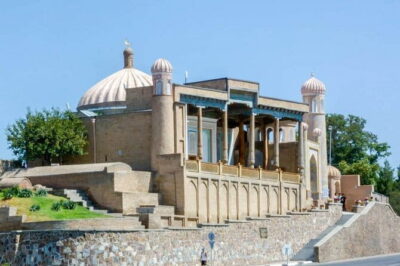
A City Tour Of Samarkand: The Pearl Of The East
Read our review →
Full Day Private Tour in Seven Lakes from Samarkand
Read our review →
Samarkand One Day Tour: one day walking & group tour
Read our review →
Samarkand: Shahrisabz Day Trip with Optional Local Guide
Read our review →
Browse the lists this tour appears in