
A Tashkent gastronomic tour works because Uzbek food is built for sharing, street life, and real technique, not just sightseeing with snacks. In about 4 hours, you get a clear flow from staple comfort food to market flavors, plus hands-on moments that make the tastes stick.
Two things I really like: the focus on standout classics like pilaf and tandyr samsa, and the fact that you also see the ingredient side at local bazaars. One thing to consider, though, is that it mixes seated eating with walking, so comfy shoes matter.
Key things that make this Uzbek food tour worth your time
- Pilaf first, then market walking, so you build appetite and context fast
- Chorsu bazaar time for bread, ingredients, and local shopping you can actually use
- Hands-on bread prep and tandyr cooking moments, not just watching from afar
- Chef-led cooking lesson where technique is the point, not a lecture
- A well-organized route with reliable pickup and drop-off, including an air-conditioned vehicle
- A filling finish with dishes like mastava and shashlik, plus big portions
Price and logistics: what you pay for at $130
At $130 per person for a 4 hour tour, you are paying for three things that are hard to DIY well: transport, an experienced guide, and multiple timed food stops. If you try to copy this on your own, you usually end up spending extra time figuring out where to go, ordering without local guidance, and missing the best rhythm of each place.
What the price includes is meaningful. You get a tour with an experienced guide, a local-market or bazaar visit to buy products, a demonstration cooking lesson with a local chef, and at least three places to taste Uzbek cuisine, plus 2 bottles of water during the tour. Pickup is included, and you’ll ride in a comfortable air-conditioned vehicle while still walking part of the route.
What’s not included is also worth noting. You’ll likely pay extra for personal drinks and souvenirs, any entrance tickets if stops require them, and any extra transportation or add-on activities not part of the main flow. For the smoothest day, treat the tour tastings as your main food plan and keep room for the final dishes.
Where else to eat your way through Tashkent:
- Tashkent: Uzbek Culture, Food, Crafts & Pottery Masterclass
★ 5.0 · 24 reviews - Tashkent Vegan Street Food Tour
★ 5.0 · 22 reviews - Tashkent Walking & Food Tour: Highlights + Local Flavors
★ 5.0 · 18 reviews
The 4-hour pace: filling, but not frantic
This is a half-day format, so expect a tight schedule. You’ll start with food, then move through a street walk and bazaar area, and you’ll still have time for a chef-style lesson and more tastings by the end. The upside is you won’t sit around waiting for the day to happen. The tradeoff is that you should plan to eat with intent, not with a wandering appetite.
Because the route includes walking, I strongly recommend:
- Wear shoes you can stand in, especially around market streets.
- Carry a small bag for purchases you plan to bring back.
- Skip extra add-on snacks at first stops, so your later tastings do not feel like a chore.
Also, this tour isn’t for everyone. It’s listed as not suitable for children under 5 and people over 95, which tells you they keep the pacing and route realistic.
Pickup, comfort, and language support that makes the day easier
One of the most practical highlights is how the day starts and ends. Pickup is included, and the experience runs via a comfortable, air-conditioned vehicle with drop-off at the end. You also do some walking, so you are not getting a pure drive-by tour, but logistics are clearly handled.
Language coverage is another real value point. The live guide is available in English, Russian, Turkish, and French. If you are traveling in one of those languages, you’ll get food explanations without playing guessing games on menus. And if you want to ask about ingredients, cooking methods, or what to buy at the bazaar, this kind of language support changes the whole experience.
From an organization angle, the day is built to avoid address confusion and long gaps. The goal is straightforward: you show up, get moving, eat well, and return without turning your evening into an urban scavenger hunt.
Stop 1: pilaf that sets the tone for everything else
Pilaf is Uzbekistan’s answer to comfort food, and on this tour it functions like your anchor dish. You try a famous pilaf made with juicy meat, carrots, and fragrant rice, and it sets expectations for what you’re about to notice in other foods.
Why I think pilaf is the smart first stop:
- It teaches you the flavor base. Once you taste the balance of meat, carrots, and rice, you start recognizing that same logic in other dishes.
- It gives you energy early. After that, you’re walking and sampling, so a solid start helps.
- It prepares you for bread and pastries that use similar ingredients and cooking styles, like tandyr ovens.
A small practical tip: if you tend to get full quickly, take your time with the first pilaf portion. Don’t rush. The rice and meat mix carries a lot of the flavor, and slow chewing makes the tasting more enjoyable later when you move to samsa and soup.
More of Tashkent worth pencilling in
- Best of Tashkent Mountains: Amirsoy, Chimgan & Charvak Trip
★ 4.8 · 567 reviews - Samarkand One Day Tour – Departure From Tashkent
★ 5.0 · 313 reviews - Samarkand One-Day Tour Departure from Tashkent
★ 4.7 · 171 reviews - Tashkent: Amirsoy Resort, Chimgan Mountain and Charvak Lake
★ 4.8 · 170 reviews
Chorsu bazaar walking: where ingredients tell the story
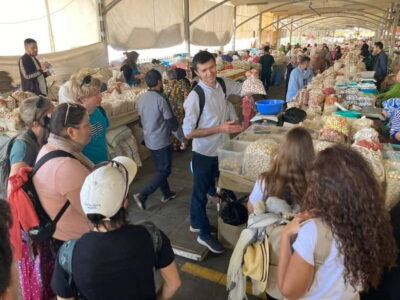
After the first tastings, the tour shifts into street rhythm with a walk to explore local baking and market life. One of the most praised parts is the Chorsu market stop. Even if you’ve visited markets before, a guided visit changes what you notice. Your guide helps you understand what you should look for, and you can also buy local products instead of just taking photos.
This is also where you get a clearer sense of what Uzbek food is built from:
- bread and flour staples
- dried ingredients and spices used in everyday cooking
- market culture, where food isn’t a special event, it’s the routine
Because the bazaar time includes an opportunity to purchase local products, it’s ideal if you like bringing edible souvenirs home. Just plan how you’ll transport them. Use a small reusable bag and expect that some items might need wrapping if they’re crumbly or fragrant.
If you have dietary restrictions, this is also the best moment to ask questions. Not because your guide can guarantee everything, but because they can help you navigate what’s available and what each item typically is.
Flatbreads and tandyr samsa: the best part is seeing it done
Next comes bread and pastry culture, and it is not passive. You’ll taste flatbreads and you can even participate in their preparation. That matters more than you might think. Hand movements during dough prep teach you how Uzbek cooks think about texture and timing.
Then you move into one of the big stars: tandyr samsa. This is the kind of Uzbek snack that works because it matches the local cooking tool. Tandyr ovens create heat that helps the pastry develop structure, while the filling stays juicy. You’re not just eating a snack, you’re tasting a cooking method.
What makes this stop extra fun is the combination of:
- watching real hands at work
- eating fresh from the cooking environment
- learning what to look for next time you see similar foods
Practical note: samsa is often best eaten while warm. If you’re the type who likes taking pictures first, at least keep one piece ready to eat quickly so the pastry doesn’t cool off completely.
Cooking lesson with a local chef: useful technique in a short time
A highlight built into the tour is the demonstration cooking lesson with a local chef. Even though it’s not a full, long workshop, it gives you something restaurants rarely do: a moment to connect taste with process.
In a short session like this, the most valuable outcome is understanding the logic behind Uzbek cooking. You’ll typically learn how ingredients come together and what cooks aim for, like texture, aroma, and balance. That means when you eat later, it’s not just flavor. It becomes a mini lesson you can carry into future meals.
I also like this part because it breaks the day into modes. You go from street walking to sitting down to a focused cooking explanation. It helps the tour feel like more than a food binge, even though you are definitely eating.
If you want to remember it later, take notes on anything your chef explains that you can’t easily infer from taste alone, like how a dough should feel or what signs cooks watch for.
Mastava and shashlik: the classic finale with big portions
By the later part of the tour, the day shifts from snacks into heavier comfort dishes. Mastava is a standout in the experience. You try this famous Uzbek dish as part of the tour flow, and it’s the kind of food that feels like a reset after a walk and pastry stops. It also shows how Uzbek cuisine handles depth, not just bread and meat.
Then comes shashlik, often described as a strong finish. And here’s a practical detail that you should plan for. Portions can be large. In at least one account, the shashlik was wrapped to go at the end because everyone had eaten plenty. So if you know you have a small appetite, pace yourself. If you do want leftovers for later, bring a small bag for your day bag so you can handle take-away easily.
If you’re wondering when to stop buying extra snacks, use this rule of thumb: try the tour’s main dishes first, then decide what you want more of from there. The tasting flow is designed so you don’t just sample everything, you also get those full-dish moments that make the tour feel complete.
Optional sightseeing moment: TV tower views without a separate day
Some versions of the route include a stop at the Tashkent TV tower, giving you a quick sightseeing break while the tour stays food-focused. It’s a nice mix when you want a view of the city, but you do not want to spend a whole day on a separate sights program.
Because your tour includes food stops as the core, think of the TV tower stop as a bonus rather than the reason to book. The key value still comes from tasting and learning how people cook.
Price and value at a glance
So, is $130 a good deal? For a half-day food tour, I’d say it’s fair when you care about these specific things:
- You want multiple tasting stops rather than one meal.
- You want market time where buying local products makes sense.
- You want a chef-led lesson for technique and context.
- You want pickup and drop-off so you can focus on eating and walking.
If you already have a guide and you’re confident navigating bazaars and ordering safely, you might do it cheaper alone. But your time will likely cost more than you expect. Also, the included water and organized flow help keep the day comfortable and simple.
The only potential drawback on value is that entrance tickets and extra drinks are not included. If you drink a lot of bottled beverages outside the included water, the total cost can creep up.
Who this Uzbek tastes tour is best for
This tour is a great match if you:
- want an easy, guided food plan that does not require map skills
- care about learning what you’re eating, including basic technique from a chef
- like markets and want help picking what to buy
- enjoy a structured route with pickup, transport, and a clear end time
It may feel less ideal if you:
- dislike walking in market areas, even at a moderate pace
- have a very strict schedule and need extremely long meal breaks
- want only a quiet sit-down restaurant experience, since the day includes street and market moments
Should you book this Tashkent food tour?
I’d book it if your main goal is to eat your way through Uzbek classics with a guide who can connect flavor to cooking. The standouts are the pilaf, the tandyr samsa, the mastava, and the well-managed ending with shashlik, plus the practical support of pickup and multilingual guidance. The bazaar stop at Chorsu market also adds real value, because it turns tasting into something you can take home.
Skip it only if you hate walking, you need long unstructured time for shopping, or you want food without any chef instruction or market context. For most people chasing the best taste of Tashkent in one half day, this is exactly the kind of trip that saves time and improves your choices.
FAQ
How long is the Oriental Tastes of Tashkent tour?
The tour lasts 4 hours.
What is included in the price?
The tour includes tastings at three or more places, a visit to local markets and bazaars, a demonstration cooking lesson with a local chef, an experienced guide, and 2 bottles of water.
Do I need to pay for entrance tickets?
Entrance tickets are listed as not included. If any stop requires a ticket, you would pay that separately.
Is pickup included, and will we walk?
Pickup is included. You travel in a comfortable air-conditioned vehicle, but you will walk part of the route.
What languages are available for the guide?
The live guide is available in English, Russian, Turkish, and French.
Who is the tour not suitable for?
The tour is not suitable for children under 5 and people over 95.
Latest reviews out of Tashkent
- Tashkent Mountain Tour Amirsoy with Transport★ 3.5 · 3 reviews
- Private Intercity Transfer Tashkent – Samarkand – Tashkent★ 3.5 · 3 reviews
- Amirsoy & Chimgan mountain tour from Tashkent★ 5.0 · 3 reviews
- Tashkent: 3-Day Horseback Riding Tour in Chimgan Mountains★ 4.4 · 3 reviews
- Private Tashkent City Tour★ 5.0 · 3 reviews
- Transfer Tashkent Airport / Railway Station – Hotel★ 3.5 · 3 reviews
- Heliocomplex “Institute of the Sun” – Remnants of USSR★ 5.0 · 3 reviews
- Tashkent One Day Tour★ 4.6 · 4 reviews
Tashkent Tours, compared.
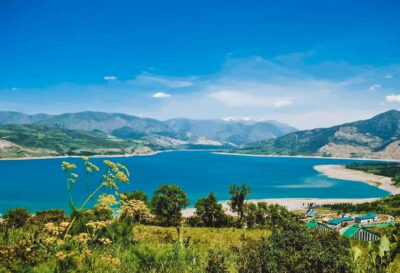
Best of Tashkent Mountains: Amirsoy, Chimgan & Charvak Trip
Read our review →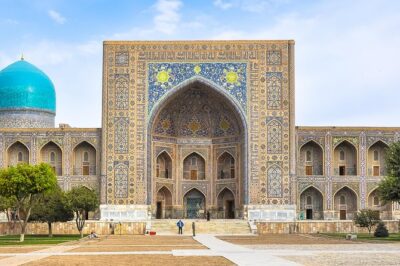
Samarkand One Day Tour – Departure From Tashkent
Read our review →
2 Days Tour to Bukhara and Samarkand from Tashkent by train
Read our review →
Browse the lists this tour appears in