
Reviewed · SAMARKAND TOURS
Samarkand: Uzbek Cooking Class in a Village Home
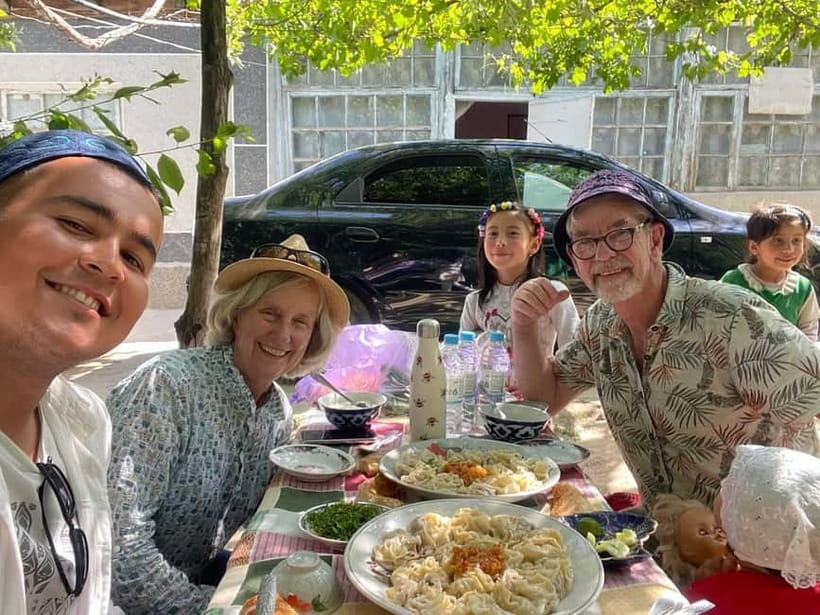
This is a half-day food lesson that feels like a real village day, not a staged show. You cook Plov over an outdoor fire in a traditional way, then learn to make Mantu dumplings by hand with a local family.
Two things I especially like: you get hands-on, practical technique (not just watching), and you spend real time with people and animals in the household garden. One possible drawback is that the cooking includes meat, so it may not fit vegetarian or vegan diets, and there are other listed health and allergy limits.
You’ll be picked up in Samarkand and driven about an hour to a village home. From there it’s cooking, tea under grapevines, and a village tour that goes past the plate.
Key Points You Should Care About
- Open-fire Plov cooked in a qozon with the layering style that gives Uzbek flavor
- Hand-made Mantu with thin dough and steaming in a mantuvarka
- Bekjon and family hospitality, including his mother’s guidance and patience
- Village life included, garden time, animal feeding, and tea under a grapevine
- English live guide, plus transfers from Samarkand to the village and back
- Meat-based menu, so plan ahead if you have dietary restrictions
A Village-Home Cooking Class That Feels Like Real Life
The best part of this experience is that it’s built around how Uzbek families actually cook, not just how tourists eat. You start in a traditional clay-brick village home and move outside as the cooking starts. That shift from indoors to outdoor fire cooking changes the whole mood.
The day is structured, but it still feels personal. You work with the host family on ingredients and shaping the food, and you get to ask questions as you go. I like that the teaching focuses on the process, like how to prepare ingredients and how to build flavor in layers.
On the practical side, it’s a short commitment: 5.5 hours total. You get a lot of food education in a manageable time window, especially compared with longer multi-day tours.
More Cooking Classes in Samarkand
- Samarkand: Village Tour with Plov Cooking Class & Home Visit
★ 5.0 · 29 reviews - Cooking class in Samarkand with local life experience
★ 5.0 · 19 reviews - cooking traditional food in Samarkand with local people
★ 4.8 · 17 reviews
Getting There From Samarkand, And Why The Drive Matters
This is not a “right around the corner” activity. The village is about one hour away from Samarkand, with transfers included hotel-to-village and back. You’ll be picked up from your chosen location in Samarkand, and you just need to share your pickup address (hotel, train station, or airport).
Why the drive is part of the value: the countryside setting sets expectations for the whole class. Instead of arriving to a restaurant kitchen, you arrive to household rhythms, animals, and gardens that connect directly to the ingredients you’ll cook.
Timing-wise, the whole experience runs 5.5 hours, and the actual cooking class time is 3.67 hours. That usually means you’re not rushed through the steps, but you still move at a “village pace,” with breaks built in while food cooks.
Village Welcome, Garden Time, And Meeting The Family
Once you arrive, you’re welcomed by the host family in their traditional home. This is where the day becomes more than a recipe lesson. You meet the people who live the life you’re learning about, and that changes how you pay attention to the details.
You’ll also tour the village property, including a garden and an animal area with cows, sheep, chickens, and even donkeys. There’s time to feed the animals, then relax with tea under a grapevine.
In practical terms, this early “slow start” helps you settle in before you start cooking. It also makes the meal feel earned. When you see how plants and animals fit into daily life, the ingredients stop being generic. They become part of a working household system.
One small consideration: this is an activity outside in a rural setting, so wear comfortable clothes and plan for sun. Bring sunscreen even if you think you’ll only be outside briefly.
Plov Over Wood Fire In A Qozon (The Skill Behind The Flavor)
Now for the headline dish: Uzbek Plov. This class is built around learning Plov in the traditional way, cooked over an open fire using a large cast-iron pot called a qozon.
You’ll prepare key ingredients with the host’s guidance, including locally grown staples like rice, carrots, and onions, plus lamb or beef. You’ll also work with a spice blend that matters for that classic Uzbek aroma. The teaching focuses on the idea of layering flavors, so you’re not just dumping ingredients in a pot and hoping.
What I find most useful here is that you do the work yourself. You’ll stir, taste, and assist while the Plov simmers. That hands-on time is where you learn judgment, like when the mixture is ready for the next step, and how to maintain the right cooking rhythm over fire.
While the Plov cooks, you get breathing room. You can explore the garden, spend a little time with the animals, or just relax with green tea. That waiting time is not wasted. It’s when the smell takes over, you ask questions, and the day turns into a genuine village lunch.
More kitchens to book into around Samarkand:
- Private Samarkand Cooking Class with Market Tour & Transfers
★ 5.0 · 14 reviews - Cooking Class in the Village with Local Family in Samarkand
★ 5.0 · 11 reviews - Samarkand Local Family Cooking Class and Siyob Bazaar Tour
★ 5.0 · 5 reviews - Plov Cooking Class at Local Uzbek House
★ 5.0 · 5 reviews
A quick heads-up on meat and substitutions
Because Plov typically uses meat (lamb or beef), it may not match vegetarian or vegan needs. The class does mention vegetarian alternatives for Mantu, but it’s best to ask ahead about what is possible for the Plov part if your diet is strict.
Handcrafting Mantu Dumplings, Step By Step
After Plov, you move to Mantu, the delicate steamed dumplings filled with minced meat and onions and wrapped in thin handmade dough. This is the “precision” part of the class.
You’ll learn to roll out dough, shape the dumplings using traditional techniques, and steam them in a multi-layered pot called a mantuvarka. The shaping step is where you get real coaching. Your fingers learn the technique while you’re guided through each stage, so you don’t just memorize a method.
There’s also a social and cultural angle here. Mantu is often shared as a family activity, especially during holidays and gatherings, and this class reflects that tradition. You can feel the care that goes into making the dough thin and the filling evenly portioned.
If you’re vegetarian, the class states that alternatives like pumpkin or potato-filled Mantu are offered. If you have allergies, you’ll want to confirm what ingredients are used for your filling options and whether they can safely accommodate your needs.
If you’re worried about food texture or heat
Mantu involves working dough and steaming. People who prefer quiet, detail-focused tasks often enjoy this section. If you have any concern about standing and using your hands for shaping dumplings, plan accordingly.
What You’ll Eat, Plus The Comfort Of Tea And Snacks
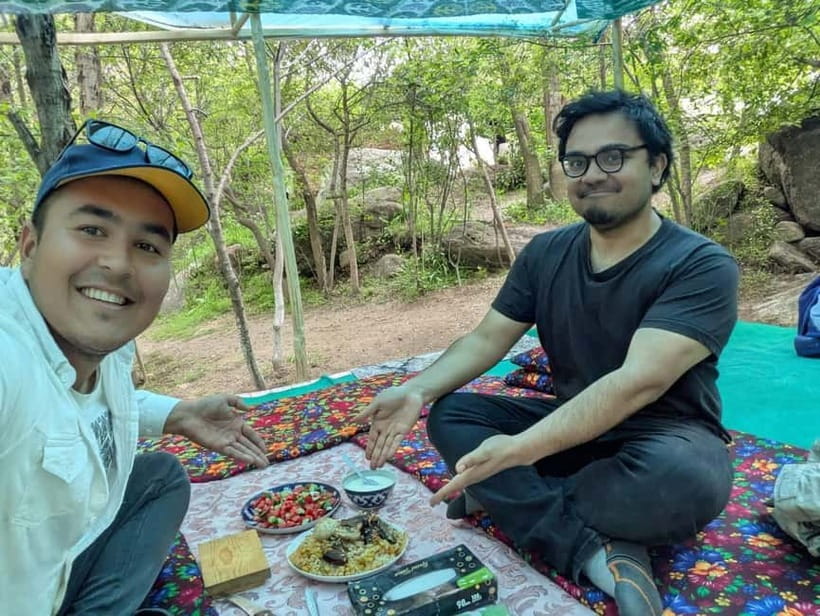
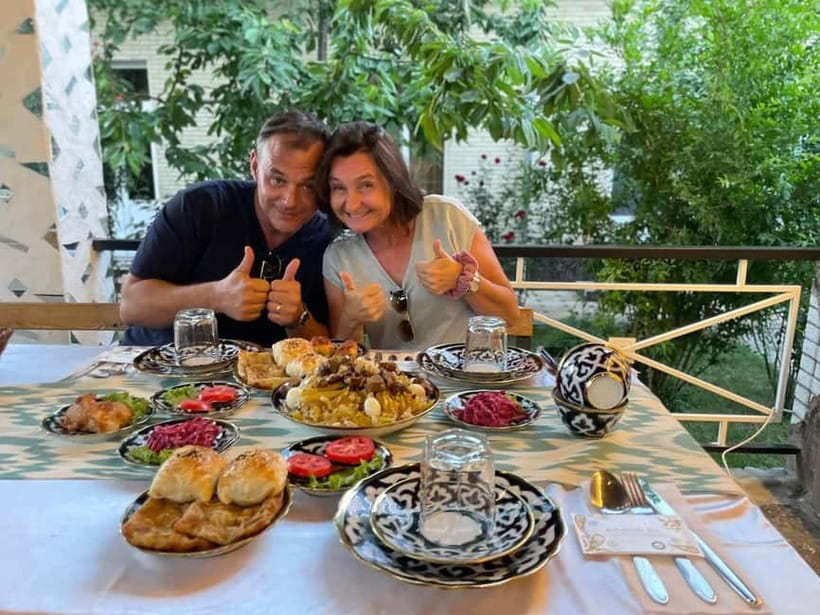
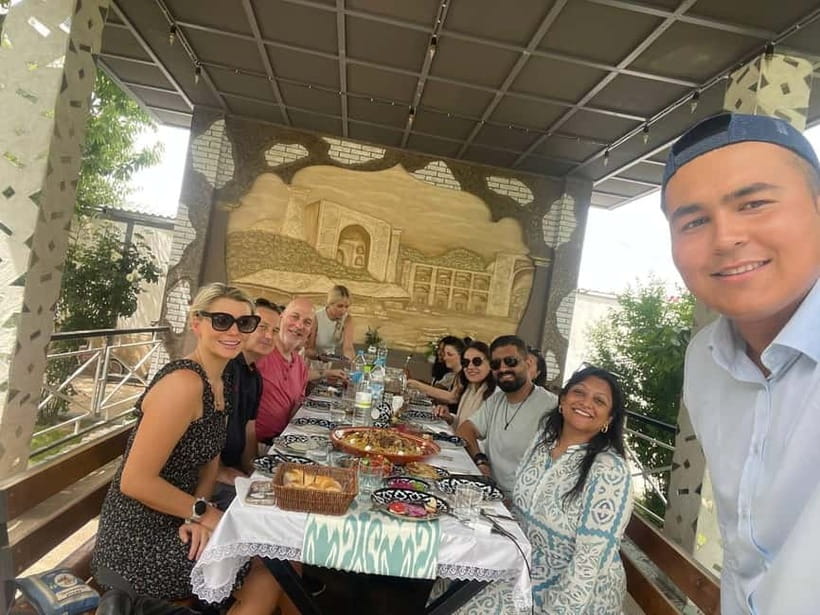
At the end, you share the food your group prepared, sitting together as part of the meal. The class includes tea under a grapevine, and local snacks are typically part of the experience as well.
The Plov portion can be generous. It’s the kind of meal where you’ll likely be satisfied for the day and maybe wish you had skipped a heavy lunch beforehand. The communal eating matters, too. It’s not just about tasting food, it’s about how families share it.
The tea break helps reset you between cooking stages. It also turns the class into a social experience, not a timed workshop. That’s part of the value of doing this in a village home rather than a commercial kitchen.
Price And Value: Is $52 A Fair Deal?
At $52 per person for 5.5 hours, this sits in the “good value” category if you care about both food and cultural context.
Here’s what’s included:
- The cooking masterclass
- A guided village tour
- Ingredients for cooking
- Tea under a grapevine
- Transfer between Samarkand and the village
What’s not included is personal expenses, which is standard.
So what are you really paying for? Not just recipes. You’re paying for: transportation time, English-speaking guidance, ingredient prep and cooking instruction, plus that full village welcome with garden and animal time. In many cooking classes, you get a meal and a recipe list. Here, you get the full process, plus an authentic setting where the meal makes sense.
If you’re the type of traveler who loves learning practical technique, this is the sweet spot. If you mainly want a fancy restaurant-style tasting, you might find it less aligned with your expectations.
The “Smooth Day” Checklist Before You Go
A class like this runs best when you show up ready for hands-on work and outdoor time. Based on the provided guidance, here’s your simple packing list:
- Camera (there’s a lot to photograph, especially the village setting and cooking process)
- Sunscreen
- Comfortable clothes
Also, if you have dietary restrictions or allergies, contact the operator ahead of time. The class includes meat in the cooking, and it lists several limitations for people with certain health needs and for people with animal allergies or recent surgeries.
If language is a concern, you’ll likely manage with the English live guide. Having a phone translation app can still be helpful, especially for questions about ingredients or substitutions.
Who This Experience Fits Best (And Who Should Rethink It)
This is a great match for:
- Food lovers who want to learn Plov and Mantu in a traditional home setting
- People who like learning by doing, stirring and shaping instead of watching
- Travelers who want rural life near Samarkand, including gardens and feeding animals
- Anyone comfortable with a meat-based cooking environment
It may not be the best fit for:
- Vegetarians or vegans if you cannot eat meat-based dishes (the class notes meat and offers vegetarian alternatives for Mantu, but it does not promise a fully meat-free Plov)
- People with animal allergies (the day includes interacting with farm animals)
- People with diabetes or people with recent surgeries (listed as not suitable)
- People with back problems (listed as not suitable)
- Very young children (babies under 1 year) or very elderly travelers (listed as not suitable for people over 95 years)
If you fall into any of those categories, check first if you can participate comfortably and safely.
Should You Book This Samarkand Plov And Mantu Class?
I’d book it if you want a true Uzbek village day that teaches you more than a set of steps. The best reason is the combination: open-fire Plov in a qozon, plus hand-made Mantu with guided shaping and steaming, all taught by a local host named Bekjon and supported by his family.
Skip it if you need a fully vegetarian or vegan menu, or if the idea of outdoor work and farm-animal time doesn’t suit your health or comfort level.
If you want to leave Samarkand with something practical you can recreate, plus a memory of a real village home, this is a strong choice.
FAQ
Where is the cooking class located?
It takes place in the Samarqand Region in a village home about one hour away from Samarkand.
How long is the experience?
The total duration is 5.5 hours, with 3.67 hours of cooking class time.
What dishes will I learn to make?
You can learn Plov and Mantu.
Is pickup from Samarkand included?
Yes. Hotel-village-hotel transfers are included. You should provide your pickup address (hotel, train station, or airport).
Is the class vegetarian or vegan friendly?
The class involves cooking with meat, so it may not be suitable for vegetarians or vegans. Vegetarian alternatives like pumpkin or potato-filled mantu are offered.
What’s included in the price?
Included are the cooking masterclass, guided village tour, ingredients for cooking, tea under a grapevine, and the transfer between Samarkand and the village.
What’s not included?
Personal expenses are not included.
What language will the guide speak?
The live tour guide speaks English.
What should I bring?
Bring a camera, sunscreen, and comfortable clothes.
Can I cancel and can I pay later?
You can cancel up to 24 hours in advance for a full refund. You can also reserve now & pay later to keep your plans flexible.
More Workshops in Samarkand
- Samarkand: Cooking class with local family
★ 5.0 · 3 reviews - Master Class – Uzbek Bread in Khiva
★ 4.4 · 125 reviews - Master Class – Shivit Osh Traditional Food Of Khiva
★ 4.2 · 27 reviews - Plov and Samsa Cooking Class in Tashkent
★ 4.3 · 6 reviews
Latest reviews out of Samarkand
- Explore Samarkand Guided Tour with Transfers★ 5.0 · 3 reviews
- Ancient and Modern tour in Samarkand with Transport★ 5.0 · 3 reviews
- Penjikent Day Trip From Samarkand★ 5.0 · 3 reviews
- Samarkand Capital of Amir Timur Private Tour with Transport★ 5.0 · 3 reviews
- Amankutan Trek One Day Tour From Samarkand★ 3.9 · 3 reviews
- Seven Lakes Panjakent: One-Day Adventure from Samarkand★ 5.0 · 3 reviews
- Samarkand: Private Guided Tour with a Local★ 5.0 · 4 reviews
- Samarkand City Tour★ 5.0 · 4 reviews
Samarkand Tours, compared.
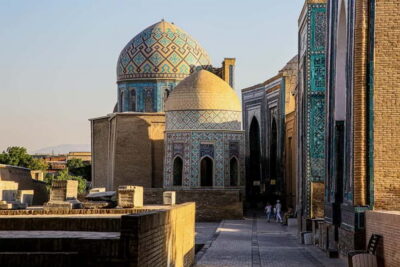
Samarkand: Historical Monuments Guided Walking Tour
Read our review →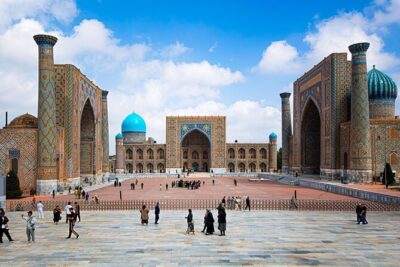
Private Samarkand City Tour With Transportation
Read our review →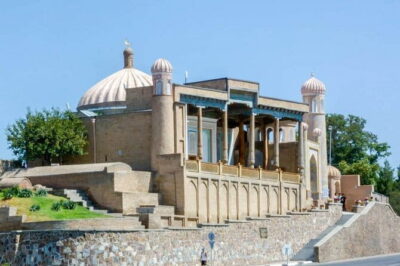
A City Tour Of Samarkand: The Pearl Of The East
Read our review →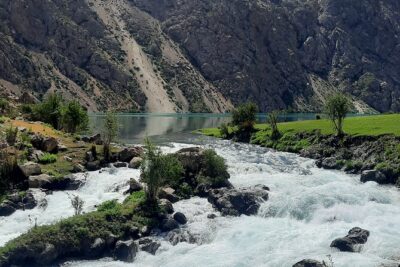
Full Day Private Tour in Seven Lakes from Samarkand
Read our review →
Samarkand One Day Tour: one day walking & group tour
Read our review →
Samarkand: Shahrisabz Day Trip with Optional Local Guide
Read our review →
Browse the lists this tour appears in