
What makes this outing interesting is the switch it forces on your Khiva trip. You get out of the minaret-and-mosaic zone and into wind, sand, and far-flung ruins that still feel tied to real history. I love the English-speaking guide who turns ruins into stories, and I also like the AC car that keeps the drive civilized. One possible drawback: these are mostly ruins, so if you want restored monuments, you might feel the sites are a bit fragmentary.
You’ll start with hotel pickup in Khiva, then head out with Sarvar Bobojonov, an English-fluent driver-guide who is known for being punctual and for answering the questions you actually ask. The tour runs about 6 hours total, with short stops at three forts plus a lake break before you’re back around Ichan qala.
Quick hits

- Three desert fortresses in one half-day loop, so you do not waste hours hunting for transport
- Ayaz Kala time includes a guided walk and a chance to ride horses and camels nearby
- English explanations that connect geography, trade, and daily life to what you see in the walls
- Comfort matters: you ride in a car with air conditioning
- Photography-friendly stops, with your guide paying attention to timing and light
Why the Khiva Fortresses Feel So Different From the Old Town

Khiva is the kind of place that can spoil you with beauty. Ichan qala does that in a big way, and after a day inside its lanes, you might think you have already seen the main story. This tour is the correction.
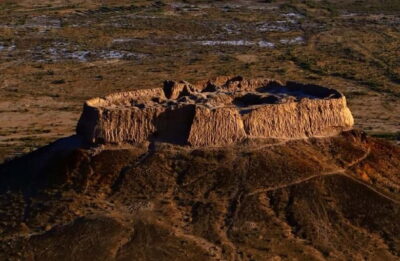
Instead of more tile and arches, you’re looking at forts that once guarded routes and settlements across the Khorezm region. Standing near places like Ayaz Kala, Kyzyl Kala, and Toprak Kala, you start to understand how power moved through the region, not just how rulers decorated their cities.
I also like that your guide keeps it grounded. The explanations are not just dates and dynasties. You get the “why this location, why here, why this shape” kind of thinking, plus real conversation about life in Uzbekistan now. That makes the ruins feel less like a checklist item and more like a place that mattered.
The one caution I would give you up front: time at each fort is intentionally short. That is the point of a half-day tour. But it means you cannot expect a long, slow, museum-style experience at every site.
Setting Off From Khiva: Pickup, Drive Time, and Getting Your Bearings

This tour is built around convenience. You get picked up at your hotel in Khiva, and the description also notes meeting possible at Urgench International Airport or the train station area. That matters if you are stitching together a travel day between Urgench and Khiva.
Once you meet Sarvar Bobojonov, you head out on the road for about half an hour before you start exploring. It is a simple formula: drive, look, walk a bit, learn, repeat.
Because you are in an AC car, you can focus on the sites instead of the logistics. Heat and dust do not fully disappear on these trips, but being able to reset in comfort between stops is a real quality-of-life upgrade.
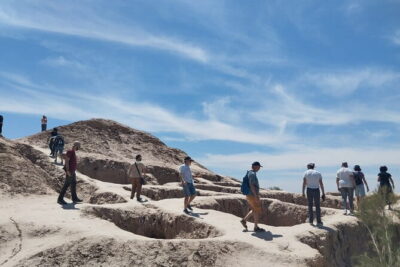
Practical tip: wear comfortable shoes. These are outdoor ruins, and even if paths are straightforward, you will still want solid footing for uneven ground.
Also, plan to be flexible with pace. A good desert-day driver-guide will adapt to how fast you move and how many questions you ask. That is how you get the best version of the tour, not the rushed version.
Ayaz Kala: Your Best Time Spot, Plus the Horse-and-Camel Moment

If you like your tours to have a “main event,” Ayaz Kala is it. You get a guided visit here (the plan lists about 1 hour), and this is where the fort and its surroundings give you the most atmosphere.
Here is what I think makes Ayaz Kala worth your time:
- You get enough time to walk around, not just stand and take one photo.
- Your guide connects what you see to the broader picture of the region.
- There is a chance to ride horses and camels near the fortress.
That riding option is not mandatory, but it adds a lived-in feeling to the stop. It turns the visit into a memory, not just another set of walls.
When you are at Ayaz Kala, slow down for a minute and look beyond the main ruins. The power of these forts is in how they sit in their setting. You start noticing how visibility, distance, and terrain would matter to anyone moving through the area long ago.
Photo tip without the fuss: take a couple of wider shots first, then go for close-ups. Fort ruins can look different once you see the scale. And if you care about getting better light, ask your guide when the light is most flattering. The guide on this route is known for working with photography timing.
Kyzyl Kala: Half an Hour That Still Connects the Dots

After Ayaz Kala, you continue to Kyzyl Kala for about 30 minutes. That time window is short, so you need the guide’s narration to do some heavy lifting. The good news is that the tour is designed for that.
At Kyzyl Kala, focus on three things:
- How the walls and shapes suggest defense and settlement.
- How it relates to the other forts you are visiting the same day.
- The bigger geography story your guide is building as you move.
Because you only spend a half hour here, you cannot “learn everything” in the academic sense. But you can absolutely leave with a clearer mental map. That is valuable. It also makes the next fort more understandable.
If you dislike rushing, do not fight the pace. Instead, pick a single viewpoint and take it in. Even with limited time, you’ll get the sense of place.
Toprak Kala: Another Fort Stop With a Different Feel

Next comes Toprak Kala, again with about 30 minutes on the ground. With Ayaz Kala, you often get a stronger sense of arrival. With Toprak Kala, you tend to get a stronger sense of scale and the way these sites were part of a system.
This is also where the value of an English-speaking guide really shows. You are not just looking at ruins, you are comparing. You start to see how different fortresses could play different roles, depending on location and function.
Toprak Kala can feel more “out in the open,” and that is exactly why it is worth visiting. These sites help you understand why Khorezm history is tied to routes and survival, not only to court life.
Quick practical note: bring water. The tour data lists comfortable clothes, but the desert day reality is water and basic snacks. If you want to avoid a mid-drive energy dip, pack a small bottle and something simple.
Akchakol Lake: A Breather Before You Return to Ichan Qala

Once the fortress time is done, you head to Akchakol lake. The tour includes this as a later stop after the forts, giving you a change of pace and scenery.
This is not just a random add-on. After walking through ruins and desert air, a lake stop helps you reset your brain. You also get a different kind of photos and a better sense of how the environment supports everyday life.
The tour description mentions you will have time to ride near Ayaz Kala, but at Akchakol the goal is more about breathing and taking in the environment after the history-heavy part of the day.
Then you head back to Khiva, with the experience finishing near Ichan qala.
Price and Value: What $99 Per Group Up to 2 Really Buys You

At $99 per group up to 2, this tour is priced for small groups. That is often the sweet spot in Khiva, because you can actually have real conversations instead of trading answers through a crowd.
What you get for the money:
- English speaking driver and guide
- A car designed with air conditioning
- Fuel expenses covered
- Fortress entry fees listed as included (the description also says entry fees are not required)
And the biggest value is not only the transportation. It is the interpretation. Fortresses are not always easy to read from a distance, especially when you are seeing them as ruins. With a guide who can explain why each place matters, you spend your time better.
Now, a fair comparison: yes, you could try to reach some of these sites by taxi. But the cost advantage can disappear the moment you factor in waiting time, backtracking, and the lack of explanation. On this tour, you get a pre-planned route and a driver-guide who keeps things moving.
So I think the value case is strongest if:
- You want to see multiple forts without wasting half a day in transit
- You care about what you are looking at, not only that you visited
- You prefer a comfortable car for the drive
Logistics That Matter: What to Bring, How to Time Your Day

This is a 6-hour half-day experience, so it fits well as your first or last afternoon in Khiva. If you do it early, you see the “other Khiva” beyond the old town. If you do it later, you get extra context for everything you noticed inside Ichan qala.
What to bring is simple:
- Comfortable shoes
- Comfortable clothes
Then add the real-life extras that make desert travel pleasant:
- water
- a light snack
- a hat or sunscreen, depending on the season
Also, think about how you want your day to feel. This is not a slow, lingering tour. The schedule is built on quick walks and focused stops. If you love photos, the guide’s attention to timing for good lighting can help. If you love conversation, the drive time gives plenty of room to ask questions about culture and everyday life.
Who Should Book This Fortress Half-Day From Khiva

I recommend this tour most when you want value and context at the same time.
It is a good fit if you:
- are staying in Khiva and want a meaningful day plan without hiring multiple arrangements
- prefer private, small-group attention
- want English interpretation tied to the forts, plus answers about modern Uzbekistan
- like the idea of seeing desert ruins and not only restored city sights
It may not be your best choice if you:
- want fully restored buildings and long guided walks at every stop
- dislike short site times and prefer a slower route
Should You Book This Fortress Half-Day?
Yes, if you want your Khiva visit to feel three-dimensional. This tour takes you beyond the postcard view and into the kind of places where history is written into distance and terrain, not only into monuments.
If your budget allows, book it and go with the mindset that you are touring ruins, not palaces. With the English-speaking guide and a comfortable AC car, you get exactly what makes the experience worthwhile: smart stories, efficient pacing, and that satisfying moment when you realize the fortresses are not random piles of stone.
FAQ
How long is the Half Day Tour from Khiva to Old Fortresses?
The tour duration is listed as 6 hours.
What fortresses and sites are included in the tour?
You visit three main fortresses: Ayaz Kala, Kyzyl Kala, and Toprak Kala. The tour also includes a stop at Akchakol lake.
Where does the tour start and where do you finish?
The tour starts with pickup from your hotel in Khiva, and it can also meet at the airport or train stations. The tour finishes at Ichan qala.
Do I need to pay entry fees?
The description says fortress entry fees are not required, and the included section also lists entry fees for fortresses.
Is the guide available in English?
Yes. The tour includes an English-speaking driver and guide.
What should I bring for the day out?
Wear comfortable clothes and comfortable shoes for walking at outdoor sites.
Other Desert Fortresses
- Transfer: Bukhara – Khiva via Ancient Fortresses
★ 4.5 · 101 reviews - Daytrip From Khiva To Ancient Fortresses
★ 4.6 · 60 reviews - Ayazkala, Toprakkala & Kizilkala Fortress Tour From Khiva
★ 4.3 · 33 reviews - Guided Tour To Old Fortresses
★ 5.0 · 25 reviews
Desert Fortress Tours, compared.
Transfer: Bukhara – Khiva via Ancient Fortresses
Read our review →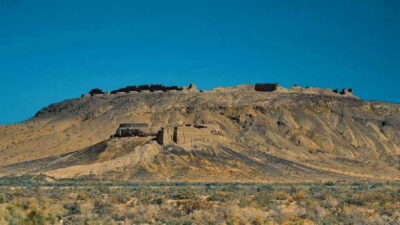
Private Daytrip to 7 Ancient Fortresses of Khorezm
Read our review →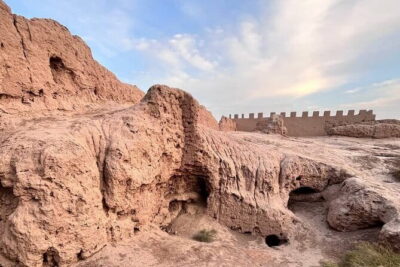

Private Bukhara-Khiva Transfer via Ancient Fortresses
Read our review →Browse the lists this tour appears in