
Reviewed · TASHKENT TOURS
Food tour in Tashkent
A Tashkent food tour is interesting because it links Uzbek classics like plov, lagman, manti, and shashlik to the places where locals actually eat. I like that Chorsu Bazaar gives you a full-on market education, and I also like that the tour uses a dedicated plov stop so you can judge the real flavor, not just hope. One possible drawback: in 4 hours you get tastings, not full restaurant-sized meals at every stop, and one stop may feel more like quick-service than family-run.
You’ll go with a small group (up to 10) and a guide who speaks English or Russian, plus you get pickup in Tashkent and lunch included. That combo matters, because it keeps the pacing realistic and lets you focus on food, not logistics.
Key takeaways before you go
- Chorsu Bazaar time with a photo stop, market walkthrough, and chances to taste snacks, bread, dried fruits, and sweets
- A focused plov lesson at Besh Qozon Pilaf Center, where plov is treated like the main event
- Multiple tasting stops across about two hours of guided food sampling before the market highlight
- Lunch included so you leave satisfied, not just hungry with a few bites in your pocket
- Small-group comfort with a limit of 10 participants and a guide in English or Russian
- Hands-on chances like a bread-making demo or a short mini cooking class, when the schedule allows
A 4-Hour Uzbek Food Tour That Gives You Real Taste, Not Just Labels
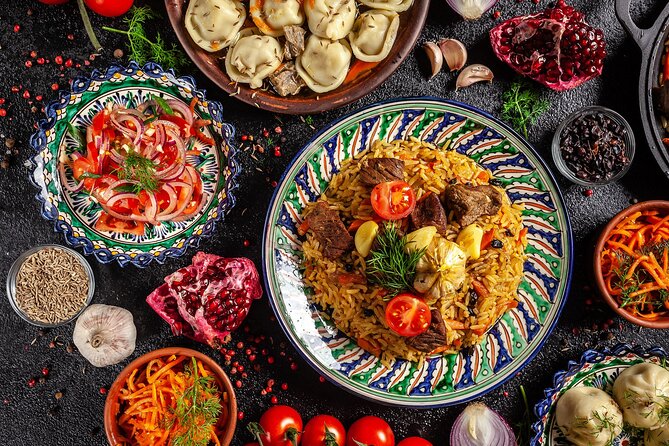
If you only have a half day in Tashkent, this kind of tour is a smart move. Uzbek cuisine can feel simple from the outside, rice, noodles, dumplings, grilled meat. But the flavor comes from technique, spice choices, and the way ingredients are treated. A guided tasting format helps you notice those differences fast.
I like that this tour doesn’t just throw food at you. It tries to connect what you eat to where it comes from, especially through the market part of the experience. You get stories about ingredients, origins of dishes, and how recipes are passed down.
The time limit is the trade-off. You won’t eat everything, and the sampling style means you should come with an appetite for trying many items, not expecting heavy portions at every stop. If you want slow, sit-down dining, you might prefer a longer food crawl.
Where else to eat your way through Tashkent:
- Tashkent: Uzbek Culture, Food, Crafts & Pottery Masterclass
★ 5.0 · 24 reviews - Tashkent Vegan Street Food Tour
★ 5.0 · 22 reviews - Tashkent Walking & Food Tour: Highlights + Local Flavors
★ 5.0 · 18 reviews
Pickup in Tashkent and the Small-Group Advantage
The tour starts with pickup in Tashkent, which is huge if you’re trying to learn the city without turning your day into transit math. Instead of hunting for meeting points, you relax, settle in, and let the guide handle the route.
With a small group limited to 10, the experience stays more conversational. You can ask questions about what you’re tasting and how to read the menu, especially when you run into less familiar items. It also makes it easier for the guide to steer you away from bland options and toward what’s good right now.
Two languages are offered, English and Russian, so you’ll usually have enough language coverage to understand the key points about spices and cooking. That matters because Uzbek flavor is all about small choices, not just heat.
The First Tasting Blocks: How Uzbek Meals Build Flavor in Layers
Right after pickup, you jump into guided food tasting for about an hour, then you get another hour of tasting and guided guidance. The exact order can vary, but the tour is built around classic Uzbek dishes and market-style snacks, the kinds of foods you’ll actually find around town.
This is the stage where you should pay attention to texture as much as taste. Uzbek meals often play multiple roles at once: something chewy, something rich, something tangy, and something grilled. When you taste in a guided sequence, the contrasts start to make sense.
You’re likely to see recognizable Uzbek staples like:
- Plov, the rice dish built from carrots, fat, and spices
- Lagman, often served with flavorful noodles and sauce
- Manti, dumplings that depend on seasoning and dough
- Shashlik, grilled meat that shows how marinades and heat are handled
Even when you only get a small serving, you can still compare the style from place to place. That’s the real value of the early stops. You start to form a personal baseline for what you like, so the later highlights land harder.
If there’s a drawback here, it’s that tastings can blur together if you’re rushing. My advice: slow your chewing, take water breaks, and ask the guide what makes each dish different. A guide can point out the spice blend, the fat used, or how bread is handled, and that turns “food samples” into a mini food education.
Chorsu Bazaar: Market Sense Training for Bread, Spices, and Sweets
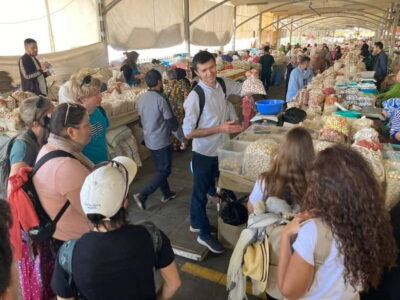
Then you head to Chorsu Bazaar, with a guided visit and a photo stop. This is where the tour becomes more than eating. It becomes about learning how the market works and why certain products show up again and again.
At a market like this, you’ll run into the Uzbek flavor map in real time: dried fruit choices, spice smells, and the rhythm of vendors who know exactly how to sell by aroma. The tour focuses on letting you engage directly, including tasting traditional snacks and breads.
Here’s what I think makes the bazaar stop valuable for you:
- You can connect ingredients to finished dishes. For example, dried fruits and nuts often show up alongside pilaf meals, and spices can explain why savory foods taste layered.
- You get a chance to taste things that are easier to miss on menus, like small-bite snacks and artisanal sweets.
- You get to ask questions in context. When someone is selling a spice blend or a type of bread, your curiosity has an answer right in front of you.
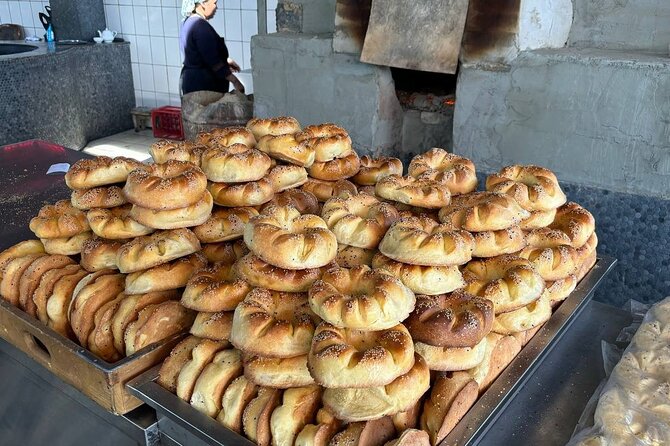
You might also see a lot of baked bread on display. Bread is one of those cultural anchors, it’s everywhere, and it carries that comforting, slightly smoky warmth that’s hard to describe until you taste it. If the tour includes bread-related hands-on moments at another stop, the bazaar helps you understand why those moments matter.
One practical caution: markets move fast, and you’ll likely be walking and standing for about an hour. Wear comfortable clothes, and plan to take it at an easy pace rather than trying to “power shop” your way through.
More of Tashkent worth pencilling in
- With John Private Tashkent city & Food tour
★ 5.0 · 13 reviews - Ten Bites Adventure Food Tour in Tashkent
★ 5.0 · 6 reviews - Food tour in Tashkent
★ 5.0 · 5 reviews - Tashkent Food and Metro Journey
★ 5.0 · 4 reviews
Besh Qozon Pilaf Center: Your Plov Benchmark in One Stop
Next comes the big pivot, the visit to Besh Qozon Pilaf Center. Plov is the signature dish of Uzbekistan, and the tour treats it like a lesson, not just another plate.
This stop is one of the most useful parts for first-time visitors. Why? Because plov is not one thing. It can vary by technique, balance of spices, and how the rice is cooked. When you taste plov in a place dedicated to it, you can set a benchmark for your own future ordering.
In a short tour, this is your chance to answer questions like:
- Is the rice fluffy and separated or heavier and sticky?
- Do you taste warm spice notes up front or later?
- Is the dish built around a deep savory base, or is it more about salt and fat?
If you’re comparing your favorites from earlier tastings, this is where your palate starts to rank. I also like that your guide should connect what you’re eating back to ingredients and tradition, so the flavors are not random.
A balanced expectation: not everyone loves plov in the same way. If you prefer milder flavors, you should still be able to find something enjoyable, because the guide can explain how spicing works and what to look for. Ask what parts of the dish are most important for the style they’re serving.
Hands-On Bread and Mini Cooking Moments (When Offered)
The tour may include hands-on activities such as a traditional bread-making demonstration or a mini cooking class. You should treat this as a bonus, not a guarantee, because short tours sometimes adjust based on schedule.
When these moments happen, they are worth paying attention to. Uzbek breads are not just side items. Bread is often the way you understand freshness and technique. Watching bread being made can also help you interpret why a dish tastes different when the dough and bake method change.
If you get a mini cooking class, your goal should be to learn the logic, not to memorize every step. Focus on the basic method and ingredient roles. Then, after the tour, you’ll have a clearer sense of what to look for if you try to cook Uzbek food at home.
Even without a formal class, the guide should talk through ingredients and how dishes are passed down. That kind of explanation makes the tastings feel intentional, not random.
Lunch and Pacing: Eating Enough Without Overstuffing
Lunch is included, which is a practical advantage in a tour that lasts just 4 hours. In many food experiences, you end up nibbling for hours and then realizing you skipped a real meal. Here, the design aims to keep you fed enough to enjoy the market and the final plov stop without feeling wiped out.
The pacing also matters. With two tasting blocks and two major guided highlights, your day has shape. You can follow what’s happening and avoid the fatigue that comes from nonstop eating without breaks.
My practical tip: drink water during transitions. Tastings can be salty and rich, especially around grilled meat and rice dishes. Pace yourself early so the bazaar and plov stop remain enjoyable, not a struggle.
Guide Style and Languages: What It Feels Like When You Get a Great One
This tour runs with a live guide in English and Russian, and the group is small enough for real conversation. The quality of a food tour often comes down to the guide’s ability to explain what you’re tasting in plain language.
One guide name you might see is Ibrahim. If Ibrahim is your guide, expect clear explanations about different foods and plenty of general context that helps you understand the dish beyond taste alone.
The upside is that a good guide can translate spice and ingredient clues into something you can recognize yourself. You’ll learn which elements define each dish and why certain flavors show up across Uzbek cuisine.
A fair consideration is that not every guide will focus equally on spices and detailed flavor mechanics. If that matters to you, ask direct questions when you taste, like what spices are most noticeable in this dish or how the cooking method changes the flavor. The best tours reward that curiosity.
Price and Value: Is $99 Worth a 4-Hour Food Crawl?
At $99 per person for 4 hours, the price is less about a single fancy meal and more about access, time, and structure. You get:
- Food tastings
- Lunch
- A local guide
- A comfort vehicle
- Pickup in Tashkent
- A small group limit to keep things manageable
When you add that up, you’re paying for the guide to steer you to good places and for transportation so you’re not spending your limited time navigating. You’re also paying for context, the “why” behind the food, which is often what makes a tasting tour worth it.
If you would normally spend money on individual meals and taxis while hunting for the right places, this can feel like a bargain. If you’re the type who dislikes sampling and prefers one long, sit-down dinner, you might feel underfed. In that case, compare what you want to eat versus what you want to learn.
For most first-time visitors, I think the value is strong because it compresses multiple Uzbek-food moments into a single guided session.
What to Bring and How to Survive a Food Tour Comfortably
Keep it simple. Wear comfortable clothes because you’ll be walking through market areas and moving between stops. Bring water if you tend to get thirsty quickly, and plan for a little standing.
You also want to be mindful of what you can and can’t eat. Alcohol and drugs are not allowed on the tour, so if you’re planning a party-style food day, this is not that format. It’s designed to be a straightforward food experience, focused on tasting and learning.
Also note the tour is not suitable for babies under 1 year. If you’re traveling with very young kids, you’ll need another plan.
Who Should Book This Tour (and Who Might Find It Frustrating)
This is a great fit if:
- You want a focused, short introduction to Uzbek cuisine
- You like learning from local guidance while you taste
- You’re visiting Tashkent and want to make the most of a half day
- You enjoy market energy, especially places like Chorsu Bazaar
It might be less ideal if:
- You want mostly family-run, deeply local spots at every single stop without any quick-service feel
- You prefer larger restaurant portions rather than tastings
- You dislike being rushed, even slightly, because the tour is only 4 hours
A good strategy is to go in with curiosity, not with fixed expectations. When you approach tastings as a way to learn flavors, the experience clicks.
Should You Book This Tashkent Food Tour?
I’d book it if you want an efficient, guided way to taste Uzbek classics and understand what makes plov and other dishes distinctive. The combination of Chorsu Bazaar, a dedicated pilaf-focused stop at Besh Qozon, and lunch included makes it a practical way to eat well and learn quickly.
Skip it only if you know you hate sampling formats or you need a long sit-down meal with no market time. If you’re flexible and you like asking questions while you eat, this tour is a solid value and a memorable way to experience Tashkent through food.
FAQ
How long is the Tashkent food tour?
The tour lasts 4 hours.
Is pickup included?
Yes, pickup is included in Tashkent. You should contact the provider and inform them of your pickup location.
What languages are available?
The live tour guide is available in English and Russian.
How big is the group?
It is a small group limited to 10 participants.
What is included in the price?
The tour includes food tastings, a local guide, a comfort vehicle, and lunch.
Is alcohol allowed during the tour?
No. Alcohol and drugs are not allowed.
What is the cancellation policy?
You can cancel up to 24 hours in advance for a full refund.
More Food in Tashkent
- Tashkent: 4 Hour Food Tour and Metro Journey with a Guide
★ 5.0 · 4 reviews - Master Class – Shivit Osh Traditional Food Of Khiva
★ 4.2 · 27 reviews - cooking traditional food in Samarkand with local people
★ 4.8 · 17 reviews
Latest reviews out of Tashkent
- Tashkent Mountain Tour Amirsoy with Transport★ 3.5 · 3 reviews
- Private Intercity Transfer Tashkent – Samarkand – Tashkent★ 3.5 · 3 reviews
- Amirsoy & Chimgan mountain tour from Tashkent★ 5.0 · 3 reviews
- Tashkent: 3-Day Horseback Riding Tour in Chimgan Mountains★ 4.4 · 3 reviews
- Private Tashkent City Tour★ 5.0 · 3 reviews
- Transfer Tashkent Airport / Railway Station – Hotel★ 3.5 · 3 reviews
- Heliocomplex “Institute of the Sun” – Remnants of USSR★ 5.0 · 3 reviews
- Tashkent One Day Tour★ 4.6 · 4 reviews
Tashkent Tours, compared.

Best of Tashkent Mountains: Amirsoy, Chimgan & Charvak Trip
Read our review →
Samarkand One Day Tour – Departure From Tashkent
Read our review →
2 Days Tour to Bukhara and Samarkand from Tashkent by train
Read our review →
Browse the lists this tour appears in