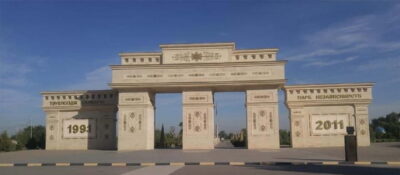
This is an appealing break because it swaps Samarkand’s big-ticket sights for a slower, quieter slice of rural Uzbekistan. You trade city time for mountain village rhythm, with Ukhum as your base and the Nurata region adding real nature flavor.
I especially like the chance to see how everyday life works, not just how it looks. Baking bread in a clay oven (tandyr), wandering stone-built houses, and even riding a donkey make it feel hands-on in a respectful way. I also love the late-day nature element, where the tour can bring you to see Seversov sheep and petroglyphs by trek or car transfer.
One possible drawback to plan for: the access route can be rough, dirt road and narrow in places, and you may have to walk a bit if the vehicle cannot go all the way. Water and shower timing in village lodging can also be limited, so it pays to set expectations before you go.
Key highlights worth your attention
- Ukhum village life on purpose, not just a quick photo stop
- Tandyr bread experience, including hands-on participation after breakfast
- Nurata Natural Reserve at dusk, with a chance to spot Seversov sheep and petroglyphs
- A real starry-sky night, thanks to electricity without city light pollution
- Majrum visit plus a massive ancient tree stop on the way back toward Samarkand
- Private, driver-led logistics, pickup included, with English and Russian support
Why Ukhum and Majrum feel different from the usual Uzbekistan route
This tour is built around a simple idea: you get out of the city bustle and into mountain villages where tourism has not taken over daily life. The program focuses on “spirit of the mountain villages,” and that shows up in the way your time is structured. You are not racing between landmarks. You are settling into a place, learning local routines, then using the Nurata reserve stops to add nature and history.
Ukhum is described as a quiet corner with houses made from flat stones built into steep walls, plus homes of smaller stones, rocks, and clay. That kind of village architecture matters because it shapes the experience. Narrow lanes, thick walls, and stone textures all make it feel like you are in a real living community, not a staged attraction.
Majrum adds a second angle. You get the sense of the mountain zone as a network of villages, and you end your trip with a nature-and-heritage touch: an ancient tree stop in the Nurata area.
Still shaping the Uzbekistan leg? These sit alongside it:
- Master Class – Uzbek Bread in Khiva
★ 4.4 · 125 reviews - Muynak Ship Cemetery Tour From Khiva
★ 3.7 · 26 reviews - Lost Paradise – Aral Sea Tour 2 days/1 night
★ 4.1 · 11 reviews
Day 1 from Samarkand to Ukhum: photo stops, stone houses, and calm air
You start with a pickup from your Samarkand hotel, railway station, or airport, then head toward Ukhum. The route is about 160 km, and the transfer time is listed as around 3 hours, give or take. The departure time can be changed by request, which is helpful if you want to align the tour with your flight or another plan in Samarkand.
On the way, you make several stops for photos. This sounds ordinary, but in practice it can be the best part of the drive, because it gives you context for what you are about to enter. Once you’re closer to the villages, the views and terrain begin to tell a story that you will later feel in Ukhum’s cooler, cleaner air.
Ukhum village is where the tour becomes genuinely different. You can visit stone houses at the village edges of steep walls and get acquainted with local life. The program also mentions the option to ride a donkey, which is one of those activities that can go either way on tourism ethics, so pay attention to how it is presented and ask questions if you want clarity on how it is managed locally. The overall tone here is connection with village life, not just a quick novelty ride.
Then comes the mood shift. The village has electricity, but it does not create the same glare you get in the city. That makes the night sky feel reachable, and the tour specifically points out how early morning air is fresh and pure. If you like mornings where you can actually breathe deeply and hear fewer sounds, this part is a big reason to go.
You also have lunch in the village and dinner in the village, plus the included night in the village. Meals are typically based on beef or lamb, with rice, wheat, or sorgo dough, and lots of vegetables. If you eat vegetarian, tell your operator ahead of time.
A practical note before you picture this as smooth sailing
One real-world friction point to keep in mind: the road approach can be dirt and narrow, and in a prior experience it was in poor condition enough that people had to get out and continue on foot for over an hour. That is not guaranteed for every trip, but it is believable enough that you should plan for a little roughness. Bring shoes you can walk in for a while, even if the tour’s main transfer time looks comfortable on paper.
Evening at Nurata Natural Reserve: wild sheep spotting and petroglyphs
After you settle into Ukhum, the tour moves into nature and heritage with an evening visit to a part of the Nurata Natural Reserve. This stop is called out as visiting the area of Hayat, where you can see wild sheeps, specifically Seversov sheep, and also visit petroglyphs.
The tour offers two ways to do this: a trek of about 6 km round trip from Ukhum, or an organized car transfer. That matters because it changes the shape of the evening. A trek gives you more time outdoors and more chances for bird spotting and photos. A car transfer can make sense if your legs are tired from the drive.
Petroglyphs are the kind of detail that can disappear if you rush. Here, because this is an evening program, the lighting and pace tend to be kinder for both photography and attention. It also adds a “why here” layer: you are not only looking at animals and rocks, you are reading the deep human presence in the same terrain.
For animal lovers, the Seversov sheep angle is the headline. You are not being promised a guaranteed wildlife spectacle, but the program is built around the chance to see them, and that alone is a good reason to include this reserve stop rather than skipping straight to the return drive.
An easier afternoon once Uzbekistan is done:
- Remnants Of USSR – Heliocomplex Institute Of The Sun & Sukok
★ 4.8 · 4 reviews
Day 2 in Ukhum and Majrum: tandyr participation, free time ideas, then a huge tree
Day 2 starts with breakfast in Ukhum. After that, you get another chance to join daily life. The tour specifically mentions participating in baking bread in clay ovens (tandyr). This is the part I’d personally prioritize if you’re choosing between village activities, because it turns a generic cultural stop into something physical.
You also get time for village exploration and optional activities. The program lists possibilities like hiking, bird watching, photo shoots, and ecological tours. The exact mix depends on your group, weather, and how the day feels, but the point is you have options. This is not a minute-by-minute factory tour.
Then you hit the road toward Majrum, with the tour including stops in the Nurata Natural Reserve area again. Majrum village is your “in-between” place on the way back to Samarkand, and it adds a second village atmosphere rather than making the return feel like a dead travel segment.
The standout stop here is the ancient tree described as having more than 20 meters of diameter. That is not a normal sight, and even if you are skeptical about the exact measurement, it still gives you a reason to stop because size like that changes how the whole area feels. It’s a great reset moment after village time: you are back in a big, natural scale.
Finally, you head back to Samarkand. The arrival option is flexible too, with transfer to your hotel, railway station, or airport.
Food, water, and the reality of no mobile or internet
The tour is intentionally off-grid. There is no mobile or internet connection in the villages, though the program says a telephone for local communication is available in some parts of the village. That means you should plan like you are traveling with patience. If you rely on constant messaging, think ahead and download what you need, then enjoy being disconnected.
On food, the program is clear: local cuisine usually centers on beef or lamb, along with rice, wheat, or sorgo dough, plus many vegetables. If you have preferences, tell the operator in advance. The tour does not describe special menus on-site, so giving them time is your best bet.
Now for the practical comfort category, the one detail that can make or break the experience: village lodging can have limitations. One documented experience noted that water in the rooms worked only during a window from 8 pm to 8 am, and that due to an escape, showers were not usable during those hours. That is a specific scenario, not a universal rule, but it is a smart reminder to ask before you arrive about water timing and shower availability. If you get told it is limited, you can plan your routine accordingly and avoid frustration.
Packing for this trip should match the mountain and reserve context:
- Protective hiking boots or sport shoes
- Long trousers
- Cap or hat, plus sunglasses
- A warm jacket in early spring or late autumn
The tour also states drinks in the vehicle are not allowed and food in the vehicle is not allowed. Bring yourself back to the idea of a village-day schedule, not a convenience store road trip. If you have questions about what you can carry personally, ask ahead of time.
The value of paying $180 for 2 days with a private driver
At $180 per person for 2 days, the value depends on what you care about. This is not a budget “ride and look” tour. It includes:
- A night in the village
- 1 breakfast, 1 lunch, 1 dinner
- A/C vehicle
- All fees and taxes
- Pickup included
- A private group
- A driver who speaks English and Russian
If you compare this to the cost of simply getting to rural areas independently, the included transport and guidance save time and stress. You also get structure for the reserve portion, including either a trek or a car transfer option, which is not something you want to improvise late in the day.
Where the value can dip is if you expect hotel-level comfort or perfectly smooth roads and constant water access. The trip is designed for the mountain villages, and the village reality sometimes includes rough edges. If you treat that as part of the deal, it feels fair. If you treat it as a problem to solve, it can feel frustrating fast.
The private-group setup is also a quiet benefit. Your pace can be slower. You can ask questions about village life while you’re there, and the day does not feel like it belongs to whoever can run hardest from stop to stop.
Who should book this Ukhum village tour
I think this tour suits you best if you want:
- Authentic village time, not just landmark photos
- Mountain air, cooler evenings, and a night sky you can actually see
- Nature and heritage in the same package, with reserve wildlife and petroglyphs
- A small, private format where the day can breathe
It may not be your best fit if:
- You need reliable, continuous shower and water access at any hour
- You dislike road travel on rough dirt segments and unpredictable comfort conditions
- You want constant phone connectivity (the tour is clear that you should expect none)
A helpful mindset here is to treat the program as a cultural and nature visit first, comfort second. That’s how you get the most out of the parts that people tend to remember: the quiet, the animals, and the sense of stepping into a place that is still itself.
Should you book Undiscovered Uzbekistan: Ukhum Village Tour?
If you’re the type who loves rural travel, village interactions, and reserve walks, I’d lean yes. The itinerary is built around exactly the things you cannot easily DIY from Samarkand: the village lodging, the structured Nurata reserve visit, and the tandyr bread participation.
Just go in prepared. Wear proper shoes. Accept that the approach road may not be perfect. And if water and showers are important to you, ask the operator what to expect for your specific lodging timing.
If you want a two-day reset from city life without turning it into a theme park, Ukhum and Majrum are a strong choice.
FAQ
How long is the Ukhum Village Tour from Samarkand?
The tour lasts 2 days, with 1 night in the village.
What is the price per person?
The price is $180 per person.
Where does the tour take place?
It is in Tashkent Province, Uzbekistan, focused on Ukhum, Majrum, and the Nurata Natural Reserve area.
Where do I start and where will I be dropped off?
You depart from Samarkand (pickup included from your hotel, railway station, or airport) and return to Samarkand (hotel, railway station, or airport).
What language is the driver?
The driver speaks English and Russian.
What meals are included?
The tour includes 1 breakfast, 1 lunch, and 1 dinner.
Is the accommodation included?
Yes, the price includes 1 night in the village.
Will I have mobile or internet connection?
No mobile or internet connection is expected. A telephone for local communication is available in some parts of the village.
What should I bring for this tour?
Bring comfortable shoes (protective hiking boots or sport shoes), comfortable clothes, long trousers, a cap or hat, and sunglasses. A warm jacket is needed in early spring and late autumn.
Are drinks or food allowed in the vehicle?
No. Drinks in the vehicle and food in the vehicle are not allowed.
Can I cancel for a refund?
Yes, free cancellation is available up to 24 hours in advance for a full refund.
Latest reviews out of Uzbekistan
- Remnants Of USSR – Heliocomplex Institute Of The Sun & Sukok★ 4.8 · 4 reviews
- Lost Paradise – Aral Sea Tour 2 days/1 night★ 4.1 · 11 reviews
- Muynak Ship Cemetery Tour From Khiva★ 3.7 · 26 reviews
- Master Class – Uzbek Bread in Khiva★ 4.4 · 125 reviews
Tours, compared.
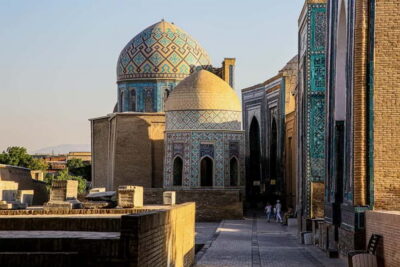
Samarkand: Historical Monuments Guided Walking Tour
Read our review →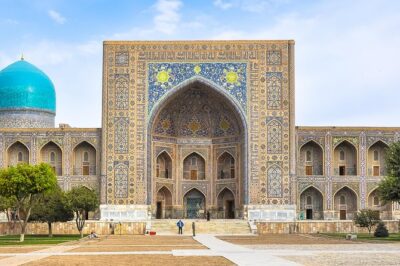
Samarkand One Day Tour – Departure From Tashkent
Read our review →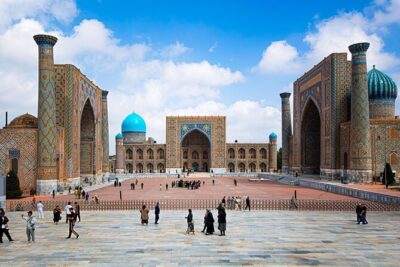
Private Samarkand City Tour With Transportation
Read our review →
A City Tour Of Samarkand: The Pearl Of The East
Read our review →
Full Day Private Tour in Seven Lakes from Samarkand
Read our review →
Samarkand One Day Tour: one day walking & group tour
Read our review →