
Bukhara feels like a city built to teach. In just 4 hours, this walking tour strings together mosques, madrasahs, courtyards, and the royal fortress so you see how power and faith shaped daily life. I especially like the stop at Magoki Attori, a partly sunken mosque that lets you literally picture layer upon layer of belief.
Two things I love about this experience are the tight route and the clear guide storytelling. The walk moves from the Lyabi Khause pond ensemble into the big-ticket architecture of the Kalyan complex, so you get the “why” behind the blue domes, tilework, and monumental scale. And because the tour is offered with English, Uzbek, or Russian, you can usually follow along without guesswork.
One consideration: entrance tickets are not included, and you’ll cover a fair amount of walking. If you’re aiming for a totally ticket-free day or you hate crowds plus pavement, plan ahead and pack comfortable shoes.
Key Highlights You Should Aim For

- Lyabi Khause pond ensemble, a 17th-century meeting place with photo-perfect surroundings
- Khanaka Nodir Devonbegi, a Sufi lodge known for its intricate tilework and grand façade
- Miri Arab Madrasah, still functioning, with iconic blue domes and carved mosaic details
- Magoki Attori Mosque, partly sunken and famous for revealing earlier layers beneath
- Kalyan Minaret and Mosque, the city’s spiritual centerpiece (including the Tower of Death nickname)
- Ark of Bukhara, the fortress that once housed emirs, with a royal-court feel and museum spaces
Starting at the Khodja Nasreddin Statue, Then Letting the City Form a Story

This tour begins near the Khodja Nasreddin statue. It’s an easy anchor point to find, and it helps that the company contacts you the day before with details. I also like the simple rule to arrive about 5 minutes early, since you don’t want to waste your first photos standing around.
Right away, you’re in the part of Bukhara where architecture isn’t just decoration, it’s information. From this opening moment, the guide can start stitching together how Islamic institutions, Sufi traditions, and political power all sat close to each other in the old city.
If you’re thinking about comfort and flow, do yourself a favor and show up dressed for walking. The route is timed in blocks, but the pace depends on your group size and how many questions people ask.
More City Tours in Samarkand
- Samarkand: Historical City Highlights Guided Walking Tour
★ 4.8 · 153 reviews - Private Samarkand City Tour With Transportation
★ 5.0 · 149 reviews - A City Tour Of Samarkand: The Pearl Of The East
★ 5.0 · 133 reviews
Lyabi Khause Pond: Where Old Bukhara Still Meets the Day

The first major stop centers on the Lyabi Khause Ensemble around a pond. It’s a 17th-century gathering place, and that matters more than you might expect. A lot of historic sites in big cities feel like they survived, but here the place still functions as a social spot.
You’ll get a photo stop and then a guided visit, around 40 minutes. The ensemble framing is the payoff: madrasahs sit around the water, and the pond gives you a natural “stage” for watching how the buildings relate to people. Even if you only know a little history, your eyes start doing the learning.
Practical tip: bring your camera for reflections and symmetry shots, but also look away from the lens. Standing here with the guide pointing out details is where the city starts to feel less like monuments and more like a lived-in setting.
Khanaka Nodir Devonbegi: Sufi Space, Stunning Tilework, and an Architectural Mood

Next comes the Khanaka Nodir Devonbegi, with a shorter photo stop and a guided walkthrough. This building is known as a Sufi lodge, originally intended for spiritual retreats, and today people still admire it for its façade and tilework.
What I like about this stop is the change in mood. If the earlier area feels like a civic anchor, this one leans more inward and ceremonial. You start noticing patterns, color planning, and the way carved and tiled surfaces help guide your eye upward.
Since entrance tickets are not included, this is also a good moment to understand what’s “outside view” versus what might require paying at the door at specific sites. If you end up buying tickets later, you’ll already know how the tour expects you to handle them.
Miri Arab Madrasah: A Famous School That’s Still Doing Its Job

The tour then shifts to the Miri Arab Madrasah, one of the best-known religious schools in the Islamic world. It dates to the 16th century and it’s still functioning, which adds a real-world element.
You’ll have a guided visit and time to see key architectural features, including the striking blue domes and finely worked mosaics and carvings. This is the kind of place where photos help, but paying attention to scale and ornament helps more. The building is meant to impress, and it’s built to do it without being “loud.”
A good guide makes this stop click fast. The guides associated with this route often bring a knack for answering follow-up questions and connecting the architecture to religious scholarship. I’d plan to ask at least one question here, because this is where the city’s spiritual education model becomes visible.
More Walking Tours in Samarkand
- Samarkand: Historical Monuments Guided Walking Tour
★ 4.8 · 446 reviews - Samarkand One Day Tour: one day walking & group tour
★ 4.4 · 87 reviews - Tashkent: Historical City Highlights Guided Walking Tour
★ 4.8 · 71 reviews - Samarkand Walking Tour
★ 4.2 · 45 reviews
Magoki Attori Mosque: The Partly Sunken View That Makes Time Real

After the madrasah, you’ll reach the Magoki Attori Mosque, famous as one of the oldest surviving mosques in Central Asia. The standout feature is that it is partly sunken, which reveals layers of history beneath the current structure.
The guide explains how earlier religious presence may have existed before the early Islamic construction. Even if you only take in the core idea, you’ll feel the uniqueness right away: you’re not just looking at old buildings, you’re looking at how older floors and foundations can remain.
This stop gets about 30 minutes, including guided sightseeing and time for viewing. If you’re the type who enjoys “how they built it” details, this is one of the best points on the route.
Practical note: because it’s sunken, watch your footing and keep an eye on where you stand when taking photos. Old steps and uneven edges can be the difference between a great shot and a minor stumble.
Kalyan Complex: The Tower of Death, the Massive Mosque, and One Big Urban Center

Now you hit the Kalyan complex, the spiritual centerpiece of the city. The route includes the Kalyan Minaret (nicknamed the Tower of Death), then the Kalyan Mosque and close-by ensemble elements tied in with the madrasah.
You’ll see this area in separate segments, with photo stops and guided time at each. Even if you’ve seen minarets in other places, the sheer presence of Kalyan makes it feel like a true city center, not just a landmark. The minaret’s vertical emphasis is clear, and the surrounding buildings make you understand how one symbol could dominate a whole urban identity.
One thing I really like here is how the guide’s pacing matters. The best walkthroughs don’t rush the scale. You need those quiet few moments where your brain stops scanning for details and just absorbs the composition.
Ark of Bukhara: Royal Power Inside Thick Walls

Finally, the tour heads to the Ark of Bukhara, a massive royal fortress and former residence of Bukhara’s emirs. This stop is longer, about an hour of visit and guided time with walking inside.
This is where the city’s “who ruled” story becomes tangible. Inside thick walls, you’ll see spaces connected to political power and court life, including the royal court and throne room areas, plus historic museum spaces that help explain the fortress in context.
What makes this stop feel rewarding is that it balances what came before. You’ve seen religious schools and mosques built to shape belief. Now you see the structures built to shape authority. Put together, it helps you understand Bukhara as more than one theme, it’s a system.
If you’re short on museum time in other parts of your trip, this is one of the best places to get museum-style context without turning the day into a full-day ticket marathon.
How the 4-Hour Schedule Actually Feels (and How to Keep It Enjoyable)

The pacing is built in blocks: roughly 20 to 40 minutes per main stop, plus walking time between them. In practice, it often feels like a highlight sampler done with enough guided time to matter.
Where this tour shines is flexibility in the human details. In guide feedback I’ve seen patterns like: guides keep a friendly pace, don’t rush people, and make room for questions. Some guides also handle timing well when they have other commitments later in the day, which means you’re less likely to feel like the guide is counting down.
For your comfort:
- Wear comfortable shoes. You’re on foot for most of the 4 hours.
- Bring a camera, since you’ll be doing multiple photo stops.
- Dress for weather, because Central Asia sun can change how you feel even in an afternoon.
- Plan for personal expenses and tips with local currency.
If you’re traveling solo or in a small group, you may get more conversation time at each site. Guides on this route have been praised for being approachable and for tailoring the pace when the group is small.
Price and Value: $19 Works Best When You Don’t Overpay for Time

At $19 per person for 4 hours, this tour is priced like a practical way to get value out of Bukhara’s old city highlights. The big point: the tour includes a professional guide and all taxes, but it doesn’t include entrance tickets.
So your true total depends on what entrances you end up needing for the day. Still, the guide time is the core value here. You’re paying for an efficient route plus interpretation, not just standing near buildings.
If you want to do the old city “by yourself,” you can. But you’d be spending your mental energy on figuring out what you’re looking at. Here, you can focus on seeing, asking, and learning while the guide keeps the route logical.
The Guides: Why English, Humor, and Q&A Matter on a Walking Tour
A walking tour lives or dies by the guide. This one has strong feedback for guides who bring clear explanations, good English, and an ability to keep the walk interesting from stop to stop.
Names that show up in positive guide experiences include Ruby, Dildora, Makhbuba, Hulkar, Aziza, Shahnoza, Mexrisha, and Niso. Common praise points:
- Strong communication and clear explanations
- A lively, positive approach and good humor
- Willingness to answer history questions, and sometimes to admit when something isn’t known
- Help with practical sightseeing and suggestions
- Photo-friendly energy, including helping people capture better shots
If you book with a guide who speaks your language well, you’ll get more from details like the “why” behind madrasah design or the significance of a partly sunken mosque. This is exactly the kind of tour where language quality changes the whole day.
Who Should Book This Tour (and Who Might Want a Different Style)
This tour fits best if you:
- Have only a half day in Bukhara and want major landmarks efficiently
- Care about Islamic architecture and how institutions connect to power and belief
- Prefer guided context over wandering through monuments with no plan
- Like photography, because you get multiple photo stops with built-in viewing time
You might want to reconsider if you:
- Have limited mobility or dislike long walking days
- Want a slow, unstructured museum-style trip rather than a city highlight route
- Are determined to visit only places where you already know you won’t need separate entrance tickets
Should You Book This Bukhara Historical City Highlights Tour?
I think you should book it if you want a smart, guided route through Bukhara’s best-known Islamic sites in one smooth 4-hour block. Kalyan, Magoki Attori, and Ark of Bukhara are the kind of stops where a guide turns photos into understanding. At $19, the price feels fair as long as you remember entrance tickets are separate.
If you’re the type who likes asking questions and getting real answers, this tour style is a good match. Just come with good shoes, a camera, and a little curiosity, and you’ll leave with a clearer picture of how Bukhara worked as a city of faith and power.
FAQ
Where is the meeting point for the Bukhara walking tour?
The guide will wait near the Khodja Nasreddin statue.
How long is the guided walking tour?
The duration is 4 hours.
How much does the tour cost?
The price is $19 per person.
What is included in the price?
The tour includes a professional guide and all taxes.
Are entrance tickets included?
No, entrance tickets are not included.
What languages are available for the live guide?
The live guide is available in English, Uzbek, and Russian.
Can I cancel and get a full refund?
Yes, you can cancel up to 24 hours in advance for a full refund.
What should I wear or bring?
Wear comfortable shoes, bring a camera, check the weather forecast, and bring local currency for personal expenses and tips.
More Historical Tours in Samarkand
- Samarkand: Historical Monuments Group Walking Tour
★ 5.0 · 29 reviews - Private Guided Tour Samarkand city history and culture
★ 5.0 · 22 reviews - Samarkand Historical City Highlights Guided Walking Tour
★ 5.0 · 22 reviews - Samarkand Walking Tour History Culture and Hidden Gems
★ 5.0 · 9 reviews
Latest reviews out of Samarkand
- Ancient and Modern tour in Samarkand with Transport★ 5.0 · 3 reviews
- Penjikent Day Trip From Samarkand★ 5.0 · 3 reviews
- Explore Samarkand Guided Tour with Transfers★ 5.0 · 3 reviews
- Samarkand Capital of Amir Timur Private Tour with Transport★ 5.0 · 3 reviews
- Amankutan Trek One Day Tour From Samarkand★ 3.9 · 3 reviews
- Seven Lakes Panjakent: One-Day Adventure from Samarkand★ 5.0 · 3 reviews
- Samarkand: Private Guided Tour with a Local★ 5.0 · 4 reviews
- Samarkand City Tour★ 5.0 · 4 reviews
Samarkand Tours, compared.
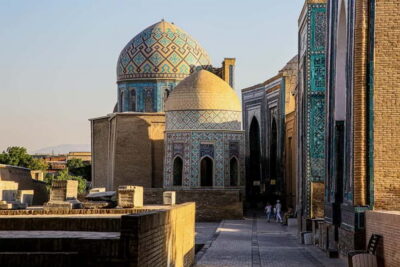
Samarkand: Historical Monuments Guided Walking Tour
Read our review →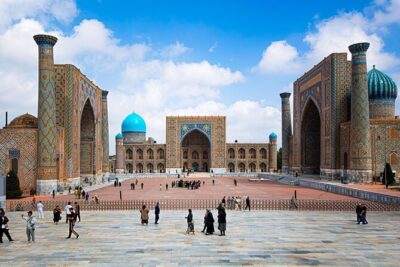
Private Samarkand City Tour With Transportation
Read our review →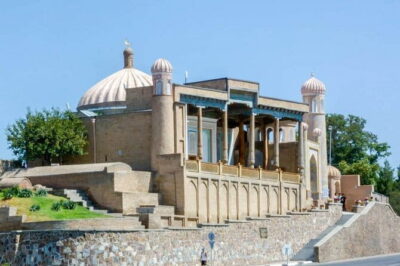
A City Tour Of Samarkand: The Pearl Of The East
Read our review →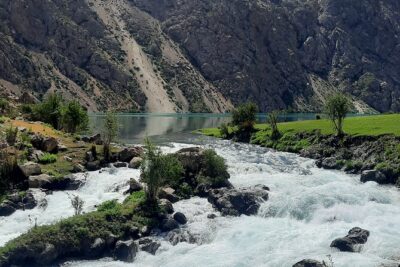
Full Day Private Tour in Seven Lakes from Samarkand
Read our review →
Samarkand One Day Tour: one day walking & group tour
Read our review →
Samarkand: Shahrisabz Day Trip with Optional Local Guide
Read our review →
Browse the lists this tour appears in