
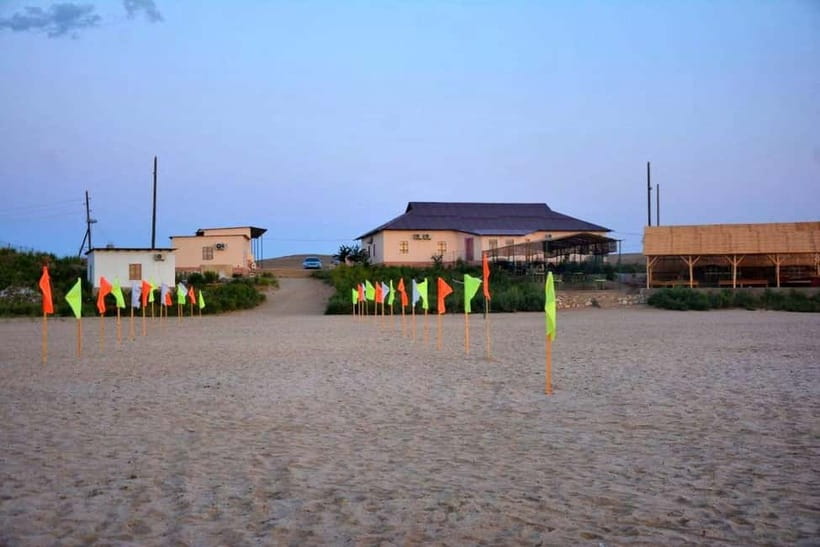
Reviewed · YURT CAMP STAYS
Adventure to Desert Kyzyl Kum and Yurt Camp
A night in the Kyzyl Kum desert in a yurt is interesting because you get that true star-sky feel, plus you still stop for real historic landmarks along the way. I like the chance to sleep in a traditional yurt, and I also like how the route threads in Nurata sights, including Alexander the Great’s fortress ruins.
That said, this kind of trip runs on logistics and people, not luxury. One possible drawback is the comfort level at the camp can be unpredictable in cold weather, and because a guide is not included, communication can depend heavily on your driver’s language skills.
Key highlights you’ll actually care about
- Overnight yurt night: Simple shelter, real desert atmosphere, and a sky you remember.
- Nurata stops that aren’t just drive-bys: Alexander-era fortress ruins plus an ancient irrigation system.
- Aydar Lake time with a hike: You walk to meet fishermen and you get a picnic lunch most of the year.
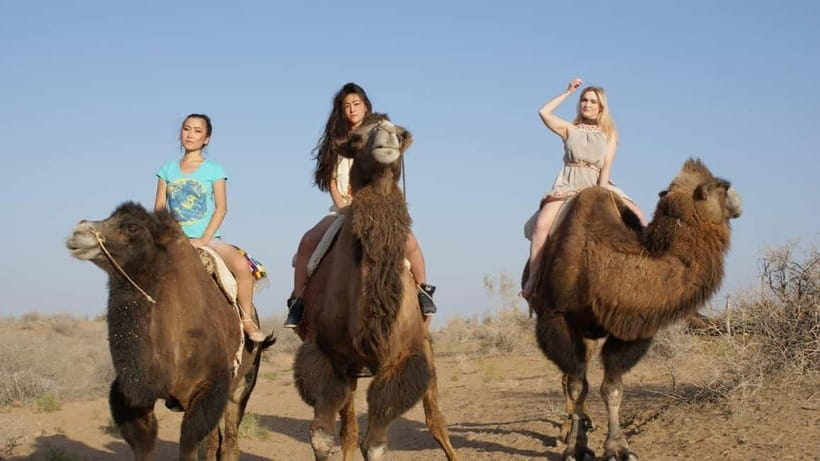
- Optional camel ride: Often brief, so treat it like a short add-on, not the main event.
- Khartang and Ismail Al-Boukhari: A meaningful religious-memorial complex before you finish in Samarkand or Bukhara.
Why Kyzyl Kum and a Yurt Camp feels different from a day trip
This is a two-day push into the Desert Kyzyl Kum that actually changes the rhythm of your trip. In Samarkand, you move through monuments and museums with clear schedules. Out here, you move at road-trip speed, you wait a bit for the day to turn, and then night hits fast.
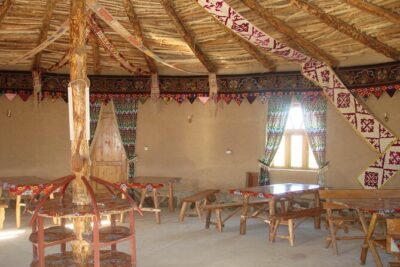
Sleeping in a yurt is the big emotional payoff. It is not a hotel room, and that is the point. If you like adventures that test your flexibility, you’ll probably find the experience satisfying. If you want predictable comfort and steady English explanations, you may feel the gaps.
The trade-off is worth understanding up front. The best parts here tend to be the moments: the desert quiet, the campfire dinner feeling, the walk near Aydar Lake, and the sense of being far from the usual pace.
Other nights under a yurt roof:
- From Bukhara: 2-Day Desert Yurt Camp Tour
★ 4.5 · 57 reviews
Getting there from Samarkand or Bukhara, private and pickup-based
The route is built around a simple plan: you get picked up from your hotel in Samarkand or Bukhara, and you finish in one of those cities too. That makes a real difference. You are not stuck navigating local transport on your own, and you do not waste a day just getting out of the city.
This is a private group format, which is great if you want control over timing and less waiting around with strangers. It also means the experience depends on your specific driver. In one case, the driver Xamza was described as professional and the tour felt well run. In another case, the driver did not speak English, and that made the stops feel confusing because there was no guiding narration.
So, the practical takeaway is simple: confirm expectations early. If you care about explanations, ask what kind of language support you will get, and consider downloading offline translations before you go.
Day 1: Nurata’s Alexander-era ruins, irrigation, and the push toward Yanghi-Gazgan
On day one, you leave Samarkand and head east toward Nurata, an old oasis area that feels like a change in texture even before you reach the sights. The stop is not just a quick photo break. You go to Alexander the Great’s fortress ruins, and you also see the ancient irrigation system, which helps you understand how desert life was made possible here in the first place.
You also visit the Cahshma Mosque area. One key detail: entry or admission for Chashma is not included, so if you want to go inside, you may need to pay separately on-site. If you are traveling in a group where people are unsure about whether to pay, it can slow things down, so it helps to bring a little cash.
Then you drive onward to the yurt camp area near Yanghi-Gazgan for your overnight stay. The drive is part of the experience, but it also means the day can feel long. The best approach is to treat day one as your travel-and-setup day: arrive, eat, and get ready for desert night.
The yurt camp reality: warmth, meals, and the starry-sky payoff
The core included experience is straightforward: one night in a yurt plus meals. You get breakfast and dinner, and lunch is provided twice across the two days. Food quality varies by camp and season, but the meals are generally described as good, and the camp itself has earned compliments for cleanliness and hospitality.
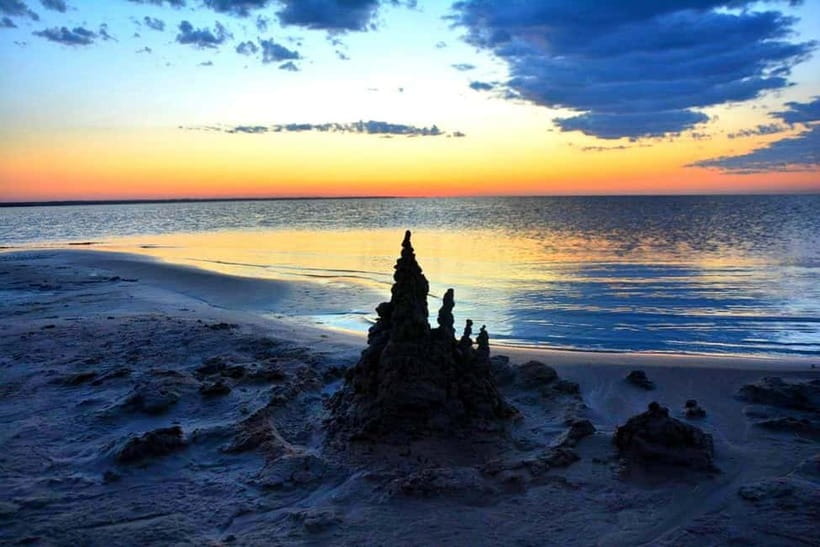
Campfires are part of the evening mood, and the night sky is the moment people remember. One solo traveler especially loved the time to rest, the chance to swim, and the starry sky from the camp at night. That is where the value of staying overnight really clicks.
Now the part you should plan for, not ignore: winter cold can be intense. One booking reported temperatures around zero degrees inside the yurt, and they also experienced issues with water and electricity later in the evening. You cannot assume that will happen, but you also should not assume everything will be fully comfortable.
My practical advice:
- Bring warm layers even if daytime feels mild.
- Pack like you expect cold inside the yurt.
- If you get cold easily, consider a thicker sleeping layer in your bag.
- Assume power and water might be limited depending on the season.
Day 2 at Aydar Lake: fishermen walk, picnic lunch, and a swim if conditions allow
After breakfast, day two shifts from archaeology and desert roads to Aydar Lake. You get a chance for a camel ride, but treat it as short and optional. One participant described a ride of about 10 minutes, which fits the idea that it is an add-on rather than a long activity block.
Then you drive to the lake area and take a hike that includes time to meet fishermen. That part is valuable because you are not only looking at scenery. You are getting a closer look at how people live around the lake.
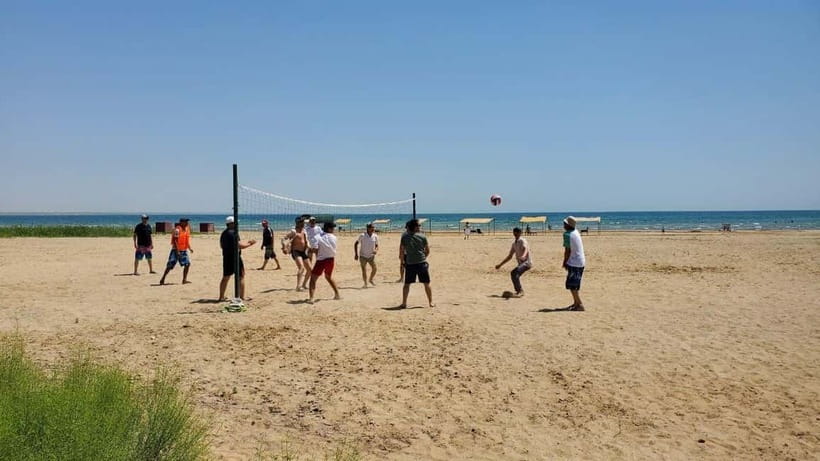
You also get a picnic lunch and, depending on conditions, you may have the chance to swim. This is where the day feels playful, but also time-sensitive, since road travel and changing weather can affect how long you have.
Important seasonal note: during November and December, the picnic lunch at Aydar Lake is not included because the restaurant is closed. You still go to Aydar Lake to see it, but you should expect to handle lunch differently in those months.
Khartang and Ismail Al-Boukhari before you return to Samarkand or Bukhara
On the way back, the route includes a stop in Khartang where you visit the monument complex connected to Ismail Al-Boukhari, a great Islamic scholar known for compiling Hadith. This is a calmer, reflective segment compared with the desert driving.
From a travel perspective, it matters because it adds meaning to the trip. You are not only chasing dramatic scenery. You are also connecting what you saw on day one, Nurata and ancient infrastructure, to a different kind of “heritage stopping point” on day two.
Then you arrive back in Samarkand or Bukhara, depending on what you chose. That flexibility is practical. If you are already planning a city stay in either place, this reduces backtracking.
Price and value at about $230 per person, what you’re really paying for
At $230 per person for two days, the value depends on what you expect to receive.
Here is what you do get:
- Transport along the route (Samarkand to Nurata, then to the yurt camp, then onward to Bukhara or back to Samarkand)
- One-night yurt accommodation
- Meals: breakfast, dinner, and two lunches
- Entrance tickets for Nurata city
Here is what you do not get:
- A guide (the listing does not include a guide)
- Alcoholic beverages
- Chashma entry or admission
- Tips for the driver
So, you are largely paying for the transportation, the overnight stay, and the included meals. If you also want history explained in detail, you may need to supplement with your own research or rely on your driver to fill the gaps. The experience is still worthwhile if you like learning through observation, but it changes what you should expect from the human side of the trip.
Some people feel it is overpriced if they compare it to hiring a driver separately and booking a yurt stay on their own. Other people love the full package because it removes planning work. The honest middle ground is this: if you can handle basic communication and you like “do the sights, then the night happens” travel, the package can feel fair. If you need a structured guide experience, you may feel under-delivered for the price.
Comfort checklist: what to pack for a desert yurt night
Because this trip can swing from warm desert roads to very cold night air, pack for temperature, not just the destination on a map.
Bring:
- Passport (required)
- Warm layers for evenings and early morning
- A warm sleeping layer if you run cold
- Something for Aydar Lake time, if you plan to swim
Also consider:
- A small cash buffer for separate site entry fees like Chashma admission.
- Extra water habits. If you are sensitive to hydration, bring your own refillable bottle.
One very practical note from real experience: at least once, the camp had issues with water or electricity at night. That does not mean it will happen to you, but it is smart to treat the camp as a functional outdoor place, not a hotel with guaranteed amenities.
Language and guide situation: how to make it painless
A guide is not included, so your driver is often the main information source. That is fine if your driver speaks your language. It gets hard when they do not.
In one booking, the driver had no English, and the lack of explanation made stops feel abrupt. In another, the driver Hasan was praised as kind, which improved the whole tone of the trip. Xamza was also described as professional.
So, if you want the experience to feel smooth, do two things:
- Go in with a simple plan for translations: offline maps, offline phrase help, and clear questions.
- Set your own expectations about how much commentary you will receive. You can still enjoy the sites, but you may have to accept that the desert itself does a lot of the talking.
The providers also show responsiveness when things are going wrong, and that matters. If you do run into confusion, you are more likely to get a fix than with a purely informal operation.
Who should book this trip, and who should think twice
This works best for:
- People who want an overnight yurt experience, not just a day stop.
- Solo travelers and couples who enjoy open time and flexible pacing.
- Anyone okay with basic explanations and doing some of the learning on your own.
- Travelers who care about a starry night and a simple camp atmosphere, especially if you like resting and unplugging.
This might feel frustrating if:
- You want a fluent English-speaking guide and detailed historical narration.
- You are very sensitive to cold or you assume the camp will have hotel-like power and water.
- You expect a long camel ride or a packed schedule of activities at fixed times.
The trip has a rating of 3.7 out of 5, and the pattern is clear: the strongest moments are the yurt night and the overall adventure feeling, while weaker moments often relate to communication and comfort expectations.
Should you book this Desert Kyzyl Kum and Yurt Camp tour?
If your dream is to leave Samarkand and actually sleep under desert stars, this is a solid choice. The package includes transport, a real yurt night, and meals, and it adds variety with Nurata ruins plus Aydar Lake time with a hike.
I’d book it if you:
- Can handle limited English narration and prefer guided silence plus your own curiosity.
- Want the practical convenience of pickup and a round-trip finish in Samarkand or Bukhara.
- Are traveling in a month that fits your comfort level, and you pack for cold nights.
I would think twice if you:
- Need a guide to explain everything.
- Travel in November or December and really want a fully included picnic lunch at the lake.
- Are counting on stable electricity or warm indoor comfort at the yurt camp.
If you match the trip’s style, it can feel like a memorable, no-nonsense desert weekend. If you expect luxury or a detailed guided program, you might come away wishing it were organized differently.
FAQ
Where can pickup and drop-off happen?
You can choose pickup from a hotel in Samarkand or Bukhara, and you will be dropped off in Samarkand or Bukhara as well.
What’s included in the price?
The package includes one night in a yurt, entrance tickets to Nurata city, meals (breakfast, dinner, and two lunches), and transport along the route.
Do I get a guide included?
No. A guide is not included in what’s provided.
Which meals are included across the 2 days?
You’ll have breakfast and dinner, plus two lunches during the trip.
Is the Cahshma Mosque included, and do I pay entry separately?
Cahshma is part of the visit, but entry or admission for Chashma is not included, so you may need to pay separately if you want to enter.
Is the picnic lunch at Aydar Lake included in every month?
In general, you have lunch time at Aydar Lake, but during November and December the picnic lunch is not included because the restaurant will be closed. You can still visit and see Aydar Lake.
What do I need to bring?
You need to bring your passport.
Latest reviews out of Navoi
- Kyzylkum Desert tour from Samarkand (1Night 2 Days)★ 4.3 · 7 reviews
Yurt Camp Stays, compared.
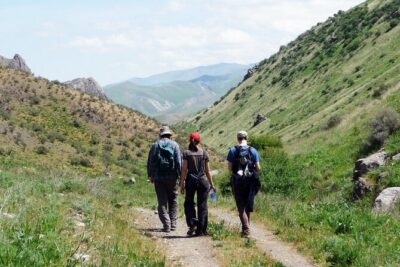
Yurt stay and Hiking in the Nurata Mountains tour – 2 days
Read our review →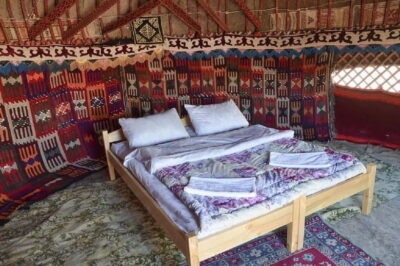
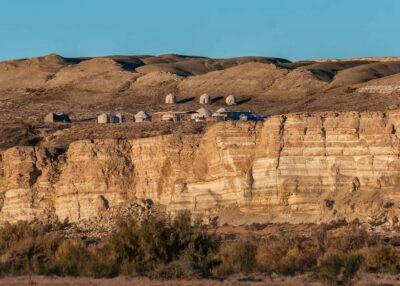
From Khiva To Aral Sea 2-Days One Night In Yurt Stay
Read our review →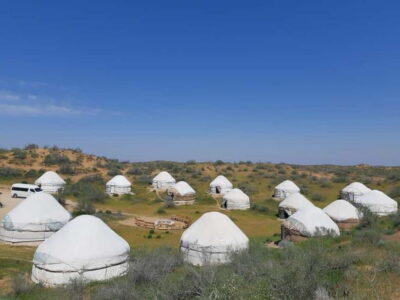
Desert Adventure from Samarkand: Yurt Camp & Aydarkul Escape
Read our review →
Browse the lists this tour appears in